























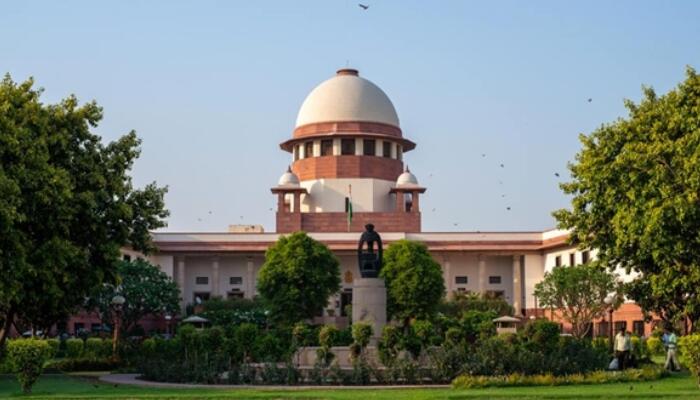
In a judgment with major political and constitutional implications, the Supreme Court upheld the legality of the Special Intensive Revision (SIR) of electoral rolls in Bihar. The ruling firmly backed the powers of the Election Commission and dealt a major blow to Opposition parties that had campaigned aggressively against the exercise.
The verdict came from a Bench comprising Surya Kant and Joymalya Bagchi. The Court held that the Election Commission acted within its constitutional and statutory authority while conducting the revision process.
The Bench observed that there was “no flaw” in the SIR exercise. It said the process strengthened free and fair elections by improving the integrity and credibility of electoral rolls.
The apex court also rejected the Opposition’s central argument that the exercise amounted to an undeclared National Register of Citizens conducted through the backdoor. The judges clarified that the Election Commission was not deciding citizenship. Instead, it was examining whether a person fulfilled the legal conditions required for inclusion in electoral rolls.
The Court stated that citizenship issues remain under the jurisdiction of authorities functioning under the Citizenship Act, including the Ministry of Home Affairs and Foreigners Tribunals. The Election Commission, it said, could only refer doubtful cases to competent authorities and had no power to either grant or revoke citizenship.
That finding effectively dismantled the Opposition’s principal political argument against the SIR process.
Opposition’s Political Campaign Around SIR
The ruling follows months of intense political confrontation over the Bihar exercise. Rahul Gandhi repeatedly raised the issue during public campaigns and accused the Election Commission of attempting large-scale disenfranchisement. Opposition parties amplified slogans around “vote theft” and institutional bias while trying to turn the electoral revision exercise into a nationwide political issue.
Several petitioners and Opposition leaders argued that the SIR resembled an NRC-style verification mechanism. They also claimed that the Election Commission had exceeded its constitutional mandate.
In West Bengal, Chief Minister Mamata Banerjee openly called for protests against the exercise. Demonstrations intensified across the State, and judicial officials reportedly faced protests and gheraos linked to the controversy. Mamata Banerjee maintained her opposition despite growing criticism.
The issue widened after the Election Commission announced plans to conduct similar SIR exercises in poll-bound States including Assam, West Bengal and Tamil Nadu.
What began as a voter roll revision exercise in Bihar gradually turned into a broader political attack on the Election Commission itself.
Chief Election Commissioner Gyanesh Kumar became a direct target of Opposition criticism. Parties even moved an impeachment motion against him, an escalation many constitutional observers described as unprecedented in India’s electoral history.
Supreme Court Strongly Backs EC’s Powers
The Supreme Court rejected the legal challenge to the exercise in unequivocal terms.
Petitioners had argued that the Election Commission lacked authority under Article 326 of the Constitution, the Representation of the People Act, 1950, and related electoral rules to conduct such an extensive revision exercise. The Court dismissed those arguments entirely.
The Bench held that Article 324 of the Constitution, read with the Representation of the People Act and the Registration of Electors Rules, fully empowered the Election Commission to undertake Special Intensive Revision exercises whenever necessary.
The Court also observed that the SIR process could not be invalidated merely because it did not mirror every procedural feature associated with routine electoral revisions.
Accepting the Election Commission’s reasoning, the judges noted that decades had passed since the last intensive revision. They also pointed to migration, demographic shifts, urbanisation and possible duplication of entries as legitimate grounds for a fresh verification exercise.
The Court further rejected claims that the process reversed the presumption of citizenship. Seeking supporting documents from electors, the Bench said, was only a procedural mechanism intended to maintain the accuracy and credibility of electoral rolls.
The judgment noted that safeguards existed throughout the process. Authorities issued notices before deleting names, gave voters opportunities to respond and kept the exercise open to judicial scrutiny.
The Court also upheld the Election Commission’s authority to determine acceptable documents during verification, including the later inclusion of Aadhaar following judicial intervention during earlier hearings.
Verdict Carries Wider Political Implications
Beyond Bihar, the verdict is expected to shape future electoral roll revision exercises across the country, particularly ahead of Assembly elections in several States where voter verification is likely to become a politically sensitive issue.
More importantly, the ruling significantly strengthens the institutional position of the Election Commission at a time when the poll body has faced sustained political attacks from Opposition parties after repeated electoral defeats.
After months of alleging institutional bias and conspiracy, the Opposition now faces a clear judicial endorsement of the Election Commission’s constitutional authority and its power to conduct electoral verification exercises.