





















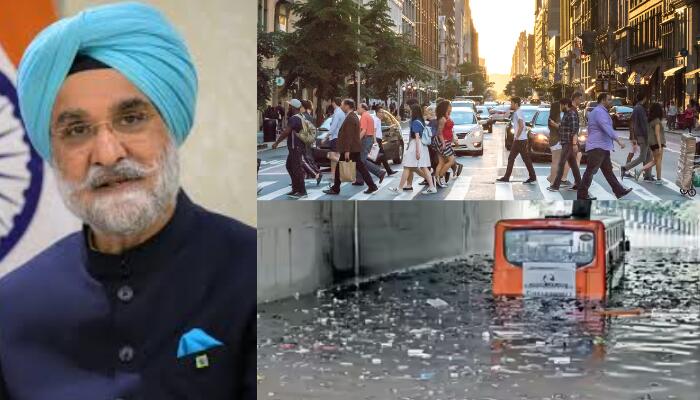
New Delhi is preparing for a major road transformation after Lieutenant Governor Taranjit Singh Sandhu reviewed the redevelopment plan for five key corridors. The plan aims to improve air quality, reduce flooding, and upgrade pedestrian infrastructure across the capital.
Sandhu held a detailed review with the School of Planning and Architecture and several road-owning agencies. The meeting focused on aligning planning and execution for the identified corridors. These roads carry heavy traffic and often face dust, congestion, and drainage issues.
Officials said work on the project is expected to begin soon.
Focus on cleaner air and stronger road design
The redevelopment plan targets road dust, which contributes significantly to Delhi’s air pollution. Sandhu stressed that the project must follow guidelines set by the Commission for Air Quality Management.
The approach focuses on preventing dust at the design stage. It reduces dependence on regular cleaning and maintenance alone. The goal is to make roads structurally cleaner and more sustainable.
Drainage system to prevent flooding and silt buildup
The plan includes a new stormwater drainage system for all five corridors. It aims to stop waterlogging during heavy rainfall.
Better drainage will also prevent silt from settling on roads after rain. This will reduce dust once the roads dry and traffic resumes. It will also improve movement during the monsoon season.
Green verges and improved mobility infrastructure
The project includes green central verges with grass carpeting. A piped irrigation system will support maintenance. This will reduce the need for water tankers on busy roads.
The corridors will also get pedestrian pathways and cycle tracks. Public utilities and resting shelters will be added along these stretches.
Sandhu also called for greater citizen participation. He said public involvement will improve upkeep and safety.
The project is now moving closer to execution. If implemented as planned, the five corridors could reshape how Delhi designs its major roads by linking mobility, environment, and public space planning.