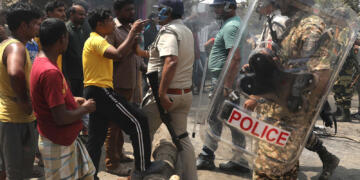
















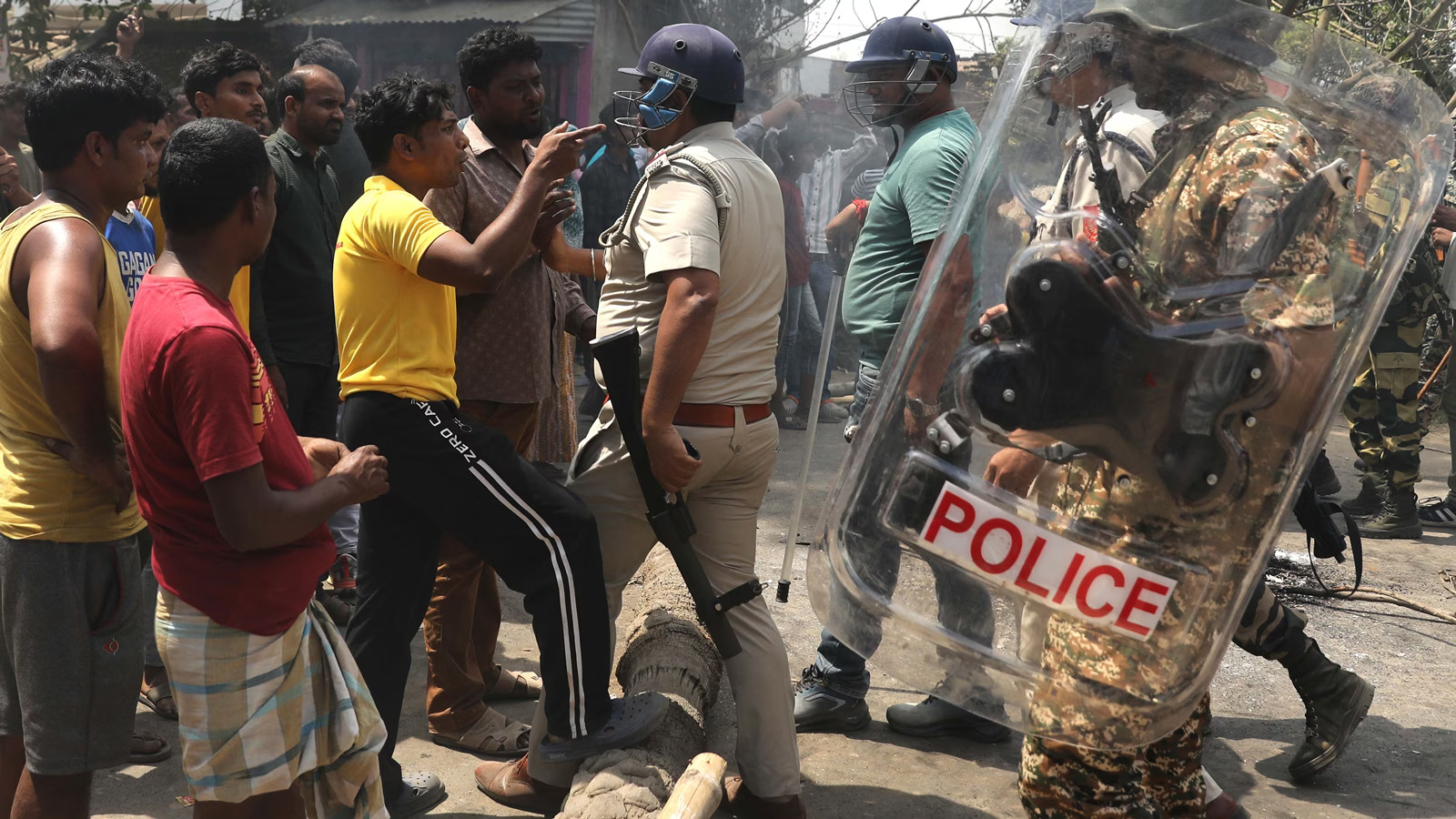
Fresh violence rocked West Bengal’s Malda district as protests linked to the Special Intensive Revision (SIR) process escalated into clashes, arson, and attacks on law enforcement personnel. The unrest, which began over allegations of voter list irregularities, quickly spiraled into a serious law-and-order situation, drawing national attention and judicial concern.
The violence erupted in pockets such as Kaliachak, Sujapur, and adjoining areas, where large groups of protesters took to the streets alleging wrongful deletion of names from electoral rolls during the SIR exercise. What initially began as demonstrations soon turned aggressive, with mobs blocking key roads, including stretches of National Highway 12, and disrupting connectivity between north and south Bengal.
As tensions intensified, police personnel came under direct attack. Reports indicate that protesters hurled stones and targeted security forces deployed to control the situation. In a dramatic escalation, vehicles—including police vehicles—were vandalised and set on fire, signaling a complete breakdown of order in certain pockets.
The situation worsened further when judicial officers engaged in SIR-related duties were surrounded and effectively held hostage for several hours. The officers, including women officials, were reportedly trapped without adequate support as protests raged outside. The gherao lasted late into the night before a rescue operation was carried out by police and security forces. (The Times of India)
The incident has triggered strong reactions from the judiciary. The Supreme Court sharply criticized the handling of the situation, describing it as a grave failure of administration and a direct challenge to the rule of law. It emphasized that officials performing electoral duties must be protected and allowed to function without fear or obstruction.
At the heart of the unrest lies the contentious SIR process, which involves scrutiny and revision of voter lists. Many protesters alleged that their names had been arbitrarily removed despite possessing valid documentation. This perceived disenfranchisement fueled anger on the ground, leading to spontaneous and, at times, coordinated demonstrations across multiple locations in Malda.
The Election Commission has taken note of the developments and sought a detailed report from the state’s Director General of Police. The Commission is particularly concerned about the safety of officials and the integrity of the electoral process amid such disruptions.
Meanwhile, political reactions have further intensified the situation. Opposition parties have accused the state administration of failing to maintain law and order, while the ruling establishment has pointed to alleged misinformation and external provocation as factors behind the violence. The clash of narratives has added a political dimension to what was initially an administrative exercise.
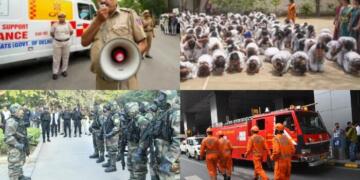
On the ground, security has been tightened significantly. Additional police forces and central personnel have been deployed in sensitive areas to prevent further escalation. Checkpoints, patrols, and pickets have been set up, particularly along highways and in areas that witnessed intense clashes. Authorities are also monitoring social media and local communication channels to prevent the spread of rumours that could inflame tensions further.
The Malda violence is not an isolated episode but part of a broader pattern of unrest linked to electoral processes in the region. Similar incidents in the past have seen protests over voter list revisions turn violent, raising concerns about the challenges of conducting large-scale democratic exercises in politically sensitive environments.
What makes the current episode particularly alarming is the direct targeting of police and judicial officials. Attacks on law enforcement, combined with incidents of arson, indicate a level of anger and mobilization that goes beyond routine protest. The burning of vehicles and sustained confrontation with authorities underline the volatility of the situation.
As investigations continue and arrests are made, the focus remains on restoring normalcy and ensuring accountability. Authorities have detained multiple individuals in connection with the violence, and further action is expected as evidence is gathered.
The events in Malda serve as a stark reminder of how quickly administrative disputes can escalate into full-blown unrest when public trust is eroded. With elections approaching, maintaining transparency, communication, and security will be crucial to preventing such incidents in the future.
For now, Malda remains tense but under watch, as the state and central agencies work to bring the situation under control and ensure that the democratic process proceeds without further disruption.