





















The unfolding crisis involving Noida Workers has transformed from a wage-related protest into a complex law-and-order challenge, with authorities now probing the role of external elements and digital misinformation. What began as a demand for better pay and working conditions has escalated into violence, arrests, and serious allegations of foreign-linked social media interference.
At its core, the unrest among Noida Workers was driven by long-standing grievances over wages, overtime compensation, and working conditions. The protests gained momentum following developments in neighbouring regions, where wage revisions created expectations among workers in Noida’s industrial clusters. As demonstrations intensified, thousands reportedly gathered across key industrial zones, bringing production and traffic to a standstill.
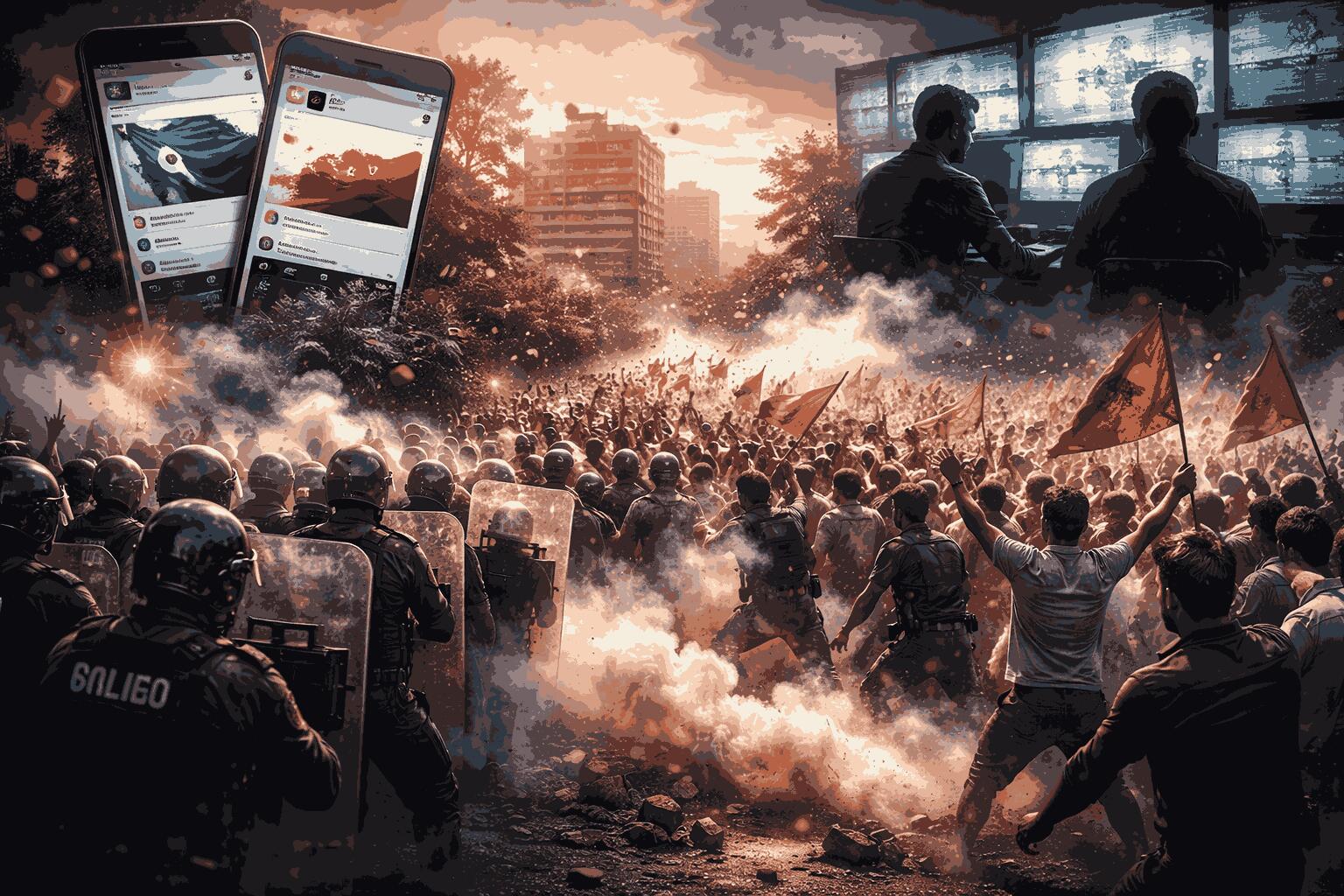
However, the situation took a dramatic turn when protests turned violent. Clashes between police and Noida Workers led to incidents of arson, stone-pelting, and attempts to breach barricades. Law enforcement responded with crowd-control measures, including tear gas, as the unrest spread across multiple sectors. The scale of the violence prompted authorities to deploy heavy police forces and initiate widespread detentions.
A critical dimension of the crisis emerged when investigators began examining the role of social media in amplifying tensions. According to officials, misleading content and provocative narratives were circulated online, allegedly contributing to the escalation. In particular, authorities identified certain accounts believed to be operated from outside India, which were accused of spreading false information designed to incite anger among Noida Workers.
Police officials, including senior leadership, stated that these accounts played a role in disseminating rumours—such as exaggerated claims of violence—that further inflamed the situation. The rapid spread of such content, combined with the formation of online groups, enabled swift mobilization of large numbers of Noida Workers, often within hours. Investigators are now analysing digital evidence, including chat records and account activity, to understand the full scope of this influence.
The administration has also pointed to the presence of individuals who were not part of the workforce but allegedly participated in the unrest. This has raised concerns that the agitation may have been partially hijacked by external actors seeking to exploit genuine worker grievances. Reports indicate that a significant number of those detained were not directly linked to industrial employment, further complicating the narrative around the Noida Workers protests.
Law enforcement agencies have responded with a series of actions, including registering multiple FIRs, arresting dozens of individuals, and increasing surveillance of digital platforms. Officials have emphasized that while the concerns of Noida Workers regarding wages are legitimate, any attempt to incite violence or spread misinformation will be dealt with strictly under the law.
Meanwhile, efforts are underway to restore normalcy and address the root causes of the unrest. Authorities have initiated dialogue with worker representatives and are reviewing wage structures and labour conditions. The goal is to ensure that the grievances of Noida Workers are resolved through institutional mechanisms rather than street confrontations.
The broader implications of the episode extend beyond Noida. The incident highlights how quickly local protests can be amplified by digital networks, especially when misinformation is involved. It also underscores the vulnerability of large, densely populated industrial workforces to rapid mobilization—both organic and orchestrated.
As investigations continue, the Noida Workers case stands at the intersection of labour rights, digital misinformation, and national security concerns. Whether the alleged foreign links are fully substantiated remains to be seen, but the episode has already prompted a re-evaluation of how protests are monitored and managed in the digital age.
In the coming weeks, the focus will likely remain on balancing two critical priorities: ensuring justice and fair treatment for Noida Workers, while preventing the misuse of legitimate protests for disruptive or unlawful purposes.