














RelatedPosts
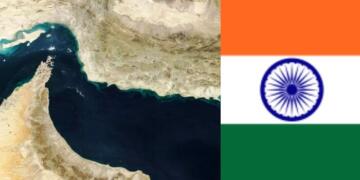
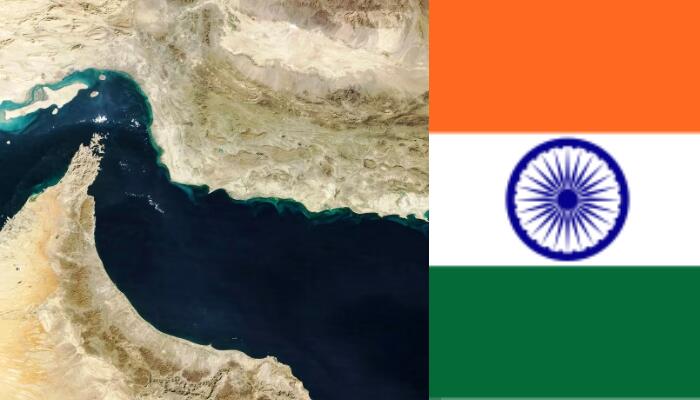
India has joined a wide-ranging international initiative involving more than 60 countries to examine ways to reopen the Strait of Hormuz, a vital maritime corridor that handles a significant portion of the world’s energy trade. The effort comes as tensions in West Asia disrupt shipping through the narrow waterway, triggering a surge in global oil prices and raising concerns about the stability of energy supplies.
The Ministry of External Affairs confirmed that Foreign Secretary Vikram Misri participated in a virtual meeting organised by the United Kingdom to discuss measures aimed at restoring navigation and maritime security in the strategically important passage.
Earlier in the day, External Affairs Ministry spokesperson Randhir Jaiswal said,”The UK had invited several countries, including India, to deliberate on the situation in the strait. Misri joined the discussions online and conveyed India’s position on protecting international shipping routes and maintaining the steady movement of essential energy shipments.”
Strategic route central to global energy flows
The Strait of Hormuz occupies a critical place in the global energy system. Nearly one-fifth of the world’s energy supplies move through this narrow stretch of water, making it one of the most sensitive chokepoints in international trade.
For India, the route carries particular importance. Around 40 per cent of the country’s oil imports travel through the strait, along with roughly half of its liquefied natural gas supplies and more than 80 per cent of liquefied petroleum gas shipments. India depends heavily on imported crude oil, with close to 88 per cent of its requirements sourced from overseas markets, much of it from West Asia.
According to the Ministry of External Affairs, Misri underlined the urgent need to safeguard freedom of navigation and ensure uninterrupted movement through international waters. He also highlighted how the current disruption directly affects India’s energy security and the wider stability of global supply chains.
The foreign secretary further noted that India remains the only country to have lost mariners in attacks on merchant vessels in the Gulf during the ongoing crisis. He stressed that easing tensions and returning to diplomacy and dialogue among all parties involved would be essential to resolving the situation.
Diplomatic engagement to protect Indian shipping
Alongside its participation in the international talks, New Delhi has been actively coordinating with regional stakeholders to ensure the safety of Indian vessels passing through the troubled waterway.
Jaiswal said, “India has been in contact with Iran and other countries in the region to secure safe and uninterrupted passage for ships transporting vital cargo, including LPG and LNG.”
He noted that diplomatic engagement over the past several days has already yielded some results. Six Indian vessels have successfully crossed the Strait of Hormuz during this period, and authorities continue to remain in close communication with relevant parties to maintain safe transit for Indian shipping.
The meeting hosted by the United Kingdom brought together a broad coalition of countries to examine diplomatic and political steps that could help restore maritime movement through the strait. Nations involved in the discussions include the United Kingdom, France, Germany, Italy, Japan, Canada and the United Arab Emirates.
British Prime Minister Keir Starmer said, “Participating countries had agreed to cooperate on efforts to restore navigation through the waterway while ensuring the safety of ships and seafarers affected by the disruption.”
The summit was chaired by UK Foreign Secretary Yvette Cooper and is expected to be followed by additional working-level consultations among officials to determine practical steps for reopening the passage.
The discussions have unfolded amid sharp remarks from the United States. President Donald Trump recently suggested that Washington’s allies should take the lead in securing the strait themselves, urging them to take responsibility for ensuring access to energy supplies.
As the crisis continues to unfold, India has emphasised the importance of dialogue, collective action, and the protection of key shipping routes that remain essential to the functioning of the global energy economy.