


















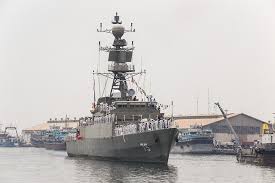
In a dramatic turn of events, the Iranian frigate IRIS Dena sank approximately 40 nautical miles south of Galle, Sri Lanka, after issuing a distress call around 5:30 am local time. Initial reports of a search and rescue operation quickly evolved into confirmation that the United States had carried out a torpedo strike against the vessel. The incident underscores how the ongoing Iran conflict is now encroaching on the Indian Ocean, close to both India and Sri Lanka.
A Lethal Mark 48 Torpedo
The attack was executed by a US Los Angeles-class fast-attack submarine using a Mark 48 heavyweight torpedo, a weapon designed to track and engage enemy surface ships and submarines with extreme precision. Unlike traditional torpedoes, the Mark 48 homes in on targets using active or passive sonar, can operate with or without wire guidance, and reengage if it misses. Retired US Navy officials describe it as overwhelmingly effective, capable of exploding beneath a ship’s hull to target its most vulnerable points.
The detonation produces a massive gas bubble that lifts the hull and removes structural support, often crippling propulsion, electronics, and bulkheads. The IRIS Dena sank within an hour of the attack, leaving only an oil patch at the site. Sri Lankan authorities rescued 32 crew members, while 148 remain missing. Two other Iranian warships reportedly sought shelter in Colombo following the attack.
Regional Implications and Diplomatic Sensitivities
Iran’s Foreign Minister Seyed Abbas Araghchi condemned the strike, labelling it an “atrocity at sea” against a vessel returning from an international exercise. The frigate had recently participated in India’s MILAN 2026 multinational naval exercise and International Fleet Review in Visakhapatnam.
The attack carries significant implications for India. Its proximity to Indian waters, combined with the 2016 Logistics Exchange Memorandum of Agreement with the US, raises questions over the use of Indian bases for resupply and the potential indirect involvement of New Delhi in the conflict. Analysts warn that maritime trade routes and the security of the Indian Ocean, a key strategic theatre for India, could face heightened disruption.
From Air to Sea: A New Phase of Conflict
While recent US-Israel campaigns against Iran relied on airpower and missiles, the sinking of the IRIS Dena signals a shift into the maritime domain. This escalation not only brings the war closer to India’s backyard but also signals a new chapter in naval warfare, with submarines returning to an offensive role after decades of surveillance and deterrence.
As the conflict evolves, India faces the delicate task of preserving regional stability while safeguarding its maritime interests, with tensions now spreading from the skies to the strategic waters of the Indian Ocean.