





















RelatedPosts
The debate over the implementation of the UGC Regulations intensified after the Supreme Court declined to entertain a petition challenging a circular issued by the Madhya Pradesh government that sought to implement the University Grants Commission’s newly introduced equity rules in higher education institutions. The decision has sparked discussion about the constitutional and administrative implications of the UGC Regulations, which aim to address discrimination within universities and colleges across the country.
The controversy revolves around the UGC Regulations formally known as the University Grants Commission (Promotion of Equity in Higher Education Institutions) Regulations, 2026. These rules were designed to create a more inclusive environment in universities by addressing caste-based discrimination and strengthening grievance-redressal mechanisms for marginalized students. The framework seeks to expand institutional accountability and ensure that complaints of discrimination are handled through structured procedures within campuses.
The Madhya Pradesh government had issued a circular directing educational institutions in the state to comply with these UGC Regulations and establish mechanisms aligned with the guidelines issued by the national regulator. However, the circular quickly became the subject of legal challenge, with petitioners arguing that the implementation raised constitutional concerns. They claimed that certain provisions of the UGC Regulations could lead to unequal treatment and potentially exclude some groups from the grievance-redressal framework.
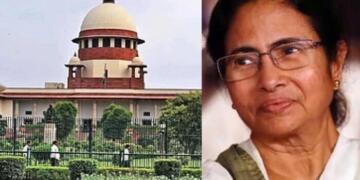
When the matter reached the Supreme Court, the petitioners sought judicial intervention to examine the validity of the state government’s directive implementing the UGC Regulations. However, the apex court reportedly refused to entertain the plea at that stage, effectively declining to intervene in the Madhya Pradesh circular. This meant that the circular implementing the UGC Regulations in the state remained in force, at least temporarily, while broader debates around the rules continued in other legal forums.
The dispute over the UGC Regulations is not limited to administrative implementation by state governments. Several petitions have already been filed before the Supreme Court challenging the constitutionality of the regulations themselves. Critics argue that some provisions defining caste-based discrimination apply primarily to Scheduled Castes, Scheduled Tribes and Other Backward Classes, thereby excluding students from other categories from the grievance process. Petitioners contend that such provisions could violate the constitutional guarantees of equality under Articles 14 and 15.
Supporters of the UGC Regulations, however, argue that the rules are necessary to address systemic discrimination in higher education institutions. According to proponents, marginalized communities have historically faced exclusion and harassment in academic spaces, and stronger regulatory oversight is required to ensure fairness and inclusion. The regulations therefore mandate institutional mechanisms such as equity committees, equal opportunity centres and time-bound complaint systems aimed at protecting vulnerable students and ensuring accountability in campuses.
The broader legal battle surrounding the UGC Regulations has already drawn attention from courts and policymakers. In January 2026, the Supreme Court stayed the implementation of the regulations nationwide after petitions argued that certain provisions could be arbitrary or capable of misuse. The court expressed concern that some definitions and procedural safeguards within the framework required closer examination before the rules could be fully implemented. As a result, the earlier 2012 regulations temporarily continued to operate while the matter awaited detailed hearings.
The refusal of the Supreme Court to entertain the specific plea against the Madhya Pradesh circular must therefore be seen within this larger legal and policy context. While the court did not intervene in the state’s administrative order, the constitutional validity of the UGC Regulations themselves remains under judicial scrutiny. Legal experts note that future hearings on the broader challenge will ultimately determine the fate of the regulatory framework.
Meanwhile, universities across the country are closely watching the developments, as the outcome could significantly reshape institutional policies dealing with discrimination and student grievances. Administrators, student bodies and policymakers are awaiting clarity on whether the UGC Regulations will survive judicial scrutiny in their current form or undergo modifications following the Supreme Court’s review.
As the debate continues, the issue highlights a complex balancing act between ensuring protection for historically marginalized communities and maintaining a regulatory framework perceived as fair and constitutionally sound by all stakeholders. The final verdict on the UGC Regulations could therefore have lasting implications for India’s higher education system and the principles governing equality and justice within academic institutions.