























The education landscape has evolved significantly over the last decade, driven by rapid technological advancements and changing industry demands. Traditional learning methods are increasingly being complemented by digital tools, adaptive platforms, and AI-driven systems that personalise the learning experience. Smart Learning has emerged as a powerful approach that combines technology in education, data insights, and interactive learning methods to enhance knowledge acquisition and skill development.
In the digital age, learners expect flexibility, accessibility, and career-focused outcomes. From online certification programmes to AI-powered learning platforms, smart learning is helping individuals stay competitive in an ever-evolving professional environment.
This blog explores the benefits of smart learning, the role of AI tools, and how education technology is shaping the future of skill development.
What is Smart Learning?
Smart learning refers to the integration of digital technology, artificial intelligence, and interactive tools to create personalised and efficient learning experiences. Unlike traditional learning models, smart learning focuses on adapting content to the learner’s pace, preferences, and goals.
Key features of smart learning include:
- Personalised learning pathways
- Interactive digital content
- AI-powered recommendations
- Data-driven progress tracking
- Flexible online certification options
- Mobile-friendly learning platforms
Smart learning environments use education technology to improve engagement, accessibility, and knowledge retention.
Role of Technology in Education
Technology in education plays a crucial role in enabling smart learning experiences. Digital platforms allow learners to access high-quality educational content from anywhere in the world.
Technology enhances education through:
- Virtual classrooms
- Interactive simulations
- Gamified learning modules
- AI-powered tutoring systems
- Cloud-based course delivery
- Real-time performance tracking
Education technology helps institutions provide scalable and flexible learning solutions for students and working professionals.
Key Benefits of Smart Learning in the Digital Age
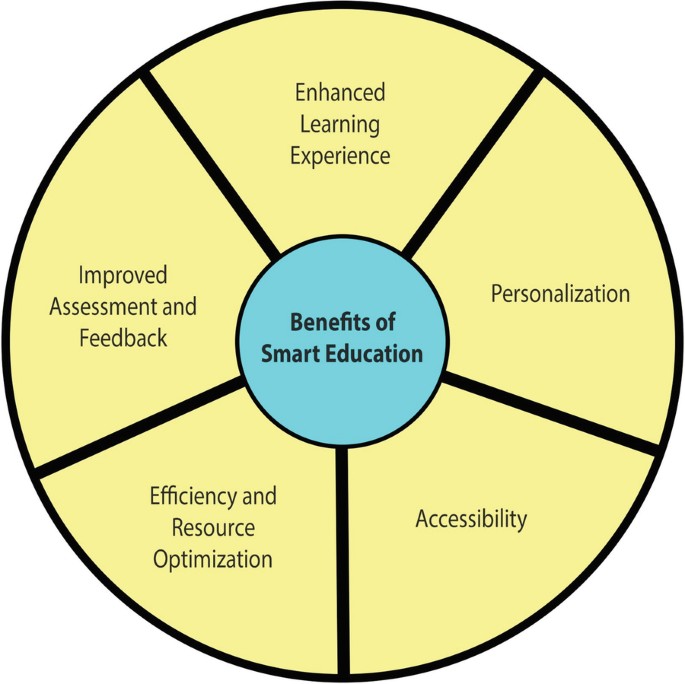
Here are the key benefits of smart learning in the digital age.
1. Personalised Learning Experience
Smart learning platforms use AI tools to analyse learning patterns and customise study materials accordingly. Learners receive tailored recommendations based on their strengths, weaknesses, and career goals.
Personalisation improves knowledge retention and helps learners focus on relevant topics.
2. Flexibility Through Online Certification Programmes
Online certification programmes allow learners to acquire industry-relevant skills without disrupting their professional commitments.
Benefits include:
- Self-paced learning
- Access to recorded sessions
- Flexible schedules
- Industry-recognised certifications
- Continuous skill development
Online certifications support career advancement and help professionals stay updated with emerging technologies.
3. Improved Engagement Through Interactive Content
Smart learning platforms provide interactive learning experiences using multimedia elements such as:
- Videos
- Simulations
- Infographics
- Quizzes
- Gamified modules
Interactive content enhances engagement and improves understanding of complex topics.
4. AI Tools Enhance Learning Efficiency
AI tools play an important role in smart learning by automating repetitive tasks and providing personalised insights.
Common AI tools used in education include:
- Intelligent chatbots
- Automated grading systems
- Personalised learning assistants
- Predictive analytics tools
- AI-powered content generators
AI-powered tools reduce manual effort and improve learning outcomes.
5. Career-Focused Learning Opportunities
Smart learning supports career-focused education by aligning the curriculum with industry requirements.
Benefits include:
- Skill gap identification
- Job-oriented curriculum
- Industry-relevant projects
- Professional certification pathways
- Continuous upskilling opportunities
Career-focused smart learning helps learners remain competitive in the job market.
6. Accessibility and Convenience
Smart learning platforms enable learners to access educational resources anytime and anywhere.
This accessibility benefits:
- Working professionals
- Students in remote locations
- Entrepreneurs
- Lifelong learners
Digital learning platforms ensure that quality education is not restricted by geographical boundaries.
7. Data-Driven Learning Insights
Education technology platforms use analytics to track learner progress and performance.
Data insights help learners:
- Monitor skill development
- Identify improvement areas
- Track course completion progress
- Set learning goals
Data-driven insights enhance decision-making and improve learning effectiveness.
8. Cost-Effective Learning Solutions
Online certification and smart learning programmes are often more affordable than traditional classroom courses.
Learners save on:
- Travel costs
- Accommodation expenses
- Printed study materials
Digital education offers high-quality learning experiences at lower costs.
Smart Learning and Artificial Education Technologies
Artificial education technologies such as AI, machine learning, and automation are enhancing digital learning environments.
AI-powered platforms can:
- Recommend personalised study plans
- Provide intelligent tutoring support
- Generate practice questions
- Analyse learner behaviour
- Automate administrative tasks
Artificial education tools are improving efficiency and scalability in modern education systems.
Role of AI for Business Learning
AI for business education is helping professionals develop strategic and analytical skills required in modern workplaces.
Smart learning platforms provide courses in:
- Business analytics
- Artificial intelligence
- Digital marketing
- Leadership and strategy
- Data science
- Financial analytics
Professionals benefit from industry-relevant curriculum aligned with current business trends.
AI-enabled business learning helps organisations build skilled workforces capable of handling complex challenges.
Future of Smart Learning
Smart learning is expected to continue evolving with advancements in AI and education technology.
Emerging trends include:
- Adaptive learning platforms
- AI-powered career guidance
- Virtual reality learning environments
- Intelligent skill assessment tools
- Personalised certification pathways
Technology-driven education will continue to play a significant role in professional development.
Role of Jaro Education in Smart Learning
Jaro Education collaborates with reputed institutions to offer career-focused online certification programmes designed for modern learners.
Through advanced digital learning platforms, Jaro supports professionals in gaining industry-relevant skills aligned with evolving market demands.
Smart learning programmes enable learners to develop expertise in technology, business, and management domains.
Conclusion
Smart learning is transforming education by combining technology in education, AI tools, and flexible online certification programmes.
From personalised learning pathways to career-focused skill development, smart learning provides significant advantages in the digital age.
As artificial education technologies continue to evolve, learners who adopt smart learning approaches will be better prepared for future career opportunities.
Investing in smart learning today can help professionals stay competitive and adaptable in a rapidly changing job market.
FAQs
1. What is smart learning?
Smart learning is an education approach that uses digital technology, AI tools, and data analytics to create personalised and flexible learning experiences.
2. How does technology in education support smart learning?
Technology in education enables virtual classrooms, interactive modules, AI-powered tutoring systems, and real-time performance tracking, improving learning outcomes.
3. Are online certification programmes useful for career growth?
Yes, online certification programmes help learners develop industry-relevant skills and improve employability in competitive job markets.
4. What are examples of AI tools used in smart learning?
Examples include AI chatbots, automated grading systems, adaptive learning platforms, and predictive analytics tools.
5. How does AI for business improve professional skills?
AI for business helps professionals develop analytical, strategic, and decision-making skills required in modern workplaces.