














TFIPOST हिन्दी
TFIPOST Global
Tfipost.com
Tfipost.com
No Result
View All Result
  • Premium
  • Politics
    • All
    • Analysis
    • Opinions
    • Trending
    Union Budget 2026: Rare Earth Mineral Corridor, India’s Strategic Bet on Critical Minerals

    Union Budget 2026: Rare Earth Mineral Corridor, India’s Strategic Bet on Critical Minerals

    Delhi Horror: 6-Year-Old Hindu Girl Raped by Three Minor Muslim Boys in Bhajanpura, Main Accused Flees to Bihar

    Delhi Horror: 6-Year-Old Hindu Girl Raped by Three Minor Muslim Boys in Bhajanpura, Main Accused Flees to Bihar

    Beef Controversy Erupts After Hindu Brahmin Actor Alleges Dietary Violation At Kolkata Restaurant

    Beef Controversy Erupts After Hindu Brahmin Actor Alleges Dietary Violation At Kolkata Restaurant

    Himanta Biswa Sarma Sharpens Immigration Debate In Assam With Uncompromising Political Message

    Himanta Biswa Sarma Sharpens Immigration Debate In Assam With Uncompromising Political Message

    • Analysis
    • Opinions
    • Trending
  • Economy
    • All
    • Business
    • Economy1
    • Finance
    Rare Earth Corridors, Speed Corridors and Heavy Capex: What Budget 2026–27 Says on Defence, Strategy and Infrastructure

    Rare Earth Corridors, Speed Corridors and Heavy Capex: What Budget 2026–27 Says on Defence, Strategy and Infrastructure

    Union Budget 2026: Rare Earth Mineral Corridor, India’s Strategic Bet on Critical Minerals

    Union Budget 2026: Rare Earth Mineral Corridor, India’s Strategic Bet on Critical Minerals

    Union Budget 2026–27 Leak? Centre Debunks Viral Claims

    Union Budget 2026–27 Leak? Centre Debunks Viral Claims

    The Complete Process Of Remote Contractor Management For Companies

    The Complete Process Of Remote Contractor Management For Companies

    • Business
    • Finance
  • Defense
    • All
    • Defence
    • Strategy
    • Weaponry
    Union Budget 2026: Rare Earth Mineral Corridor, India’s Strategic Bet on Critical Minerals

    Union Budget 2026: Rare Earth Mineral Corridor, India’s Strategic Bet on Critical Minerals

    India and Germany to Likely Finalise $8-Billion Project-75I Submarine Agreement By March-End

    India and Germany to Likely Finalise $8-Billion Project-75I Submarine Agreement By March-End

    India Poised to Join Select Nations as Navy Prepares to Induct Weaponised Unmanned Interceptor Craft

    India Poised to Join Select Nations as Navy Prepares to Induct Weaponised Unmanned Interceptor Craft

    Why Would Rahul Gandhi Like ‘Make in India’ When He Praises Chinese Companies? BJP’s response to Rahul Gandhi on ‘Make in India’

    Why Would Rahul Gandhi Like ‘Make in India’ When He Praises Chinese Companies? BJP’s response to Rahul Gandhi on ‘Make in India’

    • Defence
    • Strategy
    • Weaponry
  • Geopolitics
    • All
    • Africa
    • Americas
    • Asia Pacific
    • Europe
    • South Asia
    • West Asia
    Canada PM Mark Carney Likely to Visit India in March; Uranium, Energy and Trade Deals in Focus

    Canada PM Mark Carney Likely to Visit India in March; Uranium, Energy and Trade Deals in Focus

    Foreign Minister of Spain, Jose Manuel Albares, handed over the signed Declaration of Accession to the IPOI to External Affairs Minister Dr S Jaishankar

    A Sea Change: Why Spain Joining India’s Maritime Vision Matters

    Stick First, Deal Later: Trump’s Davos Diplomacy on Greenland

    Stick First, Deal Later: Trump’s Davos Diplomacy on Greenland

    Trump Issues Warning to Iran, Says, 'Whole country going to get blown up'

    Trump Issues Warning to Iran, Says, ‘Whole country going to get blown up’

    • Africa
    • Americas
    • Asia Pacific
    • Europe
    • South Asia
    • West Asia
  • Knowledge
    • All
    • Culture
    • Education
    • History
    • Indology
    Netaji Subhash Chandra Bose

    The life and times of Netaji Subhash Chandra Bose

    The Netaji Savarkar Meeting

    The Netaji-Savarkar Summit: A Spark for India’s Path to Sovereignty

    Top 10 Reasons to Learn Cybersecurity in 2026

    Top 10 Reasons to Learn Cybersecurity in 2026

    NaMo GenV Book Festival

    NaMo GenV Book Festival Showcases 400+ Books on PM Modi, Draws Large Youth Participation in Delhi

    • Culture
    • History
    • Indology
  • Law
  • Lounge
    • All
    • Books
    • Cinema
    • Entertainment
    • Food
    • Games
    • Health
    • Lifestyle
    • Satire
    • Sports
    • technology
    • Travel
    Where to Find Interactive Quiz Games Online

    Where to Find Interactive Quiz Games Online

    Do Generic Medicines Work the Same as Branded Ones?

    Do Generic Medicines Work the Same as Branded Ones?

    A Beginner’s Guide to Betting on College Basketball Odds

    A Beginner’s Guide to Betting on College Basketball Odds

    How to Fill Your Free Time Without Doom Scrolling

    How to Fill Your Free Time Without Doom Scrolling

    • Books
    • Cinema
    • Food
    • Health
    • Sports
    • technology
    • Travel
    • Satire
Tfipost.com
  • Premium
  • Politics
    • All
    • Analysis
    • Opinions
    • Trending
    Union Budget 2026: Rare Earth Mineral Corridor, India’s Strategic Bet on Critical Minerals

    Union Budget 2026: Rare Earth Mineral Corridor, India’s Strategic Bet on Critical Minerals

    Delhi Horror: 6-Year-Old Hindu Girl Raped by Three Minor Muslim Boys in Bhajanpura, Main Accused Flees to Bihar

    Delhi Horror: 6-Year-Old Hindu Girl Raped by Three Minor Muslim Boys in Bhajanpura, Main Accused Flees to Bihar

    Beef Controversy Erupts After Hindu Brahmin Actor Alleges Dietary Violation At Kolkata Restaurant

    Beef Controversy Erupts After Hindu Brahmin Actor Alleges Dietary Violation At Kolkata Restaurant

    Himanta Biswa Sarma Sharpens Immigration Debate In Assam With Uncompromising Political Message

    Himanta Biswa Sarma Sharpens Immigration Debate In Assam With Uncompromising Political Message

    • Analysis
    • Opinions
    • Trending
  • Economy
    • All
    • Business
    • Economy1
    • Finance
    Rare Earth Corridors, Speed Corridors and Heavy Capex: What Budget 2026–27 Says on Defence, Strategy and Infrastructure

    Rare Earth Corridors, Speed Corridors and Heavy Capex: What Budget 2026–27 Says on Defence, Strategy and Infrastructure

    Union Budget 2026: Rare Earth Mineral Corridor, India’s Strategic Bet on Critical Minerals

    Union Budget 2026: Rare Earth Mineral Corridor, India’s Strategic Bet on Critical Minerals

    Union Budget 2026–27 Leak? Centre Debunks Viral Claims

    Union Budget 2026–27 Leak? Centre Debunks Viral Claims

    The Complete Process Of Remote Contractor Management For Companies

    The Complete Process Of Remote Contractor Management For Companies

    • Business
    • Finance
  • Defense
    • All
    • Defence
    • Strategy
    • Weaponry
    Union Budget 2026: Rare Earth Mineral Corridor, India’s Strategic Bet on Critical Minerals

    Union Budget 2026: Rare Earth Mineral Corridor, India’s Strategic Bet on Critical Minerals

    India and Germany to Likely Finalise $8-Billion Project-75I Submarine Agreement By March-End

    India and Germany to Likely Finalise $8-Billion Project-75I Submarine Agreement By March-End

    India Poised to Join Select Nations as Navy Prepares to Induct Weaponised Unmanned Interceptor Craft

    India Poised to Join Select Nations as Navy Prepares to Induct Weaponised Unmanned Interceptor Craft

    Why Would Rahul Gandhi Like ‘Make in India’ When He Praises Chinese Companies? BJP’s response to Rahul Gandhi on ‘Make in India’

    Why Would Rahul Gandhi Like ‘Make in India’ When He Praises Chinese Companies? BJP’s response to Rahul Gandhi on ‘Make in India’

    • Defence
    • Strategy
    • Weaponry
  • Geopolitics
    • All
    • Africa
    • Americas
    • Asia Pacific
    • Europe
    • South Asia
    • West Asia
    Canada PM Mark Carney Likely to Visit India in March; Uranium, Energy and Trade Deals in Focus

    Canada PM Mark Carney Likely to Visit India in March; Uranium, Energy and Trade Deals in Focus

    Foreign Minister of Spain, Jose Manuel Albares, handed over the signed Declaration of Accession to the IPOI to External Affairs Minister Dr S Jaishankar

    A Sea Change: Why Spain Joining India’s Maritime Vision Matters

    Stick First, Deal Later: Trump’s Davos Diplomacy on Greenland

    Stick First, Deal Later: Trump’s Davos Diplomacy on Greenland

    Trump Issues Warning to Iran, Says, 'Whole country going to get blown up'

    Trump Issues Warning to Iran, Says, ‘Whole country going to get blown up’

    • Africa
    • Americas
    • Asia Pacific
    • Europe
    • South Asia
    • West Asia
  • Knowledge
    • All
    • Culture
    • Education
    • History
    • Indology
    Netaji Subhash Chandra Bose

    The life and times of Netaji Subhash Chandra Bose

    The Netaji Savarkar Meeting

    The Netaji-Savarkar Summit: A Spark for India’s Path to Sovereignty

    Top 10 Reasons to Learn Cybersecurity in 2026

    Top 10 Reasons to Learn Cybersecurity in 2026

    NaMo GenV Book Festival

    NaMo GenV Book Festival Showcases 400+ Books on PM Modi, Draws Large Youth Participation in Delhi

    • Culture
    • History
    • Indology
  • Law
  • Lounge
    • All
    • Books
    • Cinema
    • Entertainment
    • Food
    • Games
    • Health
    • Lifestyle
    • Satire
    • Sports
    • technology
    • Travel
    Where to Find Interactive Quiz Games Online

    Where to Find Interactive Quiz Games Online

    Do Generic Medicines Work the Same as Branded Ones?

    Do Generic Medicines Work the Same as Branded Ones?

    A Beginner’s Guide to Betting on College Basketball Odds

    A Beginner’s Guide to Betting on College Basketball Odds

    How to Fill Your Free Time Without Doom Scrolling

    How to Fill Your Free Time Without Doom Scrolling

    • Books
    • Cinema
    • Food
    • Health
    • Sports
    • technology
    • Travel
    • Satire
No Result
View All Result
Tfipost.com
Tfipost.com
No Result
View All Result
  • Premium
  • Politics
  • Economy
  • Defense
  • Geopolitics
  • Knowledge
  • Law
  • Lounge

Slavery Was Once a Core Part of the Islamic System – The End of Saudi Arabia’s Kafala System Signals a Shift

TFI Desk by TFI Desk
22 October 2025
in Politics
Slavery Was Once a Core Part of the Islamic System – The End of Saudi Arabia’s Kafala System Signals a Shift
Share on FacebookShare on X

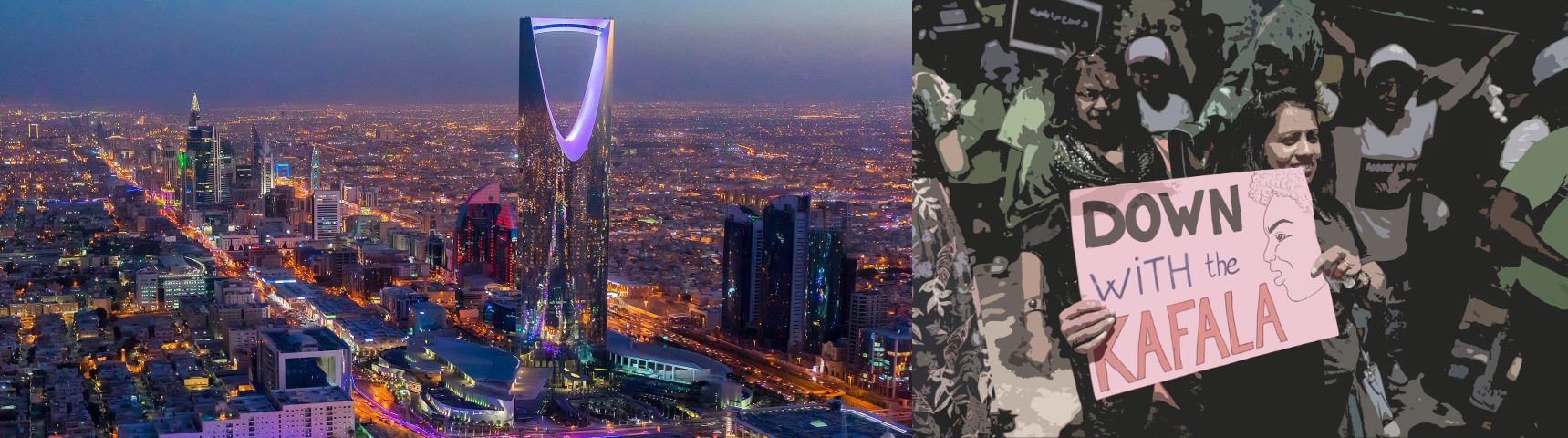
In June 2025, Saudi Arabia officially abolished the controversial Kafala (sponsorship) system, a long-standing practice that governed migrant labour for over 50 years. This change, although widely applauded as a major human rights advancement, also invites deeper reflection on the ideological and historical roots of such systems—particularly the uncomfortable truth that slavery, in various forms, has been historically embedded in parts of the Islamic system. The Kafala system, while not slavery in the traditional sense, carried disturbing similarities that many have called “modern-day slavery.”

What Was the Kafala System?

RelatedPosts

UAE President Sheikh Al Nahyan Arrives in India for Brief Visit Amid Iran Crisis, Talks with PM Modi Focus on Strategic Cooperation

‘Islamic NATO’: Is It Possible? What is the Concept and Constraints

Western Media Pushes Misleading Narrative on Pakistan’s JF-17 Fighter Jet

Load More

The Kafala system, derived from the Arabic word meaning “sponsorship,” was instituted in the Gulf countries during the mid-20th century, primarily to manage the influx of foreign labour required for rapid industrialisation. In Saudi Arabia, it became institutionalised as a formal legal mechanism that bound every foreign worker to a local sponsor, or Kafeel. This sponsor had full control over the worker’s legal status—determining where they could live, work, and even whether they could leave the country.

This system fundamentally denied migrant workers autonomy. Workers were unable to switch jobs without their employer’s consent, often had their passports confiscated, and were forced to obtain exit permits from the same employers to leave Saudi Arabia—even in emergencies. The level of control granted to sponsors made workers heavily dependent on the will and temperament of their employer, with virtually no recourse to justice if mistreated.

Echoes of Slavery in a Modern System

Human rights groups and international organisations, such as the International Labour Organisation (ILO), have repeatedly condemned the Kafala system, likening it to slavery. In fact, the term “modern-day slavery” has become almost synonymous with Kafala when discussed in global forums.

The comparison isn’t far-fetched. At its core, slavery is defined by the exploitation and control of one human being by another, often without consent and with restricted freedom. Under Kafala, migrant workers had no real agency—they couldn’t change jobs, leave the country, or protest abusive treatment without risking detention or deportation. Employers often withheld wages or forced employees into punishing work conditions, sometimes 18 hours a day, without legal consequences.

Islamic Tradition and the Historical Context of Slavery

To understand how systems like Kafala came to exist and persist for so long in Islamic countries, we must look into the historical relationship between Islamic jurisprudence and slavery.

Slavery was a socially accepted institution during the time of Prophet Muhammad, and Islam, like other Abrahamic religions, did not abolish it outright. Instead, Islamic teachings regulated slavery, placing emphasis on kind treatment and encouraging manumission (freeing of slaves) as a virtuous act. Slaves were permitted in warfare and were part of the economic and social structure of Islamic empires for centuries.

Although the Islamic system did not view slaves as inherently subhuman as some other systems did (e.g., the Atlantic slave trade), it still institutionalised the ownership of human beings. Over time, slavery morphed into other legal and social structures, such as indentured servitude or bonded labour. In the Gulf region, these remnants evolved into systems like Kafala—where power over foreign labourers could still be exercised, albeit under different terms.

While many Islamic scholars today argue that historical slavery was a product of its time and that Islam promotes equality and justice, the legacy of those early institutional frameworks helped lay the groundwork for later systems of control and exploitation. Kafala may not have originated solely from Islamic doctrine, but it thrived in societies where hierarchical, paternalistic labour models—arguably rooted in older Islamic and tribal traditions—were the norm.

Why the Change Now?

Saudi Arabia’s abolishment of Kafala is not just a humanitarian gesture. It’s also a calculated move in line with Vision 2030, Crown Prince Mohammed bin Salman’s ambitious plan to diversify the Saudi economy and improve the country’s global image. Saudi Arabia wants to attract foreign investment, top global talent, and transform into a knowledge-based economy. Systems that resemble slavery don’t sit well with modern business ethics.

Moreover, international pressure has played a significant role. Human rights watchdogs, global media, and foreign governments have long criticised the Kafala system, especially as stories of abuse—such as unpaid wages, sexual harassment, and forced labour—came to light. Qatar had to face similar backlash ahead of the 2022 FIFA World Cup and made reforms of its own.

A New Chapter for Migrant Workers

With the end of Kafala, the Saudi labour market is transitioning to a more standardised, contract-based model. Workers can now change jobs without their employer’s permission, leave the country freely, and have more legal mechanisms to report abuse or wage theft. This marks a dramatic shift in the quality of life for over 13 million migrant workers, mostly from developing nations like India, Bangladesh, Nepal, and the Philippines.

It also signals a deeper transformation within Saudi society—one that suggests the state is willing to part ways with outdated power structures that have no place in a modern nation.

Conclusion: A System Rooted in Control, Not Compassion

The Kafala system may not have been slavery in the literal sense, but it was a system that echoed the power dynamics of historical servitude—ironically, one that persisted in a region that once used religious justification for similar practices. Its abolition is a major step forward, but also a reminder of how systems that violate human dignity can survive for decades under religious, cultural, or economic justifications.

Ending Kafala doesn’t just mark a win for labour rights—it also challenges the idea that such systems have any place in a modern Islamic society. Going forward, true progress will depend on whether justice, equality, and human dignity can take precedence over tradition and control.

Tags: Gulf CountriesIslamic slaveryKafalaSaudi Arabia
ShareTweetSend
Previous Post

India’s Journey to the Moon: ‘Chandrayaan-1’ Seventeen Years Since Bharat’s First Leap on Lunar Explorations

Next Post

How Halal Certification Allegedly Fuels Terrorism and Religious Conversions: CM Yogi’s Case Against a Parallel Economy

Related Posts

Union Budget 2026: Rare Earth Mineral Corridor, India’s Strategic Bet on Critical Minerals
Economy

Union Budget 2026: Rare Earth Mineral Corridor, India’s Strategic Bet on Critical Minerals

1 February 2026

In a significant strategic announcement in the Union Budget on Sunday, Finance Minister Nirmala Sitharaman unveiled a Dedicated Rare...

Delhi Horror: 6-Year-Old Hindu Girl Raped by Three Minor Muslim Boys in Bhajanpura, Main Accused Flees to Bihar
Trending

Delhi Horror: 6-Year-Old Hindu Girl Raped by Three Minor Muslim Boys in Bhajanpura, Main Accused Flees to Bihar

1 February 2026

In a chilling incident that has shaken the nation's conscience, a 6-year-old Hindu girl became the victim of a...

Beef Controversy Erupts After Hindu Brahmin Actor Alleges Dietary Violation At Kolkata Restaurant
Trending

Beef Controversy Erupts After Hindu Brahmin Actor Alleges Dietary Violation At Kolkata Restaurant

1 February 2026

A dining experience at a prominent Kolkata restaurant has turned into a widely discussed controversy after a Hindu Brahmin...

Load More

Leave a Reply Cancel reply

Your email address will not be published. Required fields are marked *

I agree to the Terms of use and Privacy Policy.
This site is protected by reCAPTCHA and the Google Privacy Policy and Terms of Service apply.

Currently Playing

Between Rafale and AMCA; Where Does the Su-57 Fit | IAF| HAL | Wings India

Between Rafale and AMCA; Where Does the Su-57 Fit | IAF| HAL | Wings India

00:06:10

Pakistan’s Rafale Narrative Ends at Kartavya Path| Sindoor Formation Exposes the BS022 Claim | IAF

00:09:35

If US Says NO, F-35 Can’t Fly: The Hidden Cost of Imports | Make In India

00:06:15

Republic Day Shock: India’s Hypersonic Warning to the World| DRDO | HGV | Indian Army

00:05:24

French Media Exposes Pakistan and China on the Rafale lost

00:04:36
Facebook Twitter Instagram Youtube
tfipostTfipost.com
Right Wing | News Analysis | Indian Opinion
  • About us
  • Contact Us
  • Careers
  • Brand Partnerships
  • Terms of use
  • Privacy Policy
  • Sitemap

©2026 TFI Media Private Limited

No Result
View All Result
  • Premium
  • Politics
    • Analysis
    • Opinions
    • Trending
  • Economy
    • Business
    • Finance
  • Defense
    • Defence
    • Strategy
    • Weaponry
  • Geopolitics
    • Africa
    • Americas
    • Asia Pacific
    • Europe
    • South Asia
    • West Asia
  • Knowledge
    • Culture
    • History
    • Indology
  • Law
  • Lounge
    • Books
    • Cinema
    • Food
    • Health
    • Sports
    • technology
    • Travel
    • Satire
TFIPOST हिन्दी
TFIPOST Global

©2026 TFI Media Private Limited