












TFIPOST हिन्दी
TFIPOST Global
Tfipost.com
Tfipost.com
No Result
View All Result
  • Premium
  • Politics
    • All
    • Analysis
    • Opinions
    • Trending
    Gautam Khattar Faces FIR in Goa Over Explosive Remarks on St. Francis Xavier

    Gautam Khattar Faces FIR in Goa Over Explosive Remarks on St. Francis Xavier

    St. Xavier Scandal Storm Deepens: Arrests, Outrage and Institutional Silence Raise Serious Questions

    St. Xavier Scandal Storm Deepens: Arrests, Outrage and Institutional Silence Raise Serious Questions

    The Strategic Double-Game: Pakistan’s Fatal Gambit in the US-Iran War

    The Strategic Double-Game: Pakistan’s Fatal Gambit in the US-Iran War

    Rajya Sabha revolt: AAP loses its numbers game

    The Two-Thirds Manoeuvre: How AAP MPs Legalised Their Switch To BJP

    • Analysis
    • Opinions
    • Trending
  • Economy
    • All
    • Business
    • Economy1
    • Finance
    Open Demat Account with Zero Annual Maintenance Charges What to Look For

    Open Demat Account with Zero Annual Maintenance Charges What to Look For

    Blood in the Meadows: How the Pahalgam Terror Attack Exposed Calculated Targeting of Civilians in Kashmir

    Blood in the Meadows: How the Pahalgam Terror Attack Exposed Calculated Targeting of Civilians in Kashmir

    Indian economy is stronger than the ranking.

    IMF Ranking Jolt Misread: India’s Economy Strong, Sixth Spot Just a Statistical Glitch

    The Fuel Miracle: How India Frozen Petrol Prices Amidst a Global Inferno

    The Fuel Miracle: How India Frozen Petrol Prices Amidst a Global Inferno

    • Business
    • Finance
  • Defense
    • All
    • Defence
    • Strategy
    • Weaponry
    The scars of Pahalgam endure, even as the nation moves forward

    Pahalgam Anniversary: Modi Signals Firm National Stand as India Reasserts Anti-Terror Resolve

    Precision Strike: Indian Army Approves Procurement of Indigenous MPATGM to Modernise Infantry Wings

    Precision Strike: Indian Army Approves Procurement of Indigenous MPATGM to Modernise Infantry Wings

    Amit Shah on sensitive Gorkha land issue

    Shah Assures Constitutional Path for Gorkha Issue, Intensifies Attack on TMC at Bengal Rally

    Historic Leap for ‘Aatmanirbhar Bharat’ as First India-Made BrahMos Missiles from Lucknow Join Indian Army

    Historic Leap for ‘Aatmanirbhar Bharat’ as First India-Made BrahMos Missiles from Lucknow Join Indian Army

    • Defence
    • Strategy
    • Weaponry
  • Geopolitics
    • All
    • Africa
    • Americas
    • Asia Pacific
    • Europe
    • South Asia
    • West Asia
    The Strategic Double-Game: Pakistan’s Fatal Gambit in the US-Iran War

    The Strategic Double-Game: Pakistan’s Fatal Gambit in the US-Iran War

    When a repost became a foreign policy problem

    Trump’s India ‘Hellhole’ Insult Triggers Backlash as New Delhi Hits Back, US Scrambles for Damage Control

    PLA Navy Day Spectacle vs South China Sea Reality: How Beijing’s Naval Pageantry Masks Maritime Coercion

    PLA Navy Day Spectacle vs South China Sea Reality: How Beijing’s Naval Pageantry Masks Maritime Coercion

    Rajnath Singh addresses the possibility of India contributing to peace efforts in West Asia amid ongoing geopolitical tensions.

    Could India Become a Diplomatic Space in the West Asia Crisis? Rajnath Singh Hints at Possibility

    • Africa
    • Americas
    • Asia Pacific
    • Europe
    • South Asia
    • West Asia
  • Knowledge
    • All
    • Culture
    • Education
    • History
    • Indology
    Chants of ‘Jai Badri Vishal’ Echo as Badrinath Portals Open; All Four Dhams Now Accessible to Pilgrims

    Chants of ‘Jai Badri Vishal’ Echo as Badrinath Portals Open; All Four Dhams Now Accessible to Pilgrims

    Kedarnath Dham Portals Open for Devotees After 181 Days Amid Vedic Chants, Traditional Rituals

    Kedarnath Dham Portals Open for Devotees After 181 Days Amid Vedic Chants, Traditional Rituals

    Sardar Patel and Amit Shah

    Sardar Patel’s 1947 Blueprint on Minority Quotas Resurfaces as Reservation Debate Returns to Centre Stage

    The 1973 Constitution and ‘Bhutto’ the Man Who Made It: What Pakistan Owes and What It Destroyed

    The 1973 Constitution and ‘Bhutto’ the Man Who Made It: What Pakistan Owes and What It Destroyed

    • Culture
    • History
    • Indology
  • Law
  • Lounge
    • All
    • Books
    • Cinema
    • Entertainment
    • Food
    • Games
    • Health
    • Lifestyle
    • Satire
    • Sports
    • technology
    • Travel
    5 Facilities in Bengaluru Specializing in Mental Health Treatment for Those with Cancer

    5 Facilities in Bengaluru Specializing in Mental Health Treatment for Those with Cancer

    UNESCO World Book Day and Copyright Day

    World Book Day 2026: UNESCO’s Multilingual Push Aligns with India’s Deep Literary Continuum

    Fashion Fusion Accessory Pairings That Modernize Your Look

    Fashion Fusion Accessory Pairings That Modernize Your Look

    Aromatic Mood Lifters for Everyday Us

    Aromatic Mood Lifters for Everyday Us

    • Books
    • Cinema
    • Food
    • Health
    • Sports
    • technology
    • Travel
    • Satire
Tfipost.com
  • Premium
  • Politics
    • All
    • Analysis
    • Opinions
    • Trending
    Gautam Khattar Faces FIR in Goa Over Explosive Remarks on St. Francis Xavier

    Gautam Khattar Faces FIR in Goa Over Explosive Remarks on St. Francis Xavier

    St. Xavier Scandal Storm Deepens: Arrests, Outrage and Institutional Silence Raise Serious Questions

    St. Xavier Scandal Storm Deepens: Arrests, Outrage and Institutional Silence Raise Serious Questions

    The Strategic Double-Game: Pakistan’s Fatal Gambit in the US-Iran War

    The Strategic Double-Game: Pakistan’s Fatal Gambit in the US-Iran War

    Rajya Sabha revolt: AAP loses its numbers game

    The Two-Thirds Manoeuvre: How AAP MPs Legalised Their Switch To BJP

    • Analysis
    • Opinions
    • Trending
  • Economy
    • All
    • Business
    • Economy1
    • Finance
    Open Demat Account with Zero Annual Maintenance Charges What to Look For

    Open Demat Account with Zero Annual Maintenance Charges What to Look For

    Blood in the Meadows: How the Pahalgam Terror Attack Exposed Calculated Targeting of Civilians in Kashmir

    Blood in the Meadows: How the Pahalgam Terror Attack Exposed Calculated Targeting of Civilians in Kashmir

    Indian economy is stronger than the ranking.

    IMF Ranking Jolt Misread: India’s Economy Strong, Sixth Spot Just a Statistical Glitch

    The Fuel Miracle: How India Frozen Petrol Prices Amidst a Global Inferno

    The Fuel Miracle: How India Frozen Petrol Prices Amidst a Global Inferno

    • Business
    • Finance
  • Defense
    • All
    • Defence
    • Strategy
    • Weaponry
    The scars of Pahalgam endure, even as the nation moves forward

    Pahalgam Anniversary: Modi Signals Firm National Stand as India Reasserts Anti-Terror Resolve

    Precision Strike: Indian Army Approves Procurement of Indigenous MPATGM to Modernise Infantry Wings

    Precision Strike: Indian Army Approves Procurement of Indigenous MPATGM to Modernise Infantry Wings

    Amit Shah on sensitive Gorkha land issue

    Shah Assures Constitutional Path for Gorkha Issue, Intensifies Attack on TMC at Bengal Rally

    Historic Leap for ‘Aatmanirbhar Bharat’ as First India-Made BrahMos Missiles from Lucknow Join Indian Army

    Historic Leap for ‘Aatmanirbhar Bharat’ as First India-Made BrahMos Missiles from Lucknow Join Indian Army

    • Defence
    • Strategy
    • Weaponry
  • Geopolitics
    • All
    • Africa
    • Americas
    • Asia Pacific
    • Europe
    • South Asia
    • West Asia
    The Strategic Double-Game: Pakistan’s Fatal Gambit in the US-Iran War

    The Strategic Double-Game: Pakistan’s Fatal Gambit in the US-Iran War

    When a repost became a foreign policy problem

    Trump’s India ‘Hellhole’ Insult Triggers Backlash as New Delhi Hits Back, US Scrambles for Damage Control

    PLA Navy Day Spectacle vs South China Sea Reality: How Beijing’s Naval Pageantry Masks Maritime Coercion

    PLA Navy Day Spectacle vs South China Sea Reality: How Beijing’s Naval Pageantry Masks Maritime Coercion

    Rajnath Singh addresses the possibility of India contributing to peace efforts in West Asia amid ongoing geopolitical tensions.

    Could India Become a Diplomatic Space in the West Asia Crisis? Rajnath Singh Hints at Possibility

    • Africa
    • Americas
    • Asia Pacific
    • Europe
    • South Asia
    • West Asia
  • Knowledge
    • All
    • Culture
    • Education
    • History
    • Indology
    Chants of ‘Jai Badri Vishal’ Echo as Badrinath Portals Open; All Four Dhams Now Accessible to Pilgrims

    Chants of ‘Jai Badri Vishal’ Echo as Badrinath Portals Open; All Four Dhams Now Accessible to Pilgrims

    Kedarnath Dham Portals Open for Devotees After 181 Days Amid Vedic Chants, Traditional Rituals

    Kedarnath Dham Portals Open for Devotees After 181 Days Amid Vedic Chants, Traditional Rituals

    Sardar Patel and Amit Shah

    Sardar Patel’s 1947 Blueprint on Minority Quotas Resurfaces as Reservation Debate Returns to Centre Stage

    The 1973 Constitution and ‘Bhutto’ the Man Who Made It: What Pakistan Owes and What It Destroyed

    The 1973 Constitution and ‘Bhutto’ the Man Who Made It: What Pakistan Owes and What It Destroyed

    • Culture
    • History
    • Indology
  • Law
  • Lounge
    • All
    • Books
    • Cinema
    • Entertainment
    • Food
    • Games
    • Health
    • Lifestyle
    • Satire
    • Sports
    • technology
    • Travel
    5 Facilities in Bengaluru Specializing in Mental Health Treatment for Those with Cancer

    5 Facilities in Bengaluru Specializing in Mental Health Treatment for Those with Cancer

    UNESCO World Book Day and Copyright Day

    World Book Day 2026: UNESCO’s Multilingual Push Aligns with India’s Deep Literary Continuum

    Fashion Fusion Accessory Pairings That Modernize Your Look

    Fashion Fusion Accessory Pairings That Modernize Your Look

    Aromatic Mood Lifters for Everyday Us

    Aromatic Mood Lifters for Everyday Us

    • Books
    • Cinema
    • Food
    • Health
    • Sports
    • technology
    • Travel
    • Satire
No Result
View All Result
Tfipost.com
Tfipost.com
No Result
View All Result
  • Premium
  • Politics
  • Economy
  • Defense
  • Geopolitics
  • Knowledge
  • Law
  • Lounge

Slavery Was Once a Core Part of the Islamic System – The End of Saudi Arabia’s Kafala System Signals a Shift

TFI Desk by TFI Desk
22 October 2025
in Politics
Slavery Was Once a Core Part of the Islamic System – The End of Saudi Arabia’s Kafala System Signals a Shift
Share on FacebookShare on X

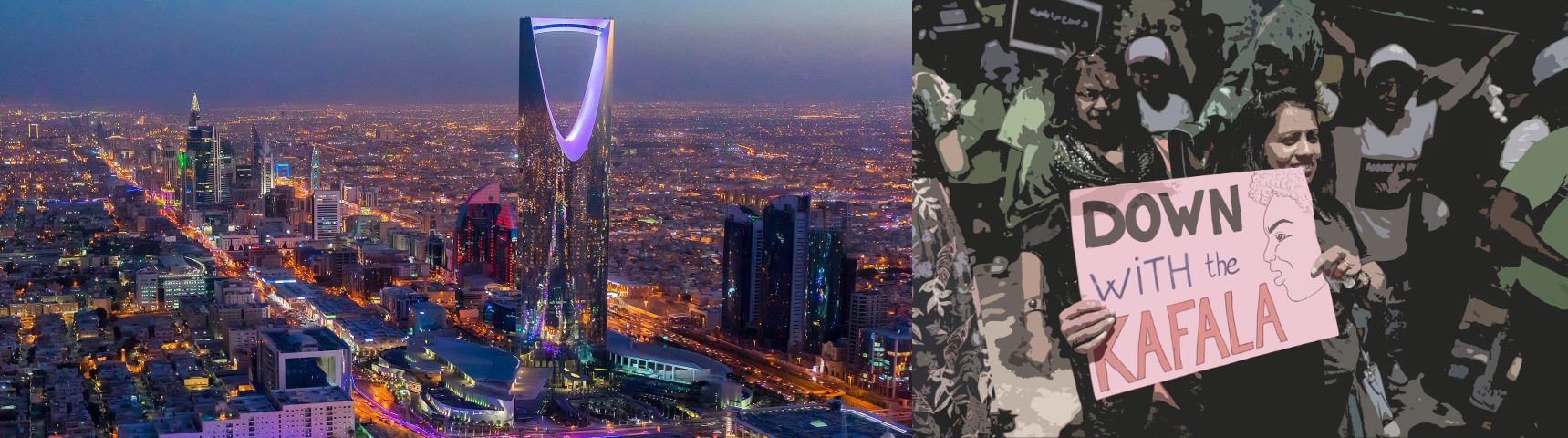
In June 2025, Saudi Arabia officially abolished the controversial Kafala (sponsorship) system, a long-standing practice that governed migrant labour for over 50 years. This change, although widely applauded as a major human rights advancement, also invites deeper reflection on the ideological and historical roots of such systems—particularly the uncomfortable truth that slavery, in various forms, has been historically embedded in parts of the Islamic system. The Kafala system, while not slavery in the traditional sense, carried disturbing similarities that many have called “modern-day slavery.”

What Was the Kafala System?

RelatedPosts

Ajit Doval Engages Saudi Leadership in Riyadh as India Strengthens Strategic and Energy Ties

Pakistan Activates Defence Pact: 13,000 Troops and Fighter Jets Land in Saudi Arabia Amid Regional Tensions

India Rushes to Secure Gas Supplies as Hardeep Singh Puri Heads to Qatar Amid War Disruptions

Load More

The Kafala system, derived from the Arabic word meaning “sponsorship,” was instituted in the Gulf countries during the mid-20th century, primarily to manage the influx of foreign labour required for rapid industrialisation. In Saudi Arabia, it became institutionalised as a formal legal mechanism that bound every foreign worker to a local sponsor, or Kafeel. This sponsor had full control over the worker’s legal status—determining where they could live, work, and even whether they could leave the country.

This system fundamentally denied migrant workers autonomy. Workers were unable to switch jobs without their employer’s consent, often had their passports confiscated, and were forced to obtain exit permits from the same employers to leave Saudi Arabia—even in emergencies. The level of control granted to sponsors made workers heavily dependent on the will and temperament of their employer, with virtually no recourse to justice if mistreated.

Echoes of Slavery in a Modern System

Human rights groups and international organisations, such as the International Labour Organisation (ILO), have repeatedly condemned the Kafala system, likening it to slavery. In fact, the term “modern-day slavery” has become almost synonymous with Kafala when discussed in global forums.

The comparison isn’t far-fetched. At its core, slavery is defined by the exploitation and control of one human being by another, often without consent and with restricted freedom. Under Kafala, migrant workers had no real agency—they couldn’t change jobs, leave the country, or protest abusive treatment without risking detention or deportation. Employers often withheld wages or forced employees into punishing work conditions, sometimes 18 hours a day, without legal consequences.

Islamic Tradition and the Historical Context of Slavery

To understand how systems like Kafala came to exist and persist for so long in Islamic countries, we must look into the historical relationship between Islamic jurisprudence and slavery.

Slavery was a socially accepted institution during the time of Prophet Muhammad, and Islam, like other Abrahamic religions, did not abolish it outright. Instead, Islamic teachings regulated slavery, placing emphasis on kind treatment and encouraging manumission (freeing of slaves) as a virtuous act. Slaves were permitted in warfare and were part of the economic and social structure of Islamic empires for centuries.

Although the Islamic system did not view slaves as inherently subhuman as some other systems did (e.g., the Atlantic slave trade), it still institutionalised the ownership of human beings. Over time, slavery morphed into other legal and social structures, such as indentured servitude or bonded labour. In the Gulf region, these remnants evolved into systems like Kafala—where power over foreign labourers could still be exercised, albeit under different terms.

While many Islamic scholars today argue that historical slavery was a product of its time and that Islam promotes equality and justice, the legacy of those early institutional frameworks helped lay the groundwork for later systems of control and exploitation. Kafala may not have originated solely from Islamic doctrine, but it thrived in societies where hierarchical, paternalistic labour models—arguably rooted in older Islamic and tribal traditions—were the norm.

Why the Change Now?

Saudi Arabia’s abolishment of Kafala is not just a humanitarian gesture. It’s also a calculated move in line with Vision 2030, Crown Prince Mohammed bin Salman’s ambitious plan to diversify the Saudi economy and improve the country’s global image. Saudi Arabia wants to attract foreign investment, top global talent, and transform into a knowledge-based economy. Systems that resemble slavery don’t sit well with modern business ethics.

Moreover, international pressure has played a significant role. Human rights watchdogs, global media, and foreign governments have long criticised the Kafala system, especially as stories of abuse—such as unpaid wages, sexual harassment, and forced labour—came to light. Qatar had to face similar backlash ahead of the 2022 FIFA World Cup and made reforms of its own.

A New Chapter for Migrant Workers

With the end of Kafala, the Saudi labour market is transitioning to a more standardised, contract-based model. Workers can now change jobs without their employer’s permission, leave the country freely, and have more legal mechanisms to report abuse or wage theft. This marks a dramatic shift in the quality of life for over 13 million migrant workers, mostly from developing nations like India, Bangladesh, Nepal, and the Philippines.

It also signals a deeper transformation within Saudi society—one that suggests the state is willing to part ways with outdated power structures that have no place in a modern nation.

Conclusion: A System Rooted in Control, Not Compassion

The Kafala system may not have been slavery in the literal sense, but it was a system that echoed the power dynamics of historical servitude—ironically, one that persisted in a region that once used religious justification for similar practices. Its abolition is a major step forward, but also a reminder of how systems that violate human dignity can survive for decades under religious, cultural, or economic justifications.

Ending Kafala doesn’t just mark a win for labour rights—it also challenges the idea that such systems have any place in a modern Islamic society. Going forward, true progress will depend on whether justice, equality, and human dignity can take precedence over tradition and control.

Tags: Gulf CountriesIslamic slaveryKafalaSaudi Arabia
ShareTweetSend
Previous Post

India’s Journey to the Moon: ‘Chandrayaan-1’ Seventeen Years Since Bharat’s First Leap on Lunar Explorations

Next Post

How Halal Certification Allegedly Fuels Terrorism and Religious Conversions: CM Yogi’s Case Against a Parallel Economy

Related Posts

Gautam Khattar Faces FIR in Goa Over Explosive Remarks on St. Francis Xavier
Trending

Gautam Khattar Faces FIR in Goa Over Explosive Remarks on St. Francis Xavier

24 April 2026

Gautam Khattar, a prominent right-wing speaker and founder of Sanatan Mahasangh, has ignited a fierce controversy in Goa after...

St. Xavier Scandal Storm Deepens: Arrests, Outrage and Institutional Silence Raise Serious Questions
Trending

St. Xavier Scandal Storm Deepens: Arrests, Outrage and Institutional Silence Raise Serious Questions

24 April 2026

A growing storm of controversy surrounding “St. Xavier” has once again exposed deep concerns about accountability, institutional response, and...

The Strategic Double-Game: Pakistan’s Fatal Gambit in the US-Iran War
Geopolitics

The Strategic Double-Game: Pakistan’s Fatal Gambit in the US-Iran War

24 April 2026

The international community loves a good peacemaker story, and Pakistan has delivered one with impeccable timing. Foreign Minister Ishaq...

Load More

Leave a Reply Cancel reply

Your email address will not be published. Required fields are marked *

I agree to the Terms of use and Privacy Policy.
This site is protected by reCAPTCHA and the Google Privacy Policy and Terms of Service apply.

Currently Playing

From Runways to Warships: India’s Firefighting Warrior Built for Bases & Battles| IAF | VayuShakti

From Runways to Warships: India’s Firefighting Warrior Built for Bases & Battles| IAF | VayuShakti

00:05:40

Ethanol, EVs and Solar- How India’s Energy Game Is Changing | Modi on LPG & Crude Oil | war| Hormuz

00:05:21

Truth of IRIS Dena: 8 Days That Changed Narrative | War zone Reality, Not an Indian Navy Exercise

00:08:02

300 Million Euros for SCALP: Strategic Necessity or Costly Dependency on France300

00:04:06

Tejas Mk1A: 19th aircraft coupled but Not Delivered: What Is Holding Back the IAF Induction?

00:07:21
Facebook Twitter Instagram Youtube
tfipostTfipost.com
Right Wing | News Analysis | Indian Opinion
  • About us
  • Contact Us
  • Careers
  • Brand Partnerships
  • Terms of use
  • Privacy Policy
  • Sitemap

©2026 TFI Media Private Limited

No Result
View All Result
  • Premium
  • Politics
    • Analysis
    • Opinions
    • Trending
  • Economy
    • Business
    • Finance
  • Defense
    • Defence
    • Strategy
    • Weaponry
  • Geopolitics
    • Africa
    • Americas
    • Asia Pacific
    • Europe
    • South Asia
    • West Asia
  • Knowledge
    • Culture
    • History
    • Indology
  • Law
  • Lounge
    • Books
    • Cinema
    • Food
    • Health
    • Sports
    • technology
    • Travel
    • Satire
TFIPOST हिन्दी
TFIPOST Global

©2026 TFI Media Private Limited