










TFIPOST हिन्दी
TFIPOST Global
Tfipost.com
Tfipost.com
No Result
View All Result
  • Premium
  • Politics
    • All
    • Analysis
    • Opinions
    • Trending
    Delhi government

    Delhi Government Launches Rainwater Harvesting Initiative in Schools to Boost Water Conservation

    Yogi Adityanath

    Yogi Adityanath thrashes Samajwadi Party Over Temple Donations, Ayodhya and Waqf Issues

    Amaira Meena

    Amaira Meena Case: CCTV Footage Renews Debate on School Bullying and Child Safety

    Narottam Mishra

    Chaos in Datia as supporters of Narottam Mishra Clash with Police Over BJP Ticket Denial

    • Analysis
    • Opinions
    • Trending
  • Economy
    • All
    • Business
    • Economy1
    • Finance
    ULIP Fund Switching Explained: When, Why, and How to Boost Returns

    ULIP Fund Switching Explained: When, Why, and How to Boost Returns

    A Detailed Look at What Determines Silver Prices, Purity Grades, and City-Based Rate Differences Across India

    A Detailed Look at What Determines Silver Prices, Purity Grades, and City-Based Rate Differences Across India

    10 Things You Can Do on the Boubyan App That Most People Don’t Know About

    10 Things You Can Do on the Boubyan App That Most People Don’t Know About

    Benefits of using a mortgage loan EMI calculator for long-term budget planning

    Benefits of using a mortgage loan EMI calculator for long-term budget planning

    • Business
    • Finance
  • Defense
    • All
    • Defence
    • Strategy
    • Weaponry
    From Shipbuilder to Maritime Capability Partner: Navy Outlines Bigger Vision for Defence PSU HSL With Dy Chief of Navy’s visit

    From Shipbuilder to Maritime Capability Partner: Navy Outlines Bigger Vision for Defence PSU HSL With Dy Chief of Navy’s visit

    General Dhiraj Seth’s ‘VIJAY’ Doctrine Signals India’s Next Military Transformation

    General Dhiraj Seth’s ‘VIJAY’ Doctrine Signals India’s Next Military Transformation

    Why the Army is quietly rewriting India’s warfighting doctrine with its first Integrated Battle Groups

    Why the Army is quietly rewriting India’s warfighting doctrine with its first Integrated Battle Groups

    India Officially Names Six Operation Sindoor Martyrs as Their Sacrifice Enters National War Memorial Record

    India Officially Names Six Operation Sindoor Martyrs as Their Sacrifice Enters National War Memorial Record

    • Defence
    • Strategy
    • Weaponry
  • Geopolitics
    • All
    • Africa
    • Americas
    • Asia Pacific
    • Europe
    • South Asia
    • West Asia
    Modi-Takaichi Summit Signals India-Japan’s Strategic Pivot Towards a Stronger Indo-Pacific Alliance

    Modi-Takaichi Summit Signals India-Japan’s Strategic Pivot Towards a Stronger Indo-Pacific Alliance

    PoK Leadership Explodes at Islamabad as Khawaja Asif’s Kashmir Remark Sparks Rare Public Break and Identity Showdown

    PoK Leadership Explodes at Islamabad as Khawaja Asif’s Kashmir Remark Sparks Rare Public Break and Identity Showdown

    Canada’s Khalistan Blowback: After 41 Years, Ottawa Finally Admits Canada-Based Khalistani Extremists Blew Up Air India’s Kanishka

    Canada’s Khalistan Blowback: After 41 Years, Ottawa Finally Admits Canada-Based Khalistani Extremists Blew Up Air India’s Kanishka

    From Cells To Networks: NIA Maps Affiliate Terror Structure In JMB–IMK Case, Chargesheets 11 Linked To Northeast Bengal Module

    From Cells To Networks: NIA Maps Affiliate Terror Structure In JMB–IMK Case, Chargesheets 11 Linked To Northeast Bengal Module

    • Africa
    • Americas
    • Asia Pacific
    • Europe
    • South Asia
    • West Asia
  • Knowledge
    • All
    • Culture
    • Education
    • History
    • Indology
    ‘Not Refugees, But Warriors’: Mohan Bhagwat Seeks to Redefine the Legacy of Partition Migrants

    ‘Not Refugees, But Warriors’: Mohan Bhagwat Seeks to Redefine the Legacy of Partition Migrants

    Why Chennai Is Standing Out in the Growing Map of Franchise Opportunities in India

    Why Chennai Is Standing Out in the Growing Map of Franchise Opportunities in India

    Samvidhan Hatya Diwas: The Emergency That Put India’s Democracy Under Suspension and Still Divides Memory

    Samvidhan Hatya Diwas: The Emergency That Put India’s Democracy Under Suspension and Still Divides Memory

    7 Common GMAT Mistakes That Can Hurt Your ISB MBA Application

    7 Common GMAT Mistakes That Can Hurt Your ISB MBA Application

    • Culture
    • History
    • Indology
  • Law
  • Lounge
    • All
    • Books
    • Cinema
    • Entertainment
    • Food
    • Games
    • Health
    • Lifestyle
    • Satire
    • Sports
    • technology
    • Travel
    IT Asset Management Software Features That Actually Reduce Risk (Not Just Look Good on a Datasheet)

    IT Asset Management Software Features That Actually Reduce Risk (Not Just Look Good on a Datasheet)

    What Is a Parse Error?

    What Is a Parse Error?

    How Emerging US Tech Hubs Are Creating New Real Estate Hotspots

    How Emerging US Tech Hubs Are Creating New Real Estate Hotspots

    The Art of Choosing the Right Cake for Every Occasion

    The Art of Choosing the Right Cake for Every Occasion

    • Books
    • Cinema
    • Food
    • Health
    • Sports
    • technology
    • Travel
    • Satire
Tfipost.com
  • Premium
  • Politics
    • All
    • Analysis
    • Opinions
    • Trending
    Delhi government

    Delhi Government Launches Rainwater Harvesting Initiative in Schools to Boost Water Conservation

    Yogi Adityanath

    Yogi Adityanath thrashes Samajwadi Party Over Temple Donations, Ayodhya and Waqf Issues

    Amaira Meena

    Amaira Meena Case: CCTV Footage Renews Debate on School Bullying and Child Safety

    Narottam Mishra

    Chaos in Datia as supporters of Narottam Mishra Clash with Police Over BJP Ticket Denial

    • Analysis
    • Opinions
    • Trending
  • Economy
    • All
    • Business
    • Economy1
    • Finance
    ULIP Fund Switching Explained: When, Why, and How to Boost Returns

    ULIP Fund Switching Explained: When, Why, and How to Boost Returns

    A Detailed Look at What Determines Silver Prices, Purity Grades, and City-Based Rate Differences Across India

    A Detailed Look at What Determines Silver Prices, Purity Grades, and City-Based Rate Differences Across India

    10 Things You Can Do on the Boubyan App That Most People Don’t Know About

    10 Things You Can Do on the Boubyan App That Most People Don’t Know About

    Benefits of using a mortgage loan EMI calculator for long-term budget planning

    Benefits of using a mortgage loan EMI calculator for long-term budget planning

    • Business
    • Finance
  • Defense
    • All
    • Defence
    • Strategy
    • Weaponry
    From Shipbuilder to Maritime Capability Partner: Navy Outlines Bigger Vision for Defence PSU HSL With Dy Chief of Navy’s visit

    From Shipbuilder to Maritime Capability Partner: Navy Outlines Bigger Vision for Defence PSU HSL With Dy Chief of Navy’s visit

    General Dhiraj Seth’s ‘VIJAY’ Doctrine Signals India’s Next Military Transformation

    General Dhiraj Seth’s ‘VIJAY’ Doctrine Signals India’s Next Military Transformation

    Why the Army is quietly rewriting India’s warfighting doctrine with its first Integrated Battle Groups

    Why the Army is quietly rewriting India’s warfighting doctrine with its first Integrated Battle Groups

    India Officially Names Six Operation Sindoor Martyrs as Their Sacrifice Enters National War Memorial Record

    India Officially Names Six Operation Sindoor Martyrs as Their Sacrifice Enters National War Memorial Record

    • Defence
    • Strategy
    • Weaponry
  • Geopolitics
    • All
    • Africa
    • Americas
    • Asia Pacific
    • Europe
    • South Asia
    • West Asia
    Modi-Takaichi Summit Signals India-Japan’s Strategic Pivot Towards a Stronger Indo-Pacific Alliance

    Modi-Takaichi Summit Signals India-Japan’s Strategic Pivot Towards a Stronger Indo-Pacific Alliance

    PoK Leadership Explodes at Islamabad as Khawaja Asif’s Kashmir Remark Sparks Rare Public Break and Identity Showdown

    PoK Leadership Explodes at Islamabad as Khawaja Asif’s Kashmir Remark Sparks Rare Public Break and Identity Showdown

    Canada’s Khalistan Blowback: After 41 Years, Ottawa Finally Admits Canada-Based Khalistani Extremists Blew Up Air India’s Kanishka

    Canada’s Khalistan Blowback: After 41 Years, Ottawa Finally Admits Canada-Based Khalistani Extremists Blew Up Air India’s Kanishka

    From Cells To Networks: NIA Maps Affiliate Terror Structure In JMB–IMK Case, Chargesheets 11 Linked To Northeast Bengal Module

    From Cells To Networks: NIA Maps Affiliate Terror Structure In JMB–IMK Case, Chargesheets 11 Linked To Northeast Bengal Module

    • Africa
    • Americas
    • Asia Pacific
    • Europe
    • South Asia
    • West Asia
  • Knowledge
    • All
    • Culture
    • Education
    • History
    • Indology
    ‘Not Refugees, But Warriors’: Mohan Bhagwat Seeks to Redefine the Legacy of Partition Migrants

    ‘Not Refugees, But Warriors’: Mohan Bhagwat Seeks to Redefine the Legacy of Partition Migrants

    Why Chennai Is Standing Out in the Growing Map of Franchise Opportunities in India

    Why Chennai Is Standing Out in the Growing Map of Franchise Opportunities in India

    Samvidhan Hatya Diwas: The Emergency That Put India’s Democracy Under Suspension and Still Divides Memory

    Samvidhan Hatya Diwas: The Emergency That Put India’s Democracy Under Suspension and Still Divides Memory

    7 Common GMAT Mistakes That Can Hurt Your ISB MBA Application

    7 Common GMAT Mistakes That Can Hurt Your ISB MBA Application

    • Culture
    • History
    • Indology
  • Law
  • Lounge
    • All
    • Books
    • Cinema
    • Entertainment
    • Food
    • Games
    • Health
    • Lifestyle
    • Satire
    • Sports
    • technology
    • Travel
    IT Asset Management Software Features That Actually Reduce Risk (Not Just Look Good on a Datasheet)

    IT Asset Management Software Features That Actually Reduce Risk (Not Just Look Good on a Datasheet)

    What Is a Parse Error?

    What Is a Parse Error?

    How Emerging US Tech Hubs Are Creating New Real Estate Hotspots

    How Emerging US Tech Hubs Are Creating New Real Estate Hotspots

    The Art of Choosing the Right Cake for Every Occasion

    The Art of Choosing the Right Cake for Every Occasion

    • Books
    • Cinema
    • Food
    • Health
    • Sports
    • technology
    • Travel
    • Satire
No Result
View All Result
Tfipost.com
Tfipost.com
No Result
View All Result
  • Premium
  • Politics
  • Economy
  • Defense
  • Geopolitics
  • Knowledge
  • Law
  • Lounge

How Atal Bihari Vajpayee Carried Hindi to the United Nations, Amplified India’s Voice on Global Stage

Before Vajpayee, every Indian leader addressing the UNGA had spoken in English, but Vajpayee’s decision to speak in Hindi was revolutionary

TFI Desk by TFI Desk
25 December 2025
in History
How Atal Bihari Vajpayee Carried Hindi to the United Nations, Amplified India’s Voice on Global Stage
Share on FacebookShare on X

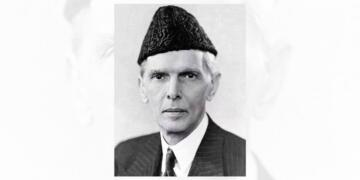
It was on this day that Atal Bihari Vajpayee, one of India’s prominent leaders, created history by addressing the United Nations General Assembly (UNGA) in Hindi for the first time.

In 1977, as India’s External Affairs Minister under the Morarji Desai government, Vajpayee walked up to the UN podium and spoke not in English the language of diplomacy but in the language of India’s heart.

RelatedPosts

UNSC Seat or Propaganda Platform? India Exposes Pakistan’s Habit of Misusing Global Forums

From Nuclear Resolve to Tech Power: Modi Invokes Pokhran Spirit on National Technology Day

Operation Sindoor: India’s Precision Doctrine Exposes Pakistan’s False Flag Narrative at the UN

Load More

With his calm yet commanding presence, Vajpayee’s address marked a turning point in India’s diplomatic identity. For the first time, the world heard Hindi resonate in the chambers of global governance, symbolising India’s civilisational confidence, democratic resurgence, and assertion of linguistic pride.

Vajpayee’s eloquence that day would forever be remembered as the moment when India began to speak in its own voice on the world stage.

Rising from Emergency: India’s Democratic Reawakening

When Vajpayee addressed the UN in 1977, India had just emerged from the dark shadows of Emergency. His speech was not just about global peace and nuclear disarmament it was about India’s moral revival.

“Our people boldly upheld the basic principles, values and aspirations on which the United Nations was founded,” Vajpayee declared, reminding the world that democracy in India had triumphed over dictatorship.

He spoke as the representative of a nation that had rediscovered its freedom, reinforcing that India’s internal democratic victory was also a victory for all nations that cherished liberty.

Vajpayee’s words mirrored the spirit of a rejuvenated India one that refused to be silenced, one that had reaffirmed faith in its Constitution and in the voice of its people.

As he said, “Calculated efforts by forces of darkness and tyranny to destroy democracy were decisively defeated.” That message resonated globally, as India’s peaceful democratic revolution stood as a lesson for the world.

Hindi on Global Stage: A Symbol of Cultural Assertion

Before Vajpayee, every Indian leader addressing the UNGA had spoken in English, but Vajpayee’s decision to speak in Hindi was revolutionary. It wasn’t merely about language it was about reclaiming identity.

By choosing Hindi, Vajpayee sent a powerful message that India would no longer be bound by colonial conventions. It was a statement of confidence, an assertion that India’s ideas, values, and culture deserved to be expressed in its own tongue.

Fluent in both Hindi and English, Vajpayee deliberately elevated Hindi to an international platform. He wanted the world to recognise India not just as a developing country but as a civilisational force.

From that day, every Indian leader began addressing the UN in Hindi, from Prime Minister Narendra Modi to then External Affairs Minister Sushma Swaraj followed the tradition Vajpayee began.

Championing Peace, Non-Alignment, and Global Cooperation

In his 1977 speech, Vajpayee eloquently reaffirmed India’s foundational principles in global diplomacy peace, non-alignment, and cooperation.

“India stands firmly for peace, non-alignment and friendship with all countries,” he said, invoking the ancient Indian vision of Vasudhaiva Kutumbakam the world is one family.

These words carried both philosophical depth and diplomatic weight. Amidst Cold War tensions, Vajpayee positioned India as a moral voice of balance, refusing to align blindly with either superpower.

He envisioned an international order built on justice, equality, and peaceful coexistence. His words reflected India’s timeless ethos rooted in harmony rather than hegemony.

A Consistent Global Voice: From Disarmament to Democracy

Atal Bihari Vajpayee’s engagement with the United Nations was not limited to a single historic address. Between 1977 and 2003, he spoke at the UNGA seven times as both Foreign Minister and Prime Minister each speech reflecting India’s evolving yet principled global outlook.

In 1978, he raised the issue of nuclear disarmament, warning that “the probability of a nuclear war looms over us like a menacing shadow.” As the world raced to amass nuclear arsenals, Vajpayee called for comprehensive and verifiable disarmament arguing that peace could not coexist with proliferation.

Two decades later, in 1998, he returned to the UNGA as Prime Minister, soon after India’s Pokhran-II nuclear tests. But even then, he defended India’s right to self-defence, reminding the world that India was “forced to develop these weapons” because nuclear powers had refused disarmament and regional threats persisted. His balanced approach assertive yet responsible won India global respect.

Exposing the Menace of State-Sponsored Terrorism

After the 9/11 attacks, Vajpayee used his 2001 and 2002 UNGA addresses to highlight what India had long endured state-sponsored terrorism. “We in India know from our own bitter experience that terrorists develop global networks driven by religious extremism,” he warned. He condemned nations that “sponsor and shelter” terrorists, calling for international coordination to dismantle such networks.

In 2002, he went further, warning that in South Asia, “nuclear blackmail has emerged as a new arrow in the quiver of state-sponsored terrorism.” This was a veiled reference to Pakistan’s threats following India’s efforts to combat cross-border terrorism.

Long before the global community fully recognised the nexus between terror and state policy, Vajpayee had foreseen the challenge and urged collective global action.

Challenging the United Nations: A Call for Reform

Vajpayee’s last address to the UNGA in 2003 reflected his realism and foresight. While reiterating faith in the UN, he candidly criticised its inefficiencies.

Citing the example of Iraq, he said, “The United Nations has not always been successful in preventing conflicts or in resolving them.” He called for an urgent overhaul of the UN’s structure and functioning, arguing that “the United Nations does not possess magical powers to solve every crisis.”

His words remain relevant today as India continues to push for UN reforms, including a permanent seat at the Security Council. Vajpayee’s critique was not born out of cynicism, but out of a vision for a more accountable and equitable world order.

Legacy of a Global Statesman

Over the decades, Vajpayee’s contributions at the United Nations came to define India’s global diplomacy principled, independent, and rooted in civilisational wisdom.

As a 10-time Lok Sabha MP, poet, orator, and statesman, Vajpayee combined moral authority with pragmatic leadership. His speeches not only articulated India’s stance but also elevated India’s stature in the world.

He retired from active politics in 2005, and when he passed away on August 16, 2018, India mourned not just a leader but a statesman who made India’s voice heard across continents.

The Man Who Made India Speak for Itself

Atal Bihari Vajpayee’s 1977 address at the United Nations was not merely a speech it was a declaration of India’s sovereign identity. By speaking in Hindi, he symbolically liberated Indian diplomacy from the colonial echo of English dominance.

His words carried the moral strength of a civilisation that has always believed in peace, democracy, and coexistence.

Today, as Indian leaders continue to address the UNGA in Hindi, Vajpayee’s legacy lives on reminding the world that India does not need to borrow a language to make itself heard. When he spoke, it was not just Atal Bihari Vajpayee who addressed the United Nations it was India itself, resurgent, dignified, and eternal.

(This post was originally created on October 8, 2025)
Tags: 1977Atal Bihari Vajpayeeexternal affairs ministerhindiJanata PartyUNGAUnited Nations
ShareTweetSend
Previous Post

December 25 | On This Day in History — Mahatma Gandhi at an RSS Training Camp: A First-Hand Experience

Next Post

Bronze Statue of Korea’s Queen Heo Hwang-ok Unveiled in Ayodhya, Reviving Legend of Indian Princess Suriratna

Related Posts

‘Not Refugees, But Warriors’: Mohan Bhagwat Seeks to Redefine the Legacy of Partition Migrants
History

‘Not Refugees, But Warriors’: Mohan Bhagwat Seeks to Redefine the Legacy of Partition Migrants

2 July 2026

Rashtriya Swayamsevak Sangh (RSS) chief Mohan Bhagwat on Wednesday asserted that those who migrated to India during the 1947...

Samvidhan Hatya Diwas: The Emergency That Put India’s Democracy Under Suspension and Still Divides Memory
History

Samvidhan Hatya Diwas: The Emergency That Put India’s Democracy Under Suspension and Still Divides Memory

25 June 2026

June 25, 1975 remains one of the most defining turning points in India’s constitutional history. The Emergency, declared under...

From Doklam to Siliguri: Why the 2017 Standoff Became a Major Strategic Wake-Up Call for India
Defence

From Doklam to Siliguri: Why the 2017 Standoff Became a Major Strategic Wake-Up Call for India

18 June 2026

In 2017, the Doklam plateau, located near the India-China-Bhutan tri-junction, suddenly began appearing in global headlines. At first glance,...

Load More

Leave a Reply Cancel reply

Your email address will not be published. Required fields are marked *

I agree to the Terms of use and Privacy Policy.
This site is protected by reCAPTCHA and the Google Privacy Policy and Terms of Service apply.

Currently Playing

Mass Detentions and Enforced Disappearances: The Aftermath of July 5

Mass Detentions and Enforced Disappearances: The Aftermath of July 5

00:03:20

What's Really Behind Xinjiang's Global Supply Chains?

00:03:26

IRAN HITS UAE OIL TANKERS

00:03:28

THE CAMPS AFTER URUMQI

00:03:51

BANGKOK PUB FIRE HORROR

00:04:07
Facebook Twitter Instagram Youtube
tfipostTfipost.com
Right Wing | News Analysis | Indian Opinion
  • About us
  • Contact Us
  • Careers
  • Brand Partnerships
  • Terms of use
  • Privacy Policy
  • Sitemap

©2026 TFI Media Private Limited

No Result
View All Result
  • Premium
  • Politics
    • Analysis
    • Opinions
    • Trending
  • Economy
    • Business
    • Finance
  • Defense
    • Defence
    • Strategy
    • Weaponry
  • Geopolitics
    • Africa
    • Americas
    • Asia Pacific
    • Europe
    • South Asia
    • West Asia
  • Knowledge
    • Culture
    • History
    • Indology
  • Law
  • Lounge
    • Books
    • Cinema
    • Food
    • Health
    • Sports
    • technology
    • Travel
    • Satire
TFIPOST हिन्दी
TFIPOST Global

©2026 TFI Media Private Limited