


















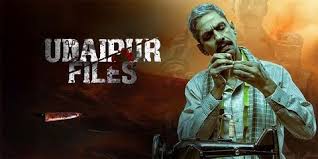
The upcoming film Udaipur Files: Kanhaiya Lal Tailor Murder is set to hit theatres on Friday, July 11. Based on the brutal killing of tailor Kanhaiya Lal in Udaipur in 2022, the film has already sparked controversy. The Islamic outfit Jamiat Ulama-i-Hind has approached multiple High Courts and even the Supreme Court to seek a ban on the film, citing concerns about religious harmony. In response, the Vishwa Hindu Parishad (VHP) has come out in strong defence of the film, accusing Jamiat of hypocrisy and shielding radicalism.
Legal Drama Over Film Release
On July 5, Jamiat Ulama-i-Hind President Arshad Madani announced that the organisation had filed petitions in various High Courts including Delhi, Gujarat, and Maharashtra to stop the release of Udaipur Files. The film, starring Vijay Raaz and directed by Bharat S Shrinate, depicts the horrific murder of Kanhaiya Lal by Islamic extremists Muhammad Riyaz Attari and Muhammad Ghaus. The attack occurred after Lal had expressed support for former BJP spokesperson Nupur Sharma.
Madani claimed the film contains blasphemous content, including Sharma’s controversial remarks, and warned that its release could disrupt peace and incite unrest. He argued that the film’s portrayal of Deoband as a hub of radicalism and its critical depiction of Islamic scholars was inflammatory. Furthermore, he cited violations of Articles 14, 15, and 21 of the Constitution, alleging that the film maligns the Muslim community.
A Long History of Defending the Accused
This is not the first time Jamiat Ulama-i-Hind has intervened in high-profile cases. The organisation’s legal cell, set up in 2007 by Arshad Madani, has taken up the defence of over 700 terror accused. This includes those involved in major cases such as the 26/11 Mumbai attacks, the 2006 Malegaon blasts, the Aurangabad arms haul, and the Ahmedabad serial blasts.
Most of these acquittals were not based on innocence but stemmed from technicalities or poor investigations. Jamiat has also extended legal aid to Indian Mujahideen terrorists, ISIS conspirators, and even Al-Qaeda operatives. The group offered legal and financial support to the killers of Hindu leader Kamlesh Tiwari and to 49 terrorists convicted in the 2008 Ahmedabad blasts that killed 56 people.
VHP Slams Jamiat for Protecting Extremism
The Vishwa Hindu Parishad has vocally condemned Jamiat’s attempt to suppress Udaipur Files. VHP spokesperson Amitosh Parik accused the Islamic outfit of consistently shielding radicals and objecting to any attempt to expose the truth. Parik said that just like The Kashmir Files and The Kerala Story, Udaipur Files is an important narrative that reveals the harsh reality of religious extremism in India.
He questioned Jamiat’s intent: “If this film exposes the jihadi mindset behind Kanhaiya Lal’s murder, why should it be banned? Is the truth hurting them?” Parik stated that films serve as mirrors of society, and suppressing them under the pretext of maintaining harmony is nothing but a betrayal of truth.
He further emphasized that the film does not spread hatred but simply showcases the brutal reality of a man murdered for his beliefs. “The public has a right to know what happened. This is not fiction. It’s a documented truth with real consequences,” Parik said.
A Fight Between Truth and Suppression
Udaipur Files is not just a film but a medium to spotlight the ideological extremism that led to a horrific killing. The movie depicts how Kanhaiya Lal was targeted, his murder recorded and circulated to spread fear. VHP insists that denying people access to this story is akin to shielding those responsible.
Jamiat’s move to ban the film, according to the VHP, reeks of an agenda to suppress narratives that expose uncomfortable truths. The Hindu organisation has also urged the Supreme Court to reject Jamiat’s petition, citing that justice and transparency must prevail in a democratic society.
Parik also added, “Why is there no outcry when Hindu sentiments are insulted in films or shows? But when a movie dares to expose jihadist crimes, all hell breaks loose. This is not about religious sentiments; this is about protecting radicalism under the guise of peace.”
The Nation Deserves to Know
The case of Kanhaiya Lal’s murder is not an isolated incident it is a chilling reflection of religious radicalism and intolerance. A film that documents this heinous crime should not be silenced by legal theatrics or ideological agendas. While Jamiat Ulama-i-Hind claims to protect communal harmony, its record of defending convicted terrorists tells a different story. The VHP is right to demand that the truth be allowed to reach the people.
In a democracy, the public must be trusted with the truth, however uncomfortable it may be. Udaipur Files deserves to be released not to incite, but to inform. To show the country what religious extremism can lead to, and why it must be stopped in its tracks.





