




















TFIPOST हिन्दी
TFIPOST Global
Tfipost.com
Tfipost.com
No Result
View All Result
  • Premium
  • Politics
    • All
    • Analysis
    • Opinions
    • Trending
    Rajasthan Civic Polls 2026: BJP Extends Its Dominance Across Urban Rajasthan

    Rajasthan Civic Polls 2026: BJP Extends Its Dominance Across Urban Rajasthan

    Why Ladakh’s Statehood Movement Is Shifting Gears

    Why Ladakh’s Statehood Movement Is Shifting Gears

    Bhaskar Report: Bihar Coaching Hub Under Fire Over Alleged Student Brainwashing

    Bhaskar Report: Bihar Coaching Hub Under Fire Over Alleged Student Brainwashing

    UK Break-Up Fears Rise as Nations Seek Self-Determination

    UK Break-Up Fears Rise as Nations Seek Self-Determination

    • Analysis
    • Opinions
    • Trending
  • Economy
    • All
    • Business
    • Economy1
    • Finance
    Money Back Plan for Parents: A Smart Way to Plan for Your Child’s Future

    Money Back Plan for Parents: A Smart Way to Plan for Your Child’s Future

    Need a bank account today? Open one online in minutes

    Need a bank account today? Open one online in minutes

    Do You Still Need Term Insurance If You Have ₹50 Lakh Employer Cover?

    Do You Still Need Term Insurance If You Have ₹50 Lakh Employer Cover?

    What the UAE’s 2026 Corporate Tax Rules Actually Mean for a Free Zone Company

    What the UAE’s 2026 Corporate Tax Rules Actually Mean for a Free Zone Company

    • Business
    • Finance
  • Defense
    • All
    • Defence
    • Strategy
    • Weaponry
    CNS Adm Krishna Swaminathan Visits New Zealand to Deepen Maritime Ties with RNZN

    CNS Adm Krishna Swaminathan Visits New Zealand to Deepen Maritime Ties with RNZN

    Chinese Troop Levels at LAC Fall as MoD Report Details Operation Sindoor Strikes

    Chinese Troop Levels at LAC Fall as MoD Report Details Operation Sindoor Strikes

    INS Kulish Arrives at Cambodia’s Ream Naval Base Under Eastern Fleet Deployment

    INS Kulish Arrives at Cambodia’s Ream Naval Base Under Eastern Fleet Deployment

    The Missing Layer: How Russia’s Pantsir-S1M Would Plug India’s S-400 Gap

    The Missing Layer: How Russia’s Pantsir-S1M Would Plug India’s S-400 Gap

    • Defence
    • Strategy
    • Weaponry
  • Geopolitics
    • All
    • Africa
    • Americas
    • Asia Pacific
    • Europe
    • South Asia
    • West Asia
    CIA Files Declassified for 9/11 Anniversary Reveal Bin Laden Eyed India as Target Years Before 2001 Attacks

    CIA Files Declassified for 9/11 Anniversary Reveal Bin Laden Eyed India as Target Years Before 2001 Attacks

    World Leaders Head Home as BRICS Summit Wraps Up in Delhi

    World Leaders Head Home as BRICS Summit Wraps Up in Delhi

    Modi Calls for “Concrete Results” as BRICS Wraps Up in Delhi, Hands Chairship to China

    Modi Calls for “Concrete Results” as BRICS Wraps Up in Delhi, Hands Chairship to China

    Between the Sessions: Millets, Mithai and a Malaysian PM Who Loves His Bollywood

    Between the Sessions: Millets, Mithai and a Malaysian PM Who Loves His Bollywood

    • Africa
    • Americas
    • Asia Pacific
    • Europe
    • South Asia
    • West Asia
  • Knowledge
    • All
    • Culture
    • Education
    • History
    • Indology
    What Skills Will You Gain from a Strategic Leadership Course

    What Skills Will You Gain from a Strategic Leadership Course

    Young Indian Gen Z exploring Sanatan Dharma through smartphones, social media and the Bhagavad Gita

    Ancient Roots, Digital Minds: The Rise of Sanatani Gen Z

    Break into QA Jobs Faster with Automation Testing Course from StarAgile

    Break into QA Jobs Faster with Automation Testing Course from StarAgile

    Which JEE Online Coaching Is Best for JEE Mains 2027?

    Which JEE Online Coaching Is Best for JEE Mains 2027?

    • Culture
    • History
    • Indology
  • Law
  • Lounge
    • All
    • Books
    • Cinema
    • Entertainment
    • Food
    • Games
    • Health
    • Lifestyle
    • Satire
    • Sports
    • technology
    • Travel
    Champions With Principles: India’s Women Show the World How to Win With Dignity

    Champions With Principles: India’s Women Show the World How to Win With Dignity

    How Sports Betting Changed My Understanding of Risk in Indian Politics

    How Sports Betting Changed My Understanding of Risk in Indian Politics

    How Mobile Proxies Engine Global Media Monitoring and International OSINT Pipelines

    How Mobile Proxies Engine Global Media Monitoring and International OSINT Pipelines

    Digital Sovereignty and Telecommunications Privacy: Safeguarding Personal Identifiers in Modern Geopolitics

    Digital Sovereignty and Telecommunications Privacy: Safeguarding Personal Identifiers in Modern Geopolitics

    • Books
    • Cinema
    • Food
    • Health
    • Sports
    • technology
    • Travel
    • Satire
Tfipost.com
  • Premium
  • Politics
    • All
    • Analysis
    • Opinions
    • Trending
    Rajasthan Civic Polls 2026: BJP Extends Its Dominance Across Urban Rajasthan

    Rajasthan Civic Polls 2026: BJP Extends Its Dominance Across Urban Rajasthan

    Why Ladakh’s Statehood Movement Is Shifting Gears

    Why Ladakh’s Statehood Movement Is Shifting Gears

    Bhaskar Report: Bihar Coaching Hub Under Fire Over Alleged Student Brainwashing

    Bhaskar Report: Bihar Coaching Hub Under Fire Over Alleged Student Brainwashing

    UK Break-Up Fears Rise as Nations Seek Self-Determination

    UK Break-Up Fears Rise as Nations Seek Self-Determination

    • Analysis
    • Opinions
    • Trending
  • Economy
    • All
    • Business
    • Economy1
    • Finance
    Money Back Plan for Parents: A Smart Way to Plan for Your Child’s Future

    Money Back Plan for Parents: A Smart Way to Plan for Your Child’s Future

    Need a bank account today? Open one online in minutes

    Need a bank account today? Open one online in minutes

    Do You Still Need Term Insurance If You Have ₹50 Lakh Employer Cover?

    Do You Still Need Term Insurance If You Have ₹50 Lakh Employer Cover?

    What the UAE’s 2026 Corporate Tax Rules Actually Mean for a Free Zone Company

    What the UAE’s 2026 Corporate Tax Rules Actually Mean for a Free Zone Company

    • Business
    • Finance
  • Defense
    • All
    • Defence
    • Strategy
    • Weaponry
    CNS Adm Krishna Swaminathan Visits New Zealand to Deepen Maritime Ties with RNZN

    CNS Adm Krishna Swaminathan Visits New Zealand to Deepen Maritime Ties with RNZN

    Chinese Troop Levels at LAC Fall as MoD Report Details Operation Sindoor Strikes

    Chinese Troop Levels at LAC Fall as MoD Report Details Operation Sindoor Strikes

    INS Kulish Arrives at Cambodia’s Ream Naval Base Under Eastern Fleet Deployment

    INS Kulish Arrives at Cambodia’s Ream Naval Base Under Eastern Fleet Deployment

    The Missing Layer: How Russia’s Pantsir-S1M Would Plug India’s S-400 Gap

    The Missing Layer: How Russia’s Pantsir-S1M Would Plug India’s S-400 Gap

    • Defence
    • Strategy
    • Weaponry
  • Geopolitics
    • All
    • Africa
    • Americas
    • Asia Pacific
    • Europe
    • South Asia
    • West Asia
    CIA Files Declassified for 9/11 Anniversary Reveal Bin Laden Eyed India as Target Years Before 2001 Attacks

    CIA Files Declassified for 9/11 Anniversary Reveal Bin Laden Eyed India as Target Years Before 2001 Attacks

    World Leaders Head Home as BRICS Summit Wraps Up in Delhi

    World Leaders Head Home as BRICS Summit Wraps Up in Delhi

    Modi Calls for “Concrete Results” as BRICS Wraps Up in Delhi, Hands Chairship to China

    Modi Calls for “Concrete Results” as BRICS Wraps Up in Delhi, Hands Chairship to China

    Between the Sessions: Millets, Mithai and a Malaysian PM Who Loves His Bollywood

    Between the Sessions: Millets, Mithai and a Malaysian PM Who Loves His Bollywood

    • Africa
    • Americas
    • Asia Pacific
    • Europe
    • South Asia
    • West Asia
  • Knowledge
    • All
    • Culture
    • Education
    • History
    • Indology
    What Skills Will You Gain from a Strategic Leadership Course

    What Skills Will You Gain from a Strategic Leadership Course

    Young Indian Gen Z exploring Sanatan Dharma through smartphones, social media and the Bhagavad Gita

    Ancient Roots, Digital Minds: The Rise of Sanatani Gen Z

    Break into QA Jobs Faster with Automation Testing Course from StarAgile

    Break into QA Jobs Faster with Automation Testing Course from StarAgile

    Which JEE Online Coaching Is Best for JEE Mains 2027?

    Which JEE Online Coaching Is Best for JEE Mains 2027?

    • Culture
    • History
    • Indology
  • Law
  • Lounge
    • All
    • Books
    • Cinema
    • Entertainment
    • Food
    • Games
    • Health
    • Lifestyle
    • Satire
    • Sports
    • technology
    • Travel
    Champions With Principles: India’s Women Show the World How to Win With Dignity

    Champions With Principles: India’s Women Show the World How to Win With Dignity

    How Sports Betting Changed My Understanding of Risk in Indian Politics

    How Sports Betting Changed My Understanding of Risk in Indian Politics

    How Mobile Proxies Engine Global Media Monitoring and International OSINT Pipelines

    How Mobile Proxies Engine Global Media Monitoring and International OSINT Pipelines

    Digital Sovereignty and Telecommunications Privacy: Safeguarding Personal Identifiers in Modern Geopolitics

    Digital Sovereignty and Telecommunications Privacy: Safeguarding Personal Identifiers in Modern Geopolitics

    • Books
    • Cinema
    • Food
    • Health
    • Sports
    • technology
    • Travel
    • Satire
No Result
View All Result
Tfipost.com
Tfipost.com
No Result
View All Result
  • Premium
  • Politics
  • Economy
  • Defense
  • Geopolitics
  • Knowledge
  • Law
  • Lounge

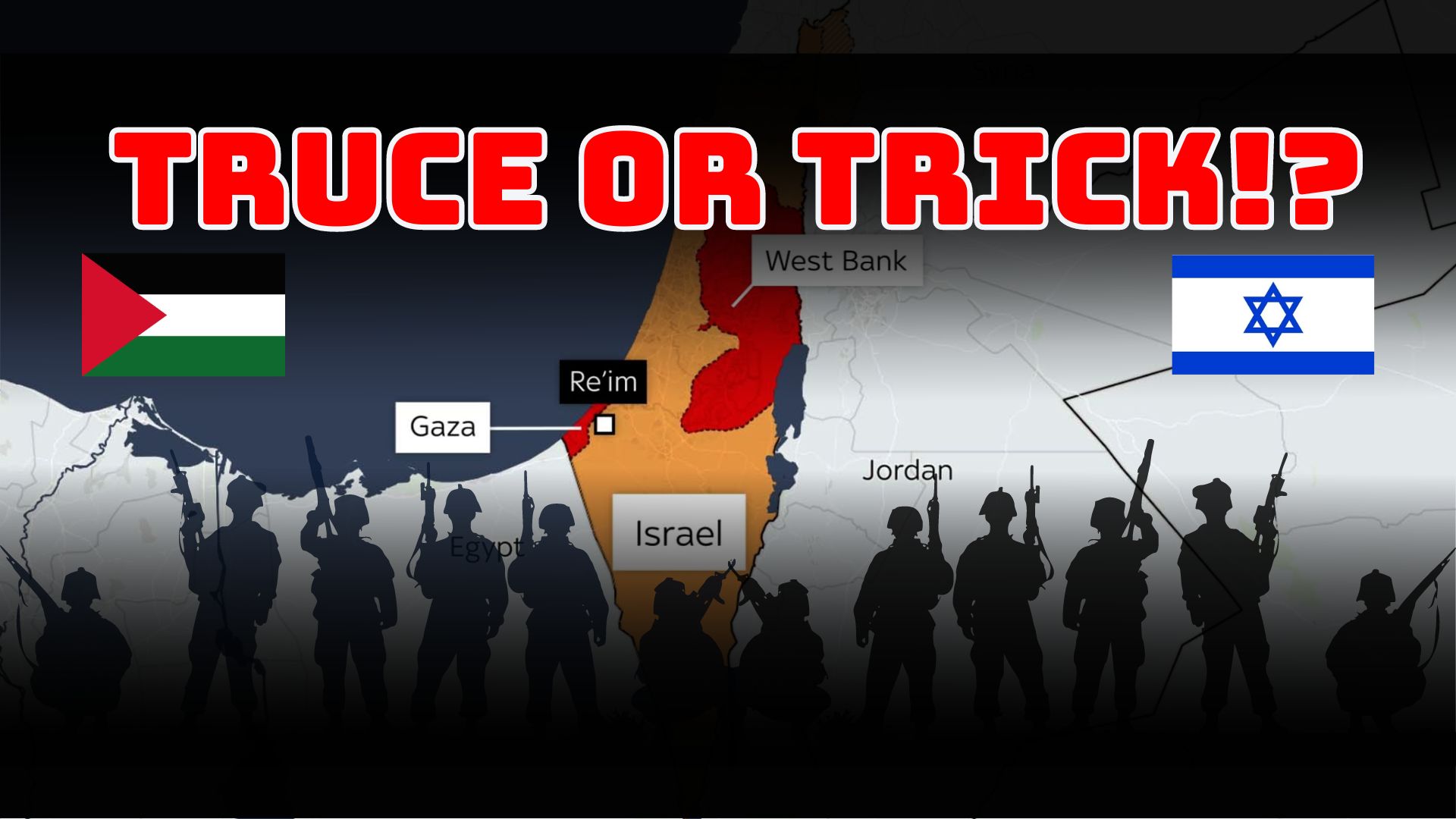
Hamas’ Proposal: A Truce or A Trojan Horse?

Muskan Goel by Muskan Goel
8 February 2024
in Geopolitics, Trending
Hamas, Israel, War, Truce, Netanyahu, Gaza, Blinken, Ceasefire
Share on FacebookShare on X

The ongoing conflict between Israel and Palestine, particularly in the Gaza Strip, has deep historical roots and complex dynamics. Tracing back to early 20th-century tensions over territorial claims, the situation has evolved into a protracted struggle marked by sporadic violence and political impasses. In this analysis, we delve into the perspectives, negotiations, and quest for peace amidst escalating tensions. Critical participants, including Israeli Prime Minister Benjamin Netanyahu, Hamas representatives, and international mediators, navigate a delicate balance of power and interests. Against a backdrop of rejected ceasefires, military operations, and diplomatic efforts, the region grapples with profound humanitarian crises and geopolitical ramifications. Understanding the multifaceted nature of the conflict is essential for discerning paths toward reconciliation and sustainable peace.

Background

The Israel-Palestinian conflict traces back to the demand for a Jewish homeland in Palestine before World War I, fueled by waves of Jewish migration and backed by the Balfour Declaration of 1917. In 1947, the UN proposed a partition plan for Palestine, leading to conflict between Arab and Jewish groups. In 1948, Israel declared statehood, sparking the Arab-Israeli War, resulting in Israel’s establishment and territorial gains. The 1967 Six-Day War further expanded Israeli control, capturing the West Bank from Jordan and Gaza Strip from Egypt.

RelatedPosts

Zohran Mamdani Under Fire

Modi-Trump Talks Take Centre Stage at G7 as India Pushes Trust-Based Global Order

Why Russia Trusts India: Putin Dismisses Western Pressure on Modi, Backs New Delhi’s Independent Foreign Policy

Load More

The Oslo Accords of 1993 allowed for the establishment of the Palestinian Authority in the West Bank and Gaza Strip. However, internal strife ensued, with Hamas seizing control of Gaza in 2006. Presently, Hamas governs Gaza while Fatah controls the West Bank, each with differing relations with Israel. Despite numerous peace efforts, the conflict remains unresolved, marked by sporadic violence and ongoing political tensions.

Key Players

Benjamin Netanyahu, the Israeli Prime Minister, has staunchly rejected a proposed ceasefire in Gaza by Hamas, emphasizing the pursuit of “absolute victory” over the militant group instead. Netanyahu rebuffed US pressure, indicating a willingness to continue military operations in Rafah, Gaza, despite concerns over civilian casualties. He asserted that Hamas’s collapse is necessary for any resolution and ruled out leaving Hamas in control of Gaza, despite international apprehension about potential war crimes.

Hamas, represented by senior official Khalil al-Hayya, has sought negotiations in Cairo, mediated by Egypt and Qatar. Their proposed three-phase plan includes prisoner exchanges, Gaza reconstruction, and a gradual ceasefire over 135 days. Hamas views Netanyahu’s actions as genocidal and aims to secure the release of Palestinian prisoners and end the conflict.

The United States, led by Secretary of State Antony Blinken, has engaged in diplomatic efforts to broker a ceasefire and larger settlement. Blinken expressed optimism about the potential for agreement, noting Hamas’s willingness to negotiate hostages’ release and the ceasefire proposal. However, Netanyahu’s opposition to Palestinian statehood complicates broader peace negotiations. Egypt has facilitated talks between Israel and Hamas, aiming to achieve calm in Gaza.

Rejected Ceasefire and Military Operations

Benjamin Netanyahu rejected the proposed ceasefire in Gaza by Hamas, asserting that Israel seeks “absolute victory” over the militant group, dismissing US pressure for a mediated settlement. He affirmed Israel Defense Forces’ commencement of operations in Rafah, indicating intent to escalate military actions despite international concerns about civilian casualties. Netanyahu’s stance reflects a refusal to consider any arrangement leaving Hamas in control, emphasizing military collapse as the sole solution.
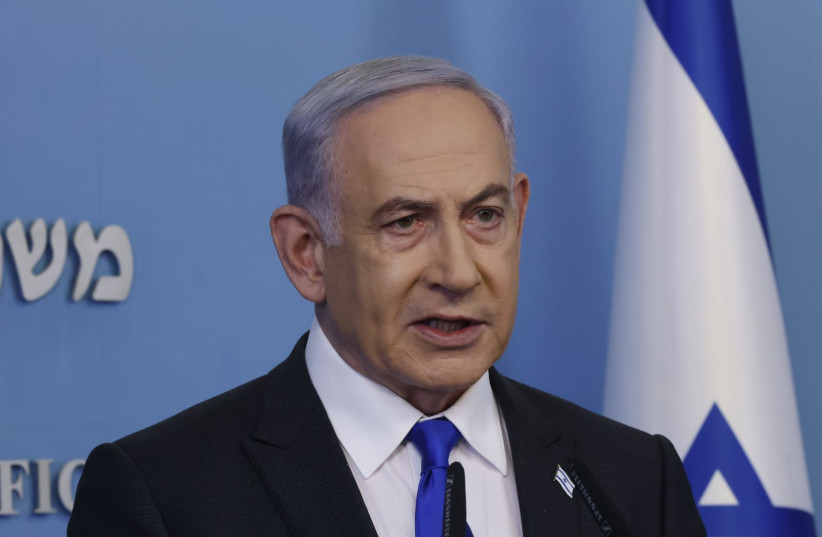
Netanyahu: Israel ordered IDF to begin operating in Gaza's Rafah - The  Jerusalem Post
Source: Web

The confirmed IDF operations in Rafah signify Israel’s determination to pursue military objectives despite mounting international apprehension. This move raises concerns about potential large-scale loss of civilian lives and accusations of war crimes, particularly as the conflict exacerbates the humanitarian crisis in Gaza. Netanyahu’s rejection of US-backed ceasefire efforts highlights strained international relations and divergent approaches to resolving the conflict.

Continued military action not only deepens humanitarian crises in Gaza but also complicates efforts for a sustainable ceasefire and broader regional stability. Netanyahu’s opposition to Palestinian statehood and reluctance to make concessions risk destabilizing his hawkish governing coalition and straining relations with key allies like the US. The deadlock in negotiations underscores the complex dynamics of the Israeli-Palestinian conflict, with implications for regional security and the pursuit of a lasting peace settlement.

International Response and Mediation Efforts

The ongoing conflict between Israel and Hamas in Gaza has sparked international concern, prompting diplomatic efforts to broker a ceasefire. Despite pressure from the United States and other mediators, Israeli Prime Minister Benjamin Netanyahu has rejected Hamas’s proposed ceasefire terms, emphasizing a commitment to achieving “absolute victory” over the militant group. Netanyahu’s stance indicates a preference for continued military operations, with recent instructions for the Israel Defense Forces to commence operations in the city of Rafah.

Antony Blinken, the US Secretary of State, has been actively involved in negotiation efforts. He acknowledges the significant challenges in bridging the gap between Israel and Hamas but remains optimistic about the possibility of reaching an agreement. Blinken views Hamas’s proposal as offering an opportunity for further negotiations, despite some “clear non-starters” within it. He emphasizes relentless efforts to achieve a ceasefire agreement.

US remains hopeful for Palestine: Antony Blinken tries to negotiate while  Netanyahu vows to eliminate Hamas | Mint
Source: Web

Hamas’s proposal outlines a detailed three-phase plan aimed at ending the conflict over four and a half months. The plan, presented through Qatari and Egyptian mediators, involves the exchange of hostages, Palestinian prisoner releases, reconstruction efforts in Gaza, and the withdrawal of Israeli forces. Each phase of the truce is set to last 45 days, with provisions for the release of hostages, exchange of bodies, and potential agreements on ending the war. While some mediators view the proposal positively as a sign of Hamas’s willingness to engage in negotiations, Netanyahu rejects it, asserting that surrendering to Hamas’s conditions would lead to further tragedy for Israel.

Critical elements of the negotiation include the release of hostages held by both sides and the exchange of prisoners. Previous truces have involved the release of Israelis in exchange for Palestinian prisoners, but the new proposal includes more hardened militants, which presents a significant hurdle in the negotiations.

The conflict, initiated by Hamas’s attack on Israel in October, has resulted in significant casualties and displacement, with thousands of Palestinians killed and millions displaced. International stakeholders are concerned about the humanitarian crisis in Gaza, with calls for increased aid and a cessation of hostilities to alleviate the suffering of civilians.

The diplomatic efforts face challenges due to the divergent goals and positions of the parties involved. While mediators seek a ceasefire and long-term solutions, Netanyahu’s government remains wary of concessions that could jeopardize Israel’s security or undermine its sovereignty. Despite these obstacles, international pressure persists for a peaceful resolution to the conflict.

Political Implications and Challenges

Israeli Prime Minister Benjamin Netanyahu’s rejection of Hamas’s proposed ceasefire and his insistence on pursuing “absolute victory” over the militant group reflect not only strategic considerations but also his political motivations. Facing plummeting public approval ratings, Netanyahu is under pressure to project strength and resolve in handling the Gaza conflict. By rejecting ceasefire terms perceived as capitulation to Hamas, he seeks to rally domestic support and bolster his political standing, particularly within his hawkish governing coalition.

Netanyahu’s reluctance to entertain negotiations that may lead to concessions, such as agreeing to a Palestinian statehood, is driven by his longstanding opposition to the establishment of an independent Palestinian state. This opposition stems from his conservative political ideology and concerns about the security implications of a sovereign Palestinian entity. Any perceived concessions on this issue could jeopardize Netanyahu’s coalition government, particularly given the presence of right-wing parties staunchly opposed to Palestinian statehood.

Reaching a negotiated settlement in the Israel-Hamas conflict is further complicated by the entrenched positions of the parties involved. Hamas, designated as a terrorist organization by Israel and several other countries, remains committed to its goal of “liberating” Palestinian territories, including Israel, through armed struggle. On the other hand, Netanyahu’s government prioritizes Israel’s security interests and is wary of concessions that may compromise its sovereignty or embolden militant groups.

Moreover, the broader geopolitical dynamics, including regional power struggles and the involvement of external actors, add layers of complexity to the negotiation process. Efforts to broker a ceasefire and achieve a lasting peace are hindered by divergent interests, historical grievances, and deep-seated mistrust between Israelis and Palestinians.

Despite the challenges, international pressure persists for a diplomatic resolution to the conflict, driven by concerns about the humanitarian toll and the destabilizing impact of prolonged violence on the region. However, achieving a negotiated settlement will require overcoming entrenched positions, addressing core grievances, and building trust between the parties involved.

In conclusion, the conflict between Israel and Hamas in Gaza persists amid staunch positions and complex political motivations. Benjamin Netanyahu’s rejection of ceasefire proposals reflects domestic political pressures and deep-seated security concerns. Despite diplomatic efforts led by Antony Blinken and mediation by Egypt and Qatar, achieving a lasting peace remains elusive. The humanitarian toll continues to mount, necessitating urgent action to alleviate suffering and prevent further escalation. Resolving this entrenched conflict demands genuine dialogue, mutual concessions, and international cooperation. While the road to peace is challenging, sustained efforts toward de-escalation and addressing underlying grievances offer hope for a more stable and prosperous future for both Israelis and Palestinians.

Also Read: From Reserves to Revenue:  India’s Oil Cavern Lease with Abu Dhabi

Tags: BlinkenGazaHamasIsraelNetanyahuTruceWar
ShareTweetSend
Previous Post

From Healthcare to Energy: The Versatile Applications of Data Analytics and Engineering

Next Post

India’s Eco-Warriors: Leading the World Towards Sustainability

Related Posts

Bhaskar Report: Bihar Coaching Hub Under Fire Over Alleged Student Brainwashing
Trending

Bhaskar Report: Bihar Coaching Hub Under Fire Over Alleged Student Brainwashing

14 September 2026

A Bhaskar report has raised explosive questions over what it describes as alleged ideological conditioning of students in Bihar’s...

UK Break-Up Fears Rise as Nations Seek Self-Determination
Trending

UK Break-Up Fears Rise as Nations Seek Self-Determination

14 September 2026

The possibility of a Break-Up of the United Kingdom has returned to the centre of political debate after the...

Bengal Government Orders Closure of 252 Madarsas After Statewide Survey
Trending

Bengal Government Orders Closure of 252 Madarsas After Statewide Survey

14 September 2026

The Bengal Government has ordered the closure of 252 madarsas across the state following a statewide survey into unaided...

Load More

Leave a Reply Cancel reply

Your email address will not be published. Required fields are marked *

I agree to the Terms of use and Privacy Policy.
This site is protected by reCAPTCHA and the Google Privacy Policy and Terms of Service apply.

Currently Playing

Beginning Of Saudi Arabia's End ? A Case Study...

Beginning Of Saudi Arabia's End ? A Case Study...

00:16:00

₹2 Crore Film, ₹143 Crore Hit: The ‘Hanuman Ansh’ Box Office Shock

00:02:46

Who Is Major Rishabh Sambhyal? The Army Officer Who Became a Social Media Sensation

00:03:34

The Missing 54: What Happened to India’s Soldiers After the 1965 & 1971 Wars | POW | Indo-Pak

00:04:43

J-20 vs India: How Super Sukhoi, Rafale & AMCA Could Counter China’s Stealth Fleet | IAF | HAL

00:03:32
Facebook Twitter Instagram Youtube
tfipostTfipost.com
Right Wing | News Analysis | Indian Opinion
  • About us
  • Contact Us
  • Careers
  • Brand Partnerships
  • Terms of use
  • Privacy Policy
  • Sitemap

©2026 TFI Media Private Limited

No Result
View All Result
  • Premium
  • Politics
    • Analysis
    • Opinions
    • Trending
  • Economy
    • Business
    • Finance
  • Defense
    • Defence
    • Strategy
    • Weaponry
  • Geopolitics
    • Africa
    • Americas
    • Asia Pacific
    • Europe
    • South Asia
    • West Asia
  • Knowledge
    • Culture
    • History
    • Indology
  • Law
  • Lounge
    • Books
    • Cinema
    • Food
    • Health
    • Sports
    • technology
    • Travel
    • Satire
TFIPOST हिन्दी
TFIPOST Global

©2026 TFI Media Private Limited