




















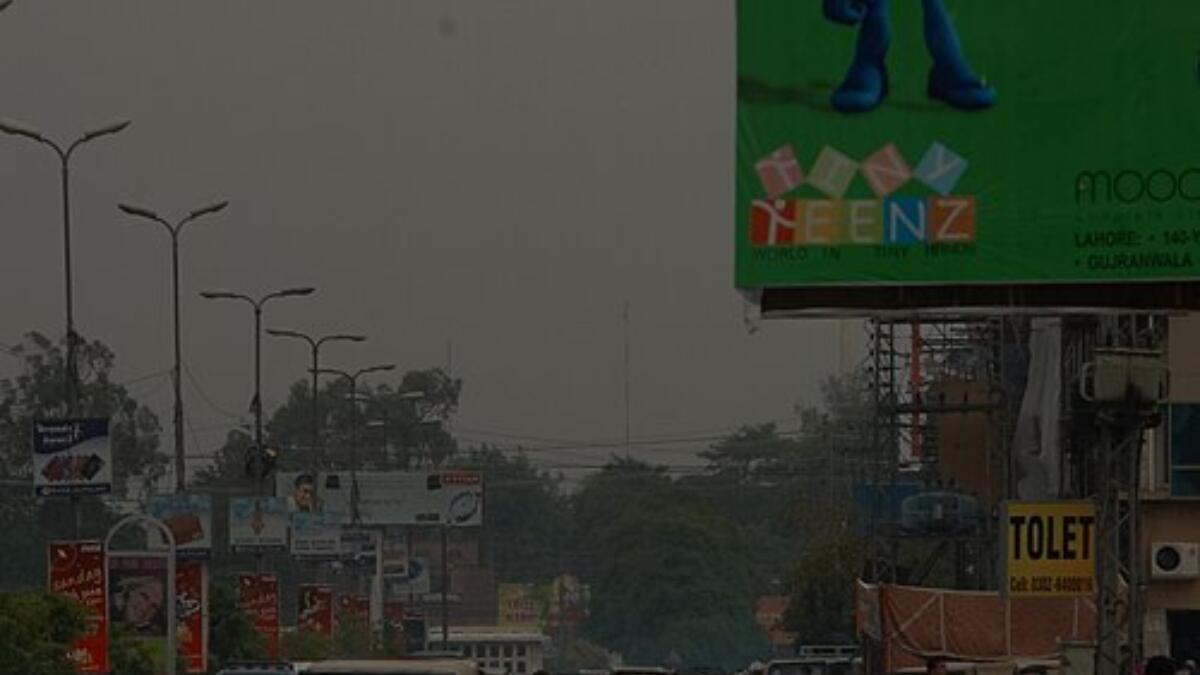
Pakistan’s Punjab government has pinned the toxic air over Lahore on firecrackers set off during India’s Diwali celebrations. An assessment by a Pakistani air-quality group released the next day found the evidence did not support that claim, and the dispute has reopened questions about how much of the city’s smog is made at home.
The accusation
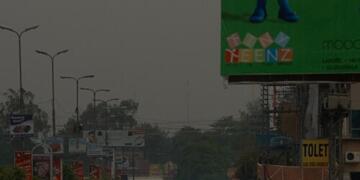
Punjab Senior Minister Marriyum Aurangzeb said on November 9 that pollutants from India had travelled toward Pakistan on light easterly winds after Diwali on November 8. She cited pollution readings from Indian Punjab locations including Amritsar, Jalandhar, Ludhiana and Bathinda. Lahore topped IQAir’s ranking of the world’s most polluted major cities for a second day on Tuesday, with an air quality index of 263, classed as “very unhealthy.” Its fine-particle concentration was 37.2 times the WHO annual guideline.
What Pakistan’s own monitors found
The Pakistan Air Quality Initiative (PAQI) did not back the minister. Of 48 air-mass trajectories arriving in Lahore, Kasur and Sialkot between Sunday and Tuesday, 45 had passed over Indian territory in the preceding 12 hours. But Lahore’s average PM2.5 rose only 10% against the previous seven days, while Faisalabad and Multan, further inland, rose 40%, a pattern that did not support the explanation of pollution crossing the border. PAQI added that separating fireworks emissions from agricultural smoke would need chemical analysis for potassium, strontium and barium, which Pakistani monitoring stations did not measure. In other words, the government made a specific accusation without the data that could prove it.
The same assessment pointed to sources inside Pakistan. PAQI detected 16,714 likely crop-residue fires in Punjab between October 1 and Monday, and said stagnant weather and poor dispersion let pollutants build up over Lahore.
A familiar pattern
Critics say the blame has become routine. Pakistan similarly attributed its toxic air in 2024 to crop-waste burning in Indian Punjab, but India’s weather department said at the time that the wind direction meant the airflow ran from Pakistan into India. Last year the pattern repeated. After Diwali, the Punjab government blamed cross-border pollution from India, while Lahore police arrested 83 people for emissions from factories and burning tyres and waste. That arrest figure is the point critics make: the domestic sources the authorities were policing are the ones that tend to disappear from the official explanation.
The timing adds to the scepticism. Pakistan’s Punjab environment department had warned on Sunday, before the readings came in, that fireworks smoke could reach Lahore within five to 13 hours depending on wind. The blame was in place before the evidence.
The other side
The picture is not one-sided. PAQI’s own analysis found that air did travel from India toward Lahore, and it concluded only that this does not establish fireworks as the cause. Indian Punjab recorded 4,657 stubble-burning incidents up to Monday, and pollution can cross the border, though identifying individual sources takes more than tracking wind direction. India’s own capital has been struggling too, with Delhi’s AQI at 307, in the “very poor” category. Pakistani officials say warning residents about drifting smoke is a public-health duty, and the claim, though unproven, is not shown to be false. Independent analysis of both countries’ emissions, and shared monitoring, is what could settle it.