





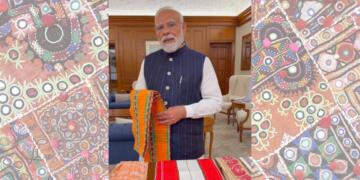





Prime Minister Narendra Modi spoke by phone with Nepal’s Prime Minister Balendra Shah on Wednesday, conveying condolences over the loss of lives in devastating flash floods that have swept through northern Nepal and pledging India’s full humanitarian support.
In a post on social media platform X, Modi said he had spoken with Shah and offered condolences over the deaths, adding that “the people of India stand in solidarity with their sisters and brothers in Nepal at this difficult time.” He said India was “ready to provide all possible humanitarian assistance to Nepal” and that rescue and relief teams from both countries were coordinating closely.
Scale of the disaster
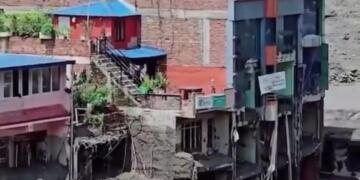
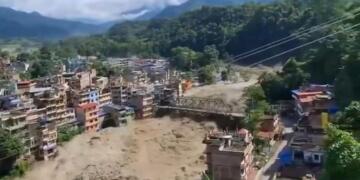
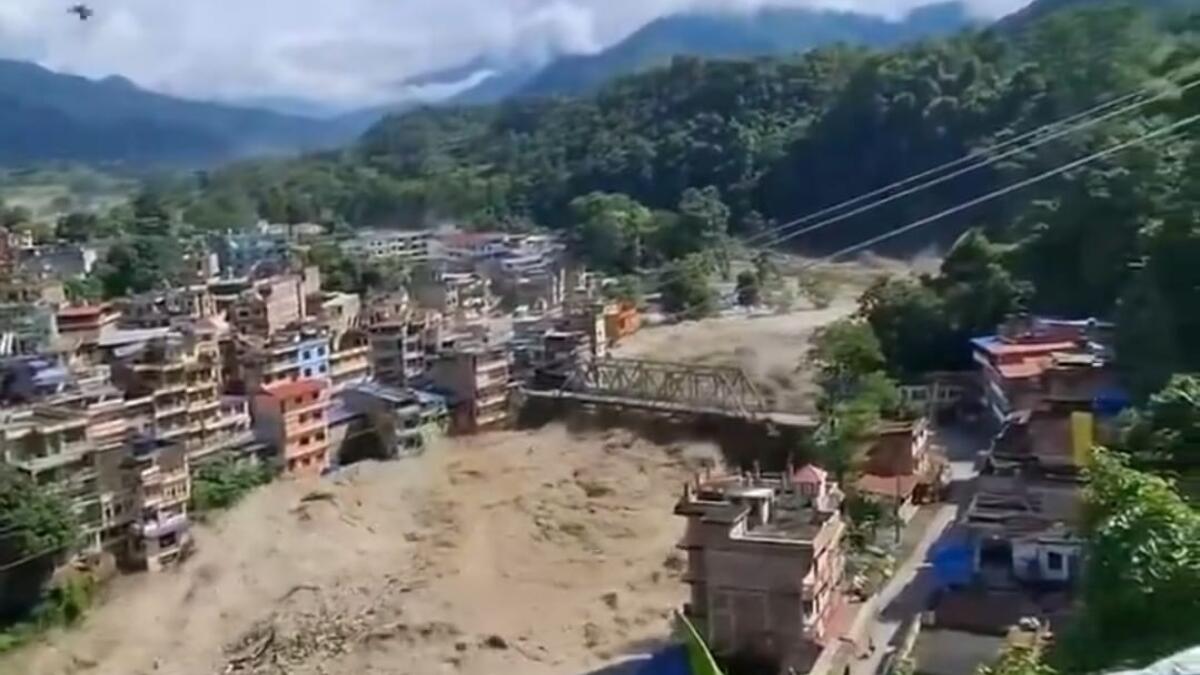
A sudden and powerful flash flood tore through the Bhote Koshi River in Nepal’s Rasuwa district, near the border with Tibet, on Wednesday morning, devastating settlements along the riverbanks. Early reports put the confirmed death toll at seven, with dozens more feared dead and hundreds unaccounted for as rescue operations continued through the day. Nepal’s Tourism Board said 384 tourists — 291 foreign nationals and 93 Nepali citizens — had been reported missing, including 105 Indian nationals along with visitors from the United Kingdom, Australia, the United States, Malaysia, South Africa and the Netherlands.
The floodwaters are reported to have washed away roughly 19 bridges and around 40 kilometres of roads, damaged at least a dozen hydropower projects, and destroyed or damaged numerous homes. Border crossings with China in the area have been closed as a precaution. Authorities have warned residents downstream along the Trishuli river — spanning the Rasuwa, Nuwakot, Dhading, Gorkha and Chitwan districts — to move to safer ground as the flood surge moves further south.
India’s rescue and relief response
The Indian Embassy in Kathmandu said it has remained in close touch with Nepali authorities to expedite the rescue of Indian nationals caught in the disaster. Officials in New Delhi said India is preparing to airlift emergency relief supplies — including medicines and rations — to Nepal aboard Indian Air Force aircraft under the government’s Humanitarian Assistance and Disaster Relief (HADR) framework. The government is also considering deploying personnel from the National Disaster Response Force (NDRF) to assist with search-and-rescue operations on the ground.
Nepali Prime Minister Balendra Shah convened an emergency meeting to review the government’s response as rescue teams worked to reach the affected districts. The Nepal Tourism Board has set up emergency contact lines — a toll-free number, a dedicated hotline, and a Tourist Police helpline — for the families of tourists still unaccounted for.
The exchange between the two prime ministers underscores the close and long-standing ties between India and Nepal, with New Delhi having repeatedly stepped in as a first responder during past natural disasters in the Himalayan nation.