























Online casinos have become a popular form of digital entertainment, making it more important than ever to understand how to protect personal information and financial data. While many licensed platforms invest heavily in cybersecurity, players also have an important role in keeping their accounts secure. For example, experienced users often compare trusted platforms through Quick Access to Pin-Up Casino when researching reputable operators, while also reviewing licensing details, security features, and responsible gaming policies before creating an account.
Developing good cybersecurity habits can significantly reduce the risk of fraud, identity theft, and unauthorized account access.
Choose Licensed and Secure Casino Platforms
Before registering on any online casino, verify that it operates under a recognized gaming license. Licensed operators must comply with regulatory standards designed to protect customer information and ensure fair gaming practices.
Look for the following security indicators:
- HTTPS encryption across the website
- Clearly displayed licensing information
- Transparent privacy policy
- Secure payment providers
- Responsible gaming tools
According to the UK National Cyber Security Centre (NCSC), users should always verify that websites use secure connections before submitting personal information.
A secure platform is only one part of online safety. Players should also take responsibility for protecting their own accounts.
Protect Your Casino Account with Strong Authentication
Passwords remain one of the weakest security points when they are reused across multiple websites.
To improve account protection:
- Create a unique password with at least 12–16 characters.
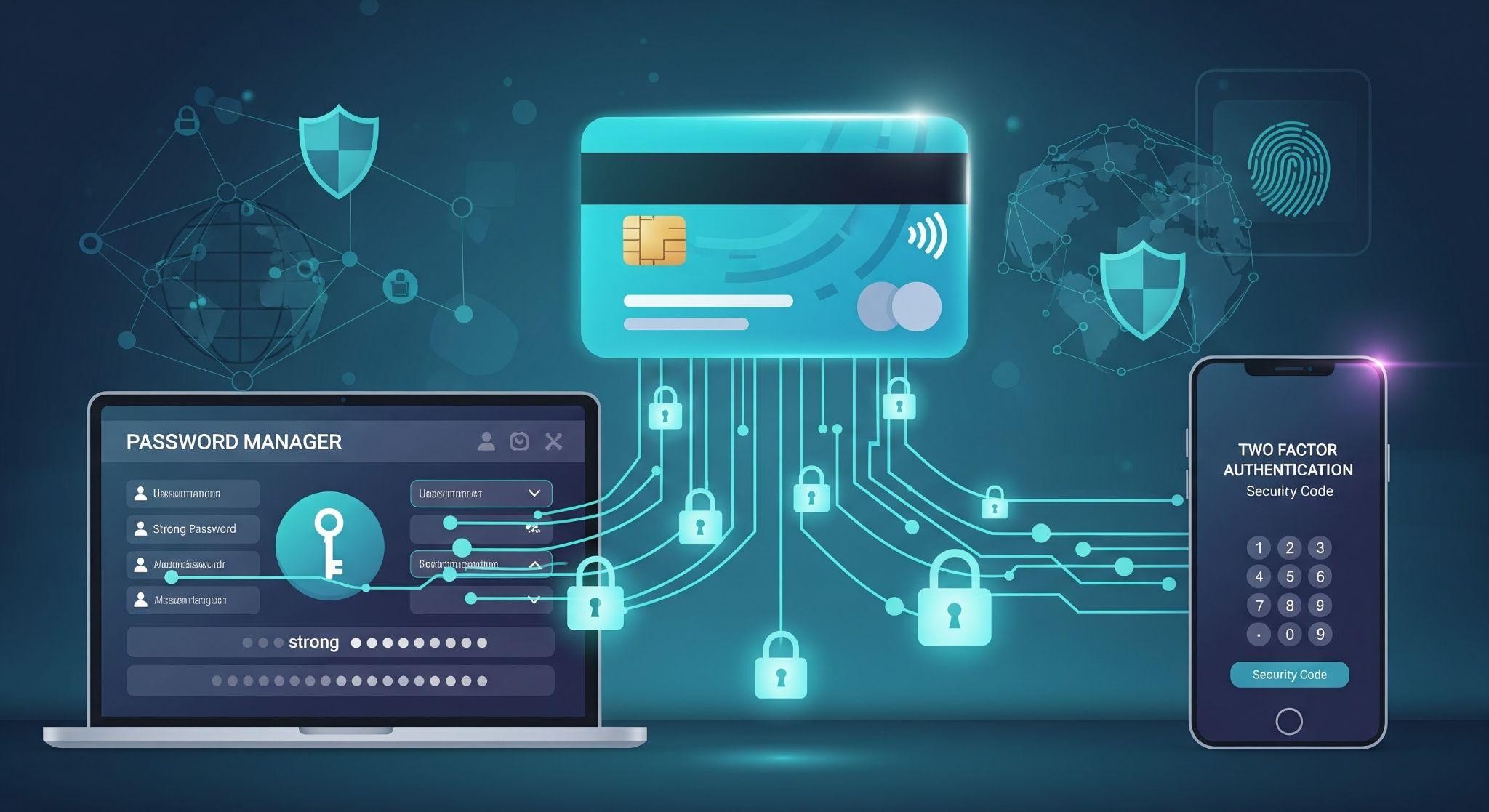
- Use a password manager.
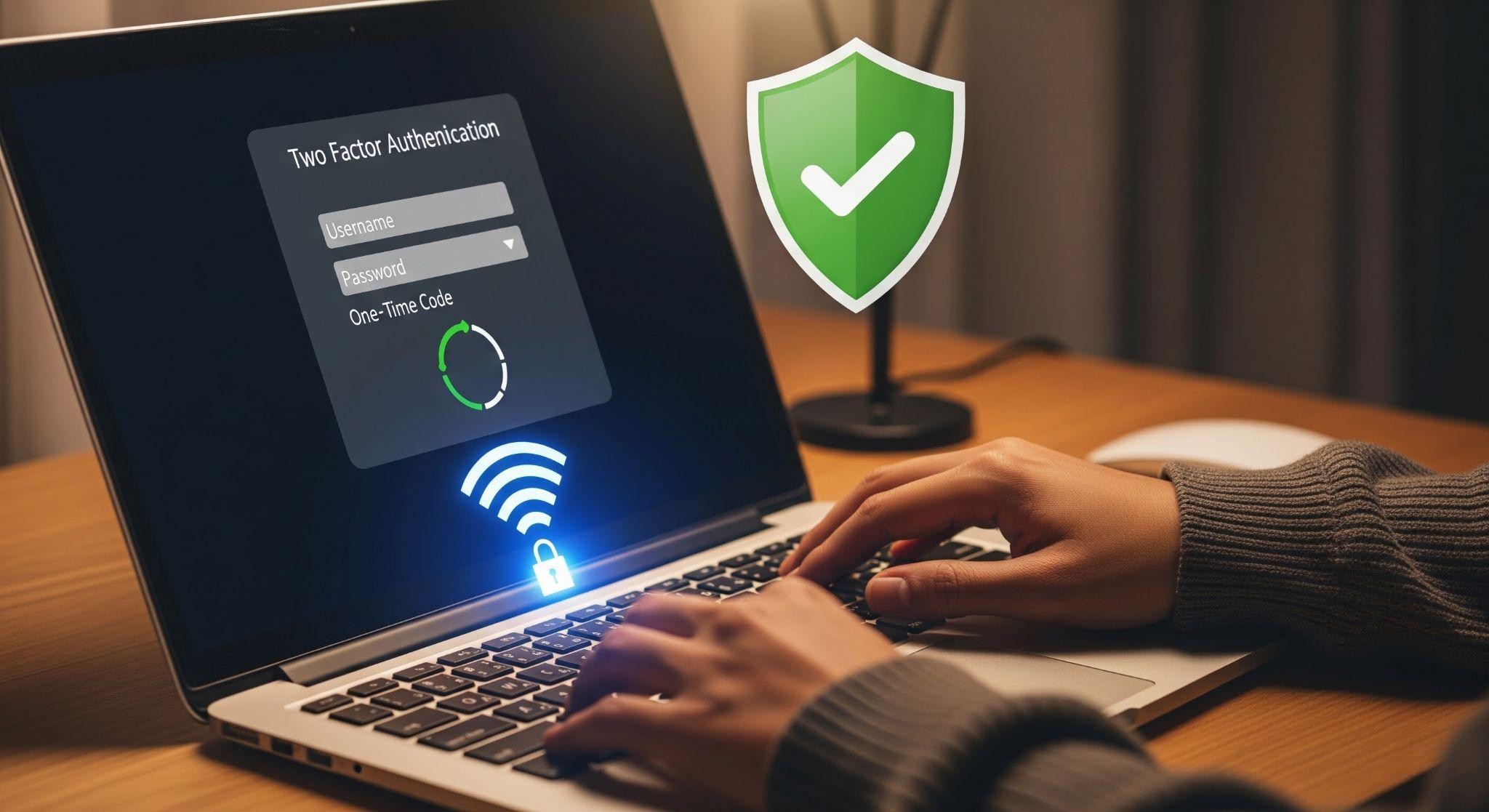
- Enable two-factor authentication (2FA) whenever available.
- Never share login credentials.
Cybersecurity experts consistently recommend enabling multi-factor authentication because it significantly reduces the likelihood of unauthorized account access.
“Multi-factor authentication is one of the most effective ways to secure online accounts.” — Cybersecurity and Infrastructure Security Agency (CISA)
Even if a password is compromised, an additional authentication factor provides another layer of protection.
Keep Personal and Financial Information Private
Many online scams rely on collecting more information than necessary.
Players should avoid:
- Sharing account screenshots publicly
- Posting payment confirmations on social media
- Using public Wi-Fi for deposits or withdrawals
- Saving payment card details on shared devices
Whenever possible, use trusted payment methods that include fraud protection and transaction monitoring.
According to the Federal Trade Commission (FTC), phishing remains one of the most common methods used by cybercriminals to steal login credentials and financial information.
Recognize Common Online Casino Scams
Scammers frequently imitate legitimate casino websites or customer support channels.
Warning signs include:
- Messages requesting passwords
- Unrealistic bonus promises
- Suspicious links received through email or messaging apps
- Poorly designed websites with spelling mistakes
- Requests for payments outside official channels
Before entering any credentials, always verify the website address and ensure you are using the official domain.
Keep Your Device Updated
Security updates often fix vulnerabilities that attackers actively exploit.
Good practices include:
- Updating your operating system regularly
- Installing browser security updates
- Using reputable antivirus software
- Removing unused browser extensions
Keeping software current helps protect both your personal information and your gaming accounts.
Understand Privacy Policies Before Registering
Every legitimate online casino should explain:
- What personal information is collected
- How the information is stored
- Whether data is shared with third parties
- How users can request data deletion
Reading a privacy policy may seem time-consuming, but it provides valuable insight into how your information is handled.
According to the International Association of Privacy Professionals (IAPP), transparency is one of the core principles of modern privacy protection and data governance.
Conclusion
Online casino security depends on both the operator and the player. Choosing licensed platforms, creating strong passwords, enabling two-factor authentication, recognizing phishing attempts, and understanding privacy policies are practical steps that reduce online risks. Trusted brands such as Pin-Up can contribute by implementing modern security technologies, but maintaining safe online habits remains the most effective way to protect personal information while enjoying online gaming.