











The arrest of Mofakkerul Islam has brought West Bengal’s Malda violence into sharp national focus, raising serious questions about law and order, political affiliations, and the nature of the unrest that shook the region just days before crucial elections. As investigations deepen, Mofakkerul Islam has emerged as a central figure in the unfolding controversy, with allegations linking him to the orchestration of protests that spiraled into chaos.
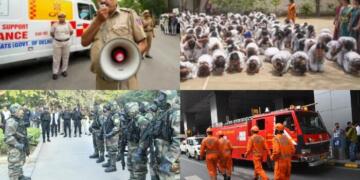
The violence in Malda’s Kaliachak area has been described as unprecedented in recent years. What began as protests over alleged voter list revisions quickly escalated into large-scale unrest, including road blockades, vandalism, and attacks on officials. Most alarmingly, seven judicial officers were gheraoed and effectively held hostage for nearly nine hours, prompting nationwide outrage and judicial concern.
At the center of these events is Mofakkerul Islam, a lawyer and former candidate of the All India Majlis-e-Ittehadul Muslimeen (AIMIM). Authorities have identified Mofakkerul Islam as a key instigator, accusing him of mobilizing crowds and encouraging aggressive demonstrations. His arrest near Bagdogra airport while allegedly attempting to leave the state has only intensified scrutiny.
According to investigators, Mofakkerul Islam played a significant role in organizing protests that escalated into violence. Videos circulating on social media reportedly show him addressing crowds and challenging administrative authorities during the peak of the unrest. These visuals have become a focal point in the investigation, as agencies attempt to determine whether the violence was spontaneous or part of a coordinated plan.
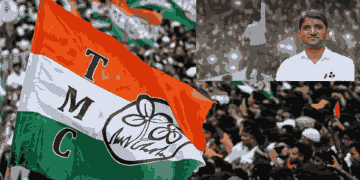
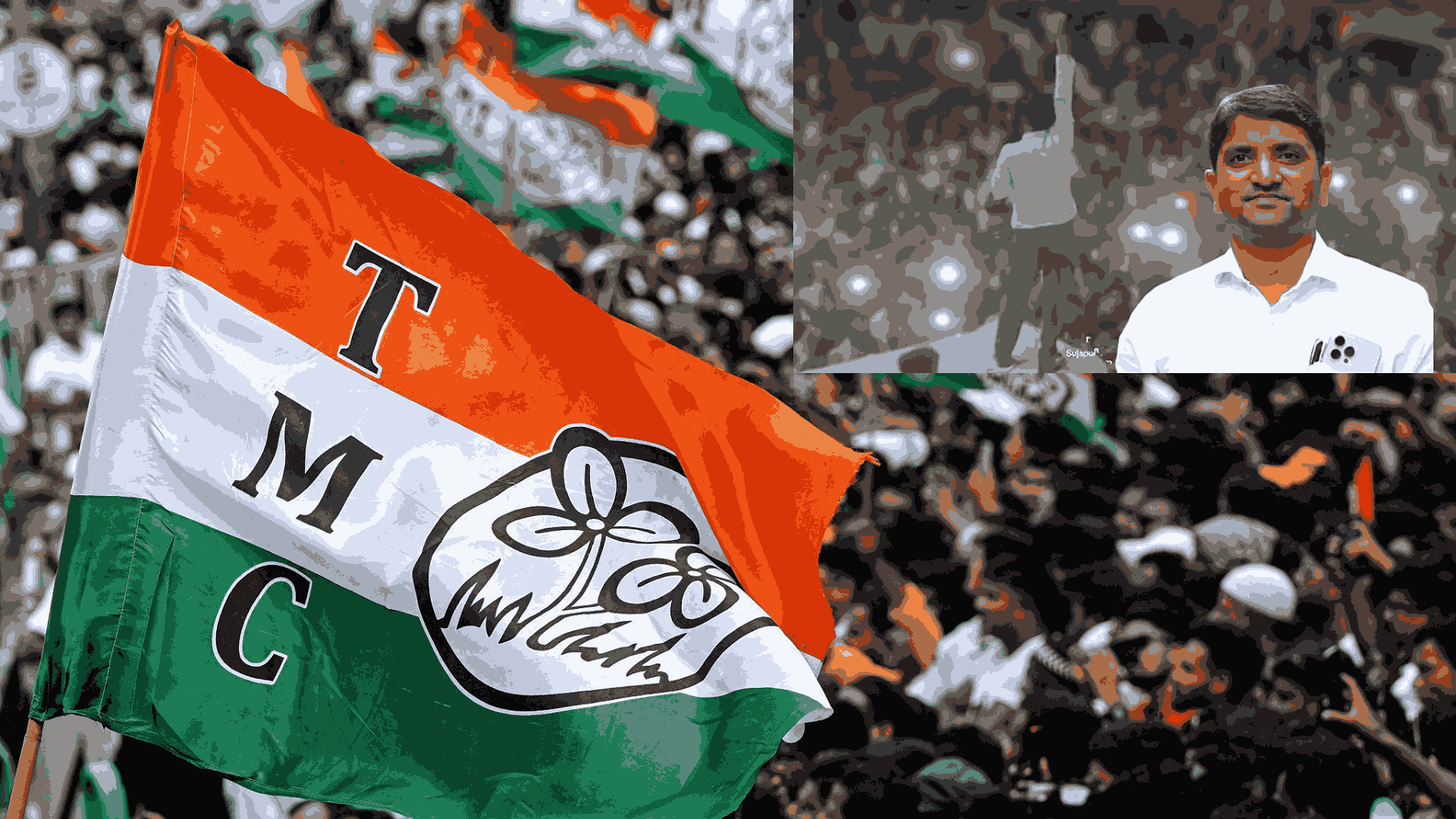
The political ramifications of the case have been immediate and intense. The arrest of Mofakkerul Islam has triggered a sharp exchange between major political parties, with accusations flying over alleged links and tacit support. The ruling Trinamool Congress (TMC) and opposition parties have engaged in a war of words, each attempting to frame the narrative to their advantage.
Further complicating matters are claims and counterclaims regarding connections between Mofakkerul Islam and various political actors. While some reports suggest proximity to certain political circles, definitive conclusions remain elusive as investigations continue. The controversy has nevertheless fueled speculation about whether the violence was influenced by broader political dynamics in the state.
The seriousness of the situation is underscored by the involvement of central agencies. The Election Commission has handed over the probe to the National Investigation Agency (NIA), signaling the gravity of the incident. A multi-member team has already begun on-ground investigations, examining evidence, questioning suspects, and exploring the possibility of a larger conspiracy.
Mofakkerul Islam, however, has denied the allegations against him. He maintains that his role was limited to participating in protests and supporting demonstrators, rejecting claims that he orchestrated violence or the confinement of officials. This denial sets the stage for a legal battle that could shape the narrative around the incident in the coming weeks.
Beyond the immediate legal and political fallout, the Malda violence has reignited concerns about recurring unrest in parts of West Bengal. The region has witnessed similar tensions in the past, raising questions about structural issues in governance, law enforcement preparedness, and political mobilization. The scale of the recent incident, however, marks a significant escalation, particularly given the direct targeting of judicial officers.
The case of Mofakkerul Islam also highlights the growing intersection of politics and protest in the state. As elections approach, incidents like these take on added significance, influencing public perception and potentially impacting electoral outcomes. The timing of the violence has led many observers to question whether it was merely coincidental or strategically aligned with the political calendar.
As the investigation progresses, all eyes remain on Mofakkerul Islam and the evidence being gathered against him. His role—whether as an instigator, participant, or scapegoat—will be crucial in determining the final conclusions of the probe. At the same time, the broader questions raised by the Malda violence—about governance, accountability, and political responsibility—are unlikely to fade anytime soon.
In conclusion, the arrest of Mofakkerul Islam has transformed the Malda violence from a local law-and-order issue into a major political and national controversy. With central agencies now involved and political tensions running high, the case is set to remain at the forefront of public discourse. Whether it leads to meaningful accountability or becomes another flashpoint in the state’s contentious political landscape will depend on how the investigation unfolds in the days ahead.