













Russia has sounded a sharp warning over the escalating war in West Asia, declaring that international law, once the cornerstone of global order, now exists largely on paper. The statement comes as US and Israeli air strikes intensify in Iran, threatening to destabilise the region and test the limits of international norms.
Kremlin Highlights the Gap Between Law and Reality
Speaking on state television, Russian officials criticised the widening gap between legal frameworks and actual state behaviour. “International law exists in treaties, but rarely influences what happens on the ground,” they said, highlighting the contrast between De Jure law on paper and De Facto reality in practice.
The Kremlin stressed that many countries now make decisions based on self-interest rather than widely accepted rules, a shift that creates uncertainty and risks for global stability.
Putin Revives P5 Summit Proposal
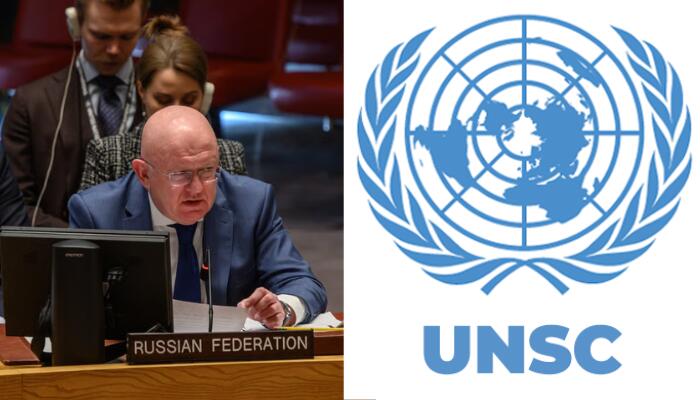
To address the crisis, Moscow has revived President Vladimir Putin’s proposal for a meeting of the five permanent members of the United Nations Security Council—Russia, the United States, China, France, and the United Kingdom. Originally suggested before the COVID-19 pandemic, the plan has gained renewed urgency amid the current volatility.
The Kremlin argues that convening the P5 could allow the world’s strongest nuclear and military powers to discuss shared risks, regional conflicts, and the weakening of global institutions. The goal is long-term stability, not immediate military responses, aiming to reduce misunderstandings and reinforce global security architecture.
Rising Tensions in West Asia Have Global Implications
The intensified strikes on Iran have already sent shockwaves through energy markets and international diplomacy. Oil prices have responded sharply, while governments across Europe, Asia, and the Middle East engage in diplomatic talks to prevent further escalation.
Russia has also sought clarity from Washington on its strategic objectives, questioning how US actions align with existing international norms. The Kremlin views the crisis as a reflection of a broader problem: the erosion of collective rules makes it increasingly difficult to enforce, or even interpret, international law.
Economic and Political Shockwaves Loom
Russian analysts warn that a prolonged West Asia conflict could produce far-reaching consequences. The region is central to global energy supply chains, and instability could trigger ripple effects across continents. Political alliances may shift, and divisions among major powers could deepen, reshaping international diplomacy and governance in unpredictable ways.
As military readiness rises across nations, Moscow is pushing for decisive dialogue among the P5, arguing that coordinated action is essential to mitigate escalating tensions and restore stability to a fracturing international system.