

















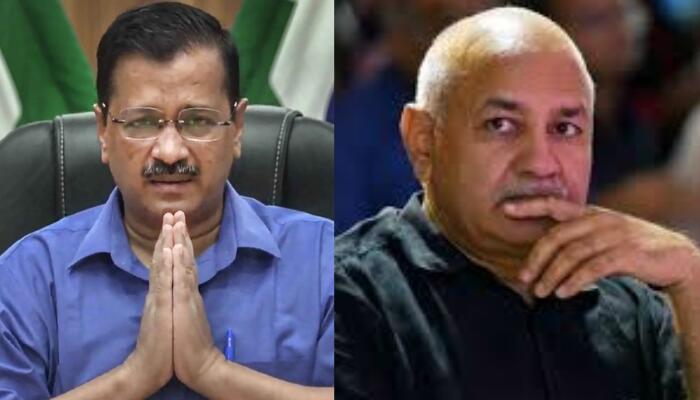
The Delhi High Court on Monday sought the response of former Delhi Chief Minister Arvind Kejriwal, former Deputy Chief Minister Manish Sisodia and 21 others after the Central Bureau of Investigation challenged a trial court order discharging them in the alleged Delhi excise policy corruption case. The court has listed the matter for further hearing on March 16, signalling that the high-profile controversy surrounding the now-scrapped liquor policy is far from over.
The bench of Justice Swarana Kanta Sharma issued notice to the accused and indicated that it would stay the adverse observations made by the trial court against the investigating officer. The High Court also said it would direct the trial court to defer proceedings in the related money-laundering case being investigated by the Enforcement Directorate until the revision petition filed by the CBI is decided.
The development follows a February 27 order by Special Judge Jitendra Singh discharging all 23 accused in the case, including Kejriwal and Sisodia, after sharply criticising the investigation and holding that the prosecution’s case could not survive judicial scrutiny.
CBI Argues Evidence Was Ignored
Appearing for the CBI, Solicitor General Tushar Mehta argued before the High Court that the trial court’s decision had effectively dismantled a major corruption case before a full trial could take place. He told the court that the order was legally flawed and had evaluated evidence at a stage where the court was only required to determine whether a trial should proceed.
Mehta contended that the investigation had uncovered substantial evidence pointing to a conspiracy in the formulation and implementation of the excise policy introduced by the Aam Aadmi Party government. According to him, the agency collected extensive material, including witness statements, emails, forensic records and WhatsApp chats.
He maintained that these materials collectively indicated that the policy was manipulated to favour certain private players who allegedly provided bribes in return for policy advantages.
The Solicitor General also argued that the trial court had effectively conducted what he described as a “mini-trial” while deciding the discharge application. Instead of assessing whether there was sufficient material to raise suspicion and frame charges, the court examined the evidence in detail and rejected the prosecution’s case at the threshold, he said.
Allegations of Policy Manipulation and Bribery
During the hearing, Mehta told the court that conspiracies are rarely executed openly and must often be established by assembling different pieces of evidence during a trial. He said the investigation had identified witness accounts describing meetings, the collection of money and communication among individuals allegedly involved in influencing the policy.
According to the CBI’s petition, the excise policy was allegedly designed to benefit select business groups who were expected to provide financial support linked to political activities. The agency argued that these allegations deserved to be tested through a full trial rather than being dismissed at an early stage.
Trial Court Had Criticised Investigation
While discharging the accused, the trial court had taken a strongly critical view of the CBI investigation, stating that the chargesheet contained significant gaps and lacked sufficient corroboration from witnesses or statements.
The order also recommended departmental action against the investigating officer, describing the probe as tainted and questioning why certain officials were implicated despite what the court described as the absence of supporting evidence.
The CBI has strongly objected to these observations, calling them shocking and seeking an immediate stay on them.
With notices now issued to the discharged leaders, the High Court’s upcoming hearing on March 16 is expected to determine whether the corruption allegations linked to the controversial excise policy will proceed to trial or remain closed under the earlier discharge order.