













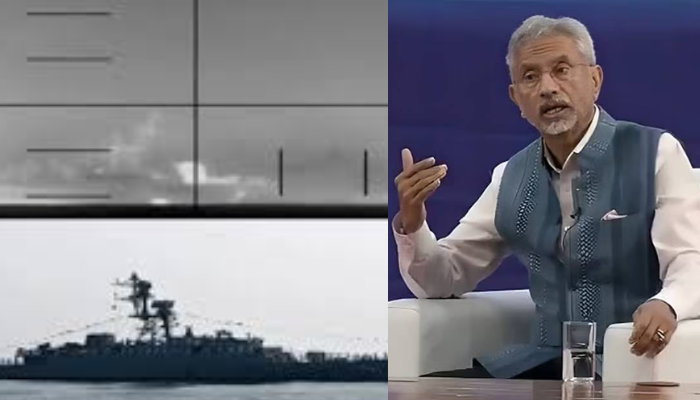
Iran has thanked India for allowing its naval vessel IRIS Lavan to dock at Kochi port after another Iranian warship was sunk by a United States submarine near Sri Lanka, External Affairs Minister S. Jaishankar told the Rajya Sabha on Monday while briefing Parliament on the rapidly escalating conflict in West Asia.
Jaishankar said Iranian Foreign Minister Abbas Araghchi conveyed his country’s appreciation for India’s decision to permit the vessel to take refuge at Kochi, describing it as a humanitarian gesture during an increasingly volatile military confrontation in the region.
The minister’s statement came as Parliament convened amid heightened concern over the war involving the United States, Israel and Iran, which has triggered large-scale casualties, regional instability and fears of major disruptions to energy supplies and global trade routes.
India Calls for Dialogue and De-escalation
Addressing the Rajya Sabha, Jaishankar reiterated that India continues to favour peace and restraint as tensions intensify across West Asia. He said New Delhi believes dialogue and diplomacy remain the only viable path to resolving the conflict and preventing further escalation.
The government had earlier issued a statement expressing deep concern over the developments and urging all sides to exercise restraint. According to Jaishankar, the conflict has spread beyond Iran to other parts of the region, resulting in mounting destruction and widespread disruption to normal life.
He noted that the situation carries serious implications for India, given the country’s strong economic and strategic ties with West Asia. The Gulf region is a crucial pillar of India’s energy security and remains one of its most significant trading partners, accounting for nearly 200 billion dollars in annual trade.
Safety of Indians Remains Top Priority
Jaishankar told the House that safeguarding Indian citizens in the region remains the government’s overriding priority. Nearly one crore Indians live and work across Gulf countries, while a few thousand Indians are currently in Iran for education and employment.
The government has been issuing advisories to Indian nationals and maintaining close contact with the Indian community through diplomatic channels. The Indian Embassy in Tehran continues to operate and has already assisted in relocating several Indian students from the capital to safer locations.
Indian nationals engaged in business activities in Iran were also helped to cross into Armenia so that they could return safely to India. Efforts are simultaneously underway to assist Indians stranded in other countries in the region, including Qatar and Jordan.
However, Jaishankar acknowledged the human cost of the conflict, informing Parliament that two Indian merchant mariners have been killed while another remains missing amid the hostilities.
Security Situation Reviewed at Highest Level
Given the gravity of the situation, Jaishankar said the Cabinet Committee on Security met on March 1 under the chairmanship of Prime Minister Narendra Modi to review developments in the region.
The panel was briefed on the airstrikes carried out in Iran and the subsequent escalation of attacks across several Gulf countries. According to the minister, the committee expressed serious concern about the safety of the Indian community and travellers in the region.
He added that the Prime Minister continues to closely monitor the evolving situation, while multiple ministries remain in coordination to ensure an effective and timely response.
Humanitarian Decision Behind Kochi Docking
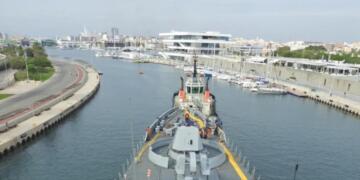
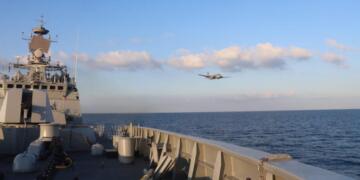
Explaining India’s decision to allow the Iranian naval vessel IRIS Lavan to dock at Kochi, Jaishankar said the ship had reported technical difficulties and sought permission to enter an Indian port as the conflict intensified.
India approved the request on March 1, and the vessel reached Kochi on March 4, where it remains anchored while technical assessments continue.
The docking occurred shortly after the Iranian frigate IRIS Dena was struck by a torpedo fired from a United States submarine in international waters off Sri Lanka’s southern coast, killing 87 people while several others were reported missing.
As the war continues to widen across West Asia, India is closely monitoring developments while preparing for potential disruptions to energy supplies, trade flows and regional stability, underscoring the far-reaching implications of the conflict for the country’s economic and strategic interests.