

















RelatedPosts
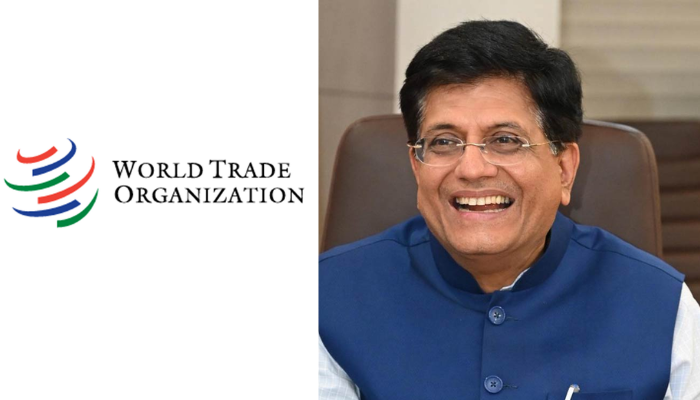
India has made a strong case for reforming the global trading system while firmly defending the principle of consensus at the World Trade Organization, with Commerce and Industry Minister Shri Piyush Goyal asserting that the institution’s legitimacy rests on respecting the sovereign choices of its members. Speaking on the second day of the WTO Ministerial Conference 14 in Yaoundé, Cameroon, Goyal emphasised that no country should be compelled to accept rules it does not agree with, underlining consensus-based decision-making as the foundation of the WTO.
Consensus Must Anchor Reform
Addressing discussions on decision-making processes, including prior mandates, Goyal highlighted the need to rebuild trust among member nations to overcome the current impasse. India called for a deeper assessment of the challenges affecting consensus and their root causes, stressing that all discussions must remain transparent, inclusive and driven by member countries themselves. It warned that the multilateral trading system cannot function effectively if its institutional framework becomes fragmented.
India also underscored that the sovereign right of each member must be preserved, particularly in an environment where divergent interests often shape negotiations. The message was clear that consensus is not merely procedural but central to the WTO’s credibility.
Fixing Inequities from the Past
On the issue of creating a level playing field, India drew attention to longstanding inequalities stemming from the Uruguay Round, arguing that WTO reforms must address these imbalances. Goyal emphasised the need to prioritise unresolved issues such as food safety, public stockholding and special safeguard mechanisms for cotton, while also engaging with emerging concerns that reflect structural inequalities in global trade.
India stressed that all member countries must have a fair opportunity to build productive capacity, create jobs and participate meaningfully in global markets. This, it argued, is essential for making trade more inclusive and development-oriented.
Strengthening Enforcement and Fair Practice
India flagged persistent shortcomings in the WTO’s dispute settlement system, noting that without effective adjudication, rules lose their enforceability. This, it warned, disproportionately affects smaller and developing countries that rely on a rules-based system for fair treatment.
The delegation also cautioned against the misuse of transparency provisions to justify retaliatory trade actions or challenge legitimate domestic policies. Instead, it called for meaningful and sustained capacity-building support to enable all members to meet their obligations fairly and effectively.
Time-Bound Reform with Clear Direction
During the ministerial plenary session on WTO reform and transparency, Commerce Secretary Shri Rajesh Aggarwal reiterated India’s support for restarting reform efforts within a defined timeframe and with clear targets. He emphasised that reforms must be guided by robust evidence, well-considered recommendations and ministerial decisions, rather than selective approaches or preconceived biases.
Aggarwal also highlighted the importance of strengthening the role of WTO committees, describing them as vital platforms capable of providing comprehensive, ground-level assessments based on direct experience. He warned against any approach that could fragment the multilateral trading system, calling instead for a process rooted in openness, inclusiveness and active participation by all members.
Bilateral Talks Signal Wider Engagement
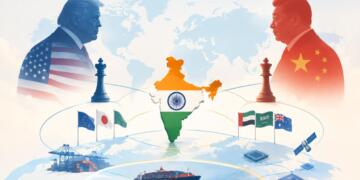
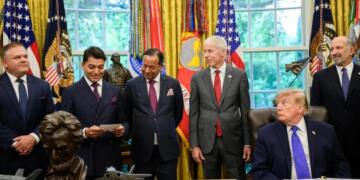
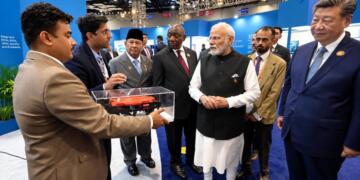
Alongside multilateral discussions, Goyal held a series of bilateral meetings with counterparts from the United States, China, Korea, Switzerland, New Zealand, Canada, Morocco and Oman. These discussions focused on advancing the MC14 agenda as well as exploring avenues to deepen bilateral trade ties.
India’s interventions at the conference reflect a broader strategy to push for a more balanced, transparent and resilient global trading system. By advocating consensus, equity and inclusivity, New Delhi has positioned itself as a key voice in shaping the future direction of WTO reforms.