






















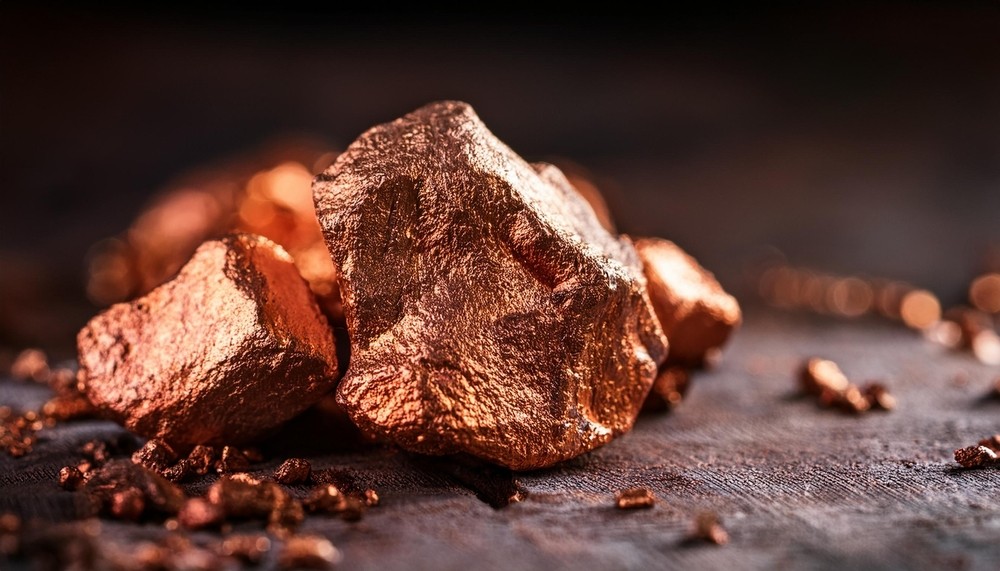
Copper is one of the most important industrial metals in the world. It is called “Dr. Copper” because its price often signals the health of the global economy. When demand for copper rises, it usually means factories, construction, and infrastructure are busy. When it falls, economic slowdown is often near.
In India, copper investing has become popular among retail investors in recent years. Rising urbanization, government infrastructure push, electric vehicle growth, renewable energy projects, and electronics manufacturing all drive strong local demand. Copper prices have seen sharp moves in recent years, reaching new highs amid supply concerns and green energy transition.
For Indian investors, copper offers exposure to global growth trends without needing large capital. You can invest through futures, ETFs, mutual funds, stocks of copper-related companies, or physical metal in small quantities. This article explains what moves copper prices, how demand cycles work, and the most beginner-friendly ways to get started in India.
Main Drivers of Copper Prices
Copper price is influenced by supply and demand fundamentals, just like any commodity.
Demand side:
- Global industrial activity (construction, wiring, plumbing, electronics)
- Energy transition (electric vehicles need 3–4 times more copper than traditional cars, wind/solar farms use large amounts)
- Infrastructure spending (China, India, US, Europe all have big projects)
- Emerging market growth (urbanization in Asia and Africa)
Supply side:
- Mining output (major producers: Chile, Peru, DR Congo, Australia)
- Disruptions (strikes, weather, political issues in key mines)
- Recycling rates (secondary supply from scrap)
- New mine development (takes 10+ years, limited new projects recently)
Macro factors:
- US Dollar strength (copper priced in USD, stronger dollar usually pressures prices)
- Interest rates and economic outlook (lower rates support commodities)
- China’s role (consumes ~50% of world copper)
In recent years, supply has struggled to keep up with demand from green technologies and infrastructure. This structural deficit has supported higher prices.
Demand Cycles and How to Read Them
Copper demand moves in clear cycles tied to economic phases.
Expansion phase: Strong growth, high construction and manufacturing → copper demand surges → prices rise sharply.
Peak: Overheating economy, central banks raise rates → demand slows → prices top out.
Contraction: Recession or slowdown → industrial activity drops → copper prices fall hard.
Recovery: Stimulus, lower rates, rebuilding → demand rebounds → new cycle starts.
Recent cycle example: Post-COVID recovery + green energy boom drove prices to record highs around 2021–2022. Then 2022–2023 saw pressure from China slowdown and high rates. From 2024 onward, renewed infrastructure spending, EV adoption, and supply tightness pushed prices higher again.
Indian investors can watch:
- China PMI (manufacturing index)
- Global PMI data
- US housing starts and infrastructure bills
- EV sales numbers
- Copper inventory levels on LME and SHFE exchanges
When inventories fall and demand indicators rise, prices usually follow.
Why Copper Matters for India Specifically
India is one of the fastest-growing copper consumers. Key drivers:
- Government initiatives: Smart Cities, Make in India, PM Gati Shakti (infrastructure master plan)
- Renewable energy target: 500 GW by 2030 → massive copper needs for solar, wind, transmission
- Electric mobility: FAME scheme, PLI for batteries and EVs
- Electronics manufacturing boom: Mobile phones, semiconductors, appliances
- Urbanization and real estate: Wiring, plumbing, air-conditioning
India imports most of its copper (Adani, Vedanta, Hindalco are major players). Local demand growth often outpaces global average, making copper a strategic play for Indian portfolios.
Beginner-Friendly Ways to Invest in Copper in India
You do not need to buy physical copper bars (storage and purity issues make it complicated for most). Here are practical options:
- Copper Futures on MCX
- Trade standard lot (1 tonne) or mini (100 kg) contracts
- High liquidity on Multi Commodity Exchange
- Leverage available, but start small and use stop-loss
- Good for short-term price moves
- Copper ETFs (Exchange Traded Funds)
- ICICI Prudential Copper ETF or similar products
- Tracks domestic or international copper prices
- Low cost, easy to buy/sell like stocks through demat account
- No expiry like futures
- Mutual Funds with Commodity Exposure
- Some funds invest in global commodity indices or mining stocks
- Less direct than ETF but diversified
- Stocks of Copper-Related Companies
- Hindalco Industries (major copper producer)
- Vedanta Ltd (through Sterlite Copper)
- Other metal/mining companies with copper exposure
- Benefit from both metal price rise and company performance
- Global Copper ETFs via Indian Brokers
- Some brokers allow access to US-listed ETFs like CPER or COPX
- Subject to LRS (Liberalised Remittance Scheme) limits
For beginners: Start with copper ETF or MCX mini futures with small capital. Learn price patterns on charts before increasing size. Always use risk management (never risk more than 1–2% per trade).
Risks and Things to Watch
Copper is volatile. Prices can swing 20–30% in months due to macro news or China data.
Geopolitical risks in major producing countries can disrupt supply.
High interest rates can pressure commodities overall.
For Indian investors: Currency risk (INR depreciation vs USD affects imported copper costs).
Mitigate by diversifying, using stop-loss, and not over-leveraging.
Conclusion
Copper investing in India offers exposure to global growth, energy transition, and domestic infrastructure boom. Prices are driven by industrial demand, supply constraints, China’s economy, and green technologies. Demand cycles follow economic expansions and recoveries, with structural tailwinds from electrification.
Beginners can start easily through MCX futures, copper ETFs, or related stocks. Keep positions small, learn the drivers, and track key indicators like China PMI, LME inventories, and EV sales.
When you’re ready to act on copper trends, platforms that allow invest in copper in India make it simple with charting, real-time prices, and execution tools. Start with education and small steps. Copper has long-term potential, but like any commodity, it rewards patience and discipline. Stay informed on fundamentals and manage risk carefully. Good luck.