





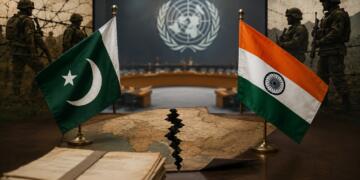




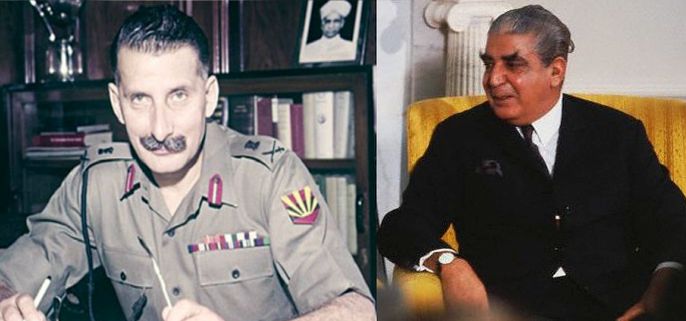
History often records wars through strategies, victories, and defeats, but behind momentous conflicts lie deeply human stories shaped by shared pasts and complicated loyalties. Few relationships illustrate this better than that of Field Marshal Sam Hormusji Framji Manekshaw of India and General Agha Muhammad Yahya Khan of Pakistan. Their bond, forged long before Partition and tested by the crucible of the 1971 India Pakistan War, reflects the paradox of personal camaraderie surviving amid national conflict. This layered relationship has also found renewed attention through the recent film Sam Bahadur, which brought aspects of their shared history to a wider audience.
Both Sam Manekshaw and Yahya Khan belonged to a generation of officers trained under the British Indian Army, an institution that produced some of South Asia’s most accomplished military leaders. They served during the Second World War, a formative experience that shaped their understanding of command, sacrifice, and responsibility. Combat against a global enemy created professional bonds that transcended regional and religious identities. In those years, neither man imagined that the subcontinent would soon be divided, forcing former comrades into opposing camps.
Before 1947, Manekshaw and Khan served in the same army, wore the same uniform, and lived within the same military culture. It was during this period that one of the most enduring anecdotes of their relationship emerged. Sam Manekshaw owned a striking red motorcycle that caught the attention of Yahya Khan, then a Major preparing to leave for Karachi following the Partition of India. Manekshaw, a Lieutenant Colonel at the time, agreed to sell it to Khan for Rs 1,000, a respectable sum in those days. The transaction was sealed by trust rather than paperwork, reflecting the informal bonds common among officers.
Partition, however, changed everything. Yahya Khan crossed over to the newly formed Pakistan with the motorcycle, but the agreed payment never reached Sam Manekshaw. Life, politics, and military careers moved rapidly in different directions. What might have remained a trivial debt instead became a symbolic thread connecting two men whose destinies would later shape the subcontinent.
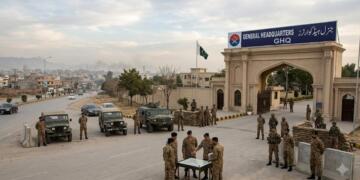
By 1971, the world had changed dramatically for both officers. Sam Manekshaw had risen to become the Chief of the Indian Army, respected for his strategic clarity, moral courage, and sharp wit. Yahya Khan, on the other hand, was not only the Chief of Pakistan’s Army but also the President of Pakistan, presiding over a nation in deep political and military crisis. East Pakistan was in turmoil, and regional tensions were escalating toward inevitable conflict.
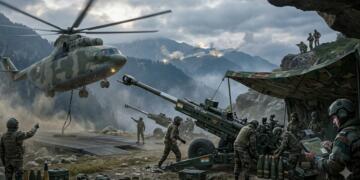
When war finally broke out in December 1971, the two former comrades found themselves on opposite sides of a defining moment in South Asian history. Under Manekshaw’s leadership, the Indian Armed Forces conducted a swift and decisive campaign that culminated in the surrender of Pakistani forces in Dhaka and the birth of Bangladesh as an independent nation. The conflict permanently altered the geopolitical balance of the region and remains one of the most consequential wars since the Second World War.
Sam Manekshaw was known not only for his military brilliance but also for his humor, which often masked profound insight. After the war, he famously remarked that he had waited twenty four years for the Rs 1,000 Yahya Khan owed him, but that the debt had finally been paid with half of Pakistan. The comment, sharp yet reflective, encapsulated both the scale of the victory and the strange intimacy of their shared past.
Pakistani columnist Ardeshir Cowasjee later added another layer to this story. Writing in 2008, Cowasjee recalled meeting Manekshaw, who mentioned that Yahya Khan had never forgotten the unpaid debt, even if he never settled it. Cowasjee himself reportedly offered to repay the Rs 1,000 with interest, a gesture that underlined how the anecdote had evolved into a piece of shared military folklore rather than a genuine grievance.
The aftermath of the 1971 war affected both men deeply, albeit in different ways. Manekshaw emerged as a national hero in India, yet he consistently acknowledged the human cost of war and the suffering endured by soldiers and civilians alike. His legacy is marked not by triumphalism but by professionalism and restraint. Yahya Khan, in contrast, faced severe political backlash in Pakistan. He was removed from power, and his reputation suffered lasting damage as Pakistan grappled with the trauma of defeat and dismemberment.
The story of Sam Manekshaw and Yahya Khan is ultimately not just about war or victory. It is about how shared histories complicate enmity, how personal bonds endure even when nations collide, and how humor and memory can coexist with tragedy. Their relationship serves as a reminder that behind the rigid lines of geopolitics stand human beings shaped by common experiences, even when history places them on opposing sides.