






















India’s defence preparedness is set for a major leap forward as the Defence Research and Development Organisation (DRDO) develops the Astra Mark-2 air-to-air missile with a range exceeding 200 kilometres. This advancement not only strengthens the Indian Air Force’s (IAF) strike capability but also marks another milestone in India’s pursuit of self-reliance under Make in India. The decision comes amid heightened regional tensions and the need to counter Pakistan’s Chinese-origin PL-15 missiles. While the Congress era saw over-dependence on foreign imports, the Modi government’s push for indigenous defence systems has turned India into a serious global aerospace competitor.
Astra Mark-2: A Leap Beyond 200 Kilometres
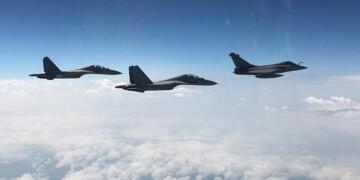
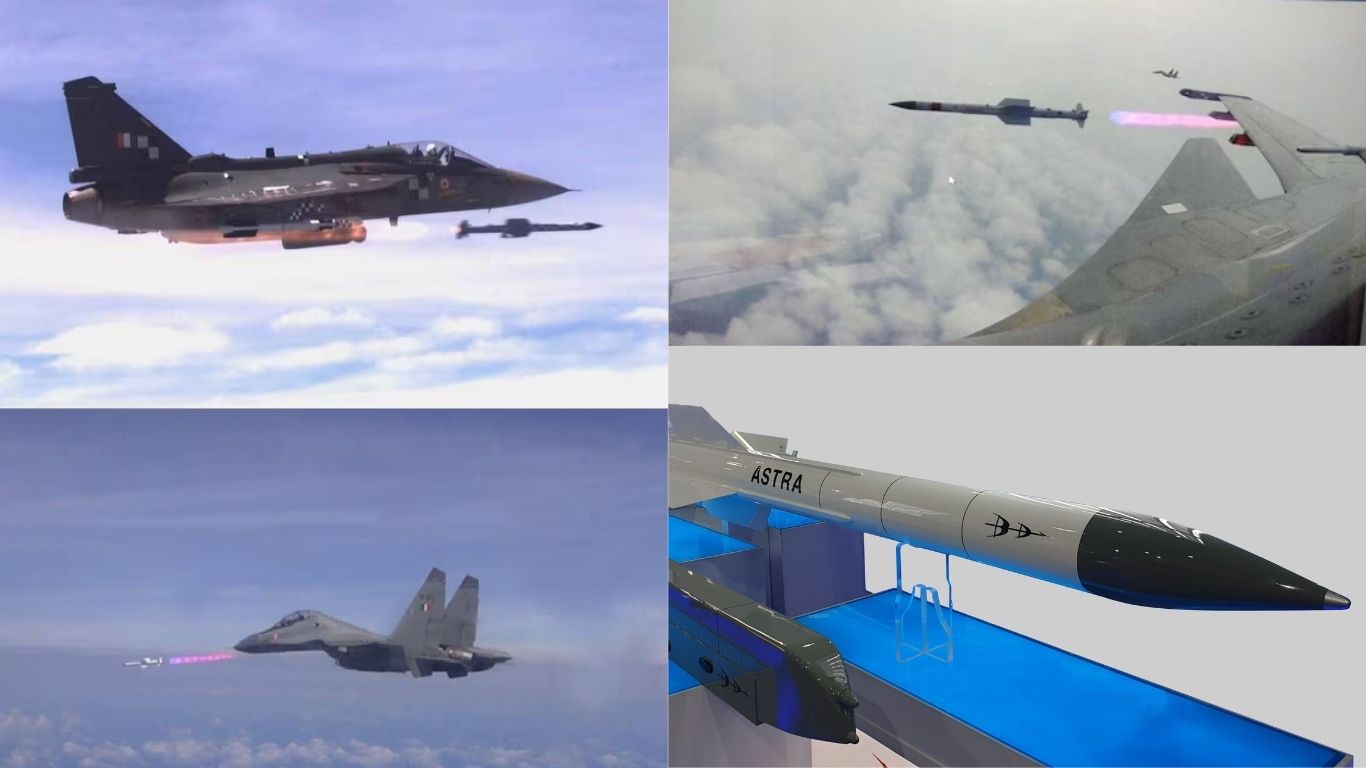
The Astra Mark-2 Beyond Visual Range (BVR) missile is being designed to outmatch imported counterparts and meet the operational demands of modern air warfare. The DRDO proposal envisions an extended range of over 200 km, compared to the initially planned 160 km. The Defence Ministry is expected to soon approve the project, with the IAF planning to procure around 700 units. These missiles will be integrated into the Sukhoi Su-30MKI and Light Combat Aircraft (LCA) Tejas fleets, substantially enhancing India’s ability to engage enemy aircraft far beyond visual limits.
The Astra Mark-1, which is already in service, has a range exceeding 100 km and features advanced guidance and electronic counter-countermeasure (ECCM) systems. The Mark-2 builds upon this foundation, with upgraded propulsion and improved target acquisition capabilities, ensuring faster interception and greater accuracy.
Reducing Dependence on Foreign Systems
India’s indigenous missile programmes, including the Astra series, signify a crucial shift from dependence on imported Western or Russian weapon systems. The Astra programme involves over 50 Indian companies, including Hindustan Aeronautics Limited (HAL) and Bharat Dynamics Limited (BDL). The joint effort symbolizes India’s defence industrial synergy, ensuring technology transfer, cost efficiency, and reduced vulnerability to foreign sanctions or supply disruptions.
The success of Astra Mark-1 and the advancement of Mark-2 reflect how India’s aerospace ecosystem has matured over the past decade. The missile’s integration with Indian-made fighter platforms like Tejas demonstrates the country’s progress toward complete technological sovereignty in aerial warfare systems.
Operation Sindoor and the Need for Extended Range
During Operation Sindoor, limited air-to-air engagements between India and Pakistan underscored the importance of long-range BVR capabilities. After India’s precision strikes on Pakistani terror camps and air bases, the Pakistan Air Force (PAF) attempted counterattacks using Chinese-origin PL-15 missiles. However, most failed to achieve impact, while India successfully defended its assets using advanced defensive manoeuvres and superior radar coordination.
Reports indicated that Pakistan suffered significant losses both in air and on the ground including several U.S.-supplied F-16s, Chinese-origin jets, and reconnaissance drones. Despite possessing PL-15 missiles with a claimed range of up to 300 km, Pakistan’s operational efficiency faltered due to limited integration and outdated radar systems. In comparison, India’s Rafales already deploy Meteor missiles with a comparable range, and Astra Mark-2 will bridge the gap for indigenous platforms like Tejas.
A Boost to India’s Strategic Superiority
With Astra Mark-2’s inclusion, India will achieve parity and potentially superiority in the BVR domain within South Asia. The missile’s range, advanced guidance, and indigenous production align with India’s broader defence modernization roadmap. The project complements the Atmanirbhar Bharat initiative, reducing foreign dependence while positioning India as a key missile exporter in the future.
Moreover, the Astra programme ensures that India’s air defence infrastructure is future-ready, capable of neutralizing threats emanating from both China and Pakistan. The combination of indigenous missiles, upgraded fighter jets, and modern radar systems signifies a holistic approach toward strategic deterrence.
The Astra Mark-2 missile embodies India’s growing defence self-reliance and technological confidence. Once inducted, it will not only enhance the IAF’s combat strength but also reaffirm India’s ability to design, produce, and deploy cutting-edge weapon systems independently. From Operation Sindoor lessons to future aerial challenges, the missile’s 200 km-plus range offers India a formidable advantage in securing its skies. As DRDO accelerates its indigenous programmes, Astra Mark-2 stands as a symbol of India’s transformation from a defence importer to a self-reliant aerospace power.