



















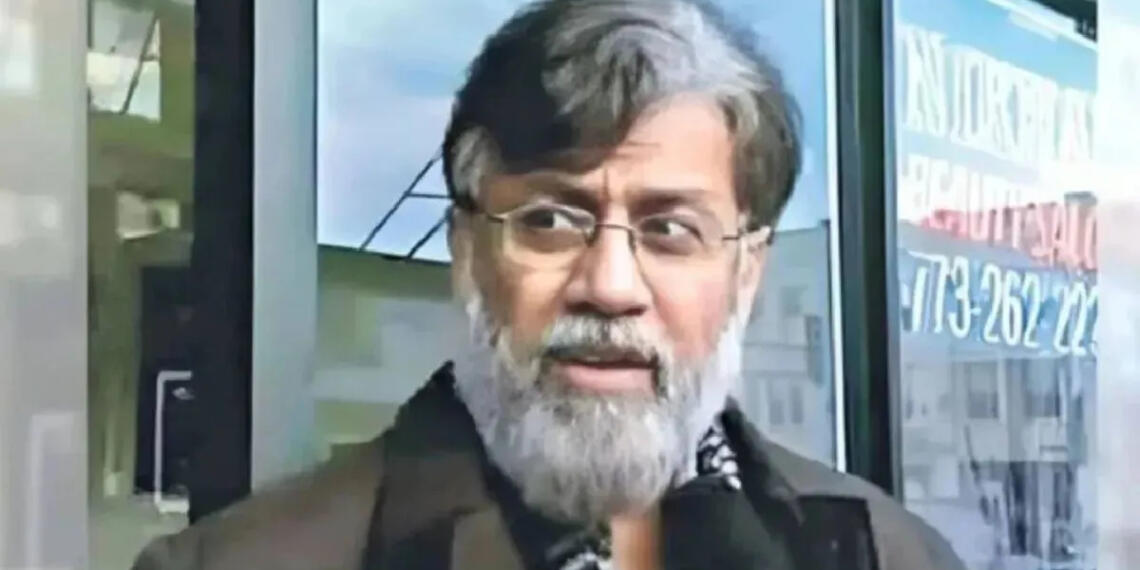
In a chilling revelation that underscores Pakistan’s direct involvement in the 26/11 Mumbai terror attacks, Tahawwur Rana, one of the key accused, has confessed to being a “trusted agent of the Pakistan Army”. During interrogation by the Mumbai Crime Branch and National Investigation Agency (NIA), Rana admitted not only to his role in the attacks but also confirmed his presence in Mumbai during the deadly 2008 carnage. His confession comes nearly 16 years after the terror strike that killed 166 innocent civilians and injured hundreds more. Extradited from the United States in April 2025, Rana is now lodged in Delhi’s high-security Tihar Jail under tight surveillance as the trial reopens against him.
Tahawwur Rana: The Pakistan Army’s Inside Man
Tahawwur Hussain Rana, a Canadian-Pakistani and former military doctor, has long been a name linked to the 26/11 attacks due to his association with David Coleman Headley the Pakistani-American LeT operative who scouted targets in Mumbai. Rana ran an immigration services business in Chicago, which was allegedly used by Headley as a cover for his recce missions in India.
In his latest confession, Rana revealed that he was a “trusted agent of the Pakistan Army”, a claim that confirms Indian suspicions of state-sponsored terrorism from across the border. He also stated that he was in Mumbai during the attacks, raising serious questions about the extent of his operational role on the ground.
The NIA is now investigating whether Rana played a more direct hand in coordinating logistics and communication between the ISI, Lashkar-e-Taiba, and the attackers.
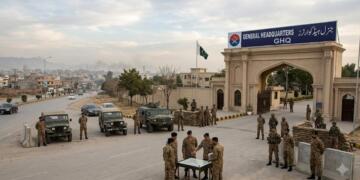
Rana’s explosive statement once again brings Pakistan’s terror infrastructure into the spotlight. The 26/11 attacks were carried out by 10 heavily armed LeT terrorists trained in Pakistan and guided in real-time by handlers sitting in Karachi. From Kasab to Headley, and now Rana every path leads back to Pakistan’s military-intelligence nexus.
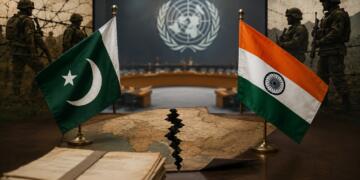
Despite India furnishing dossiers, audio evidence, and detailed testimonies, Islamabad has continually denied official involvement, offering token arrests and fake trials to escape global scrutiny. Rana’s confession combined with earlier admissions by Headley offers damning proof of Pakistan’s hand in orchestrating the bloodbath that unfolded over 60 hours in Mumbai’s hotels, railway stations, and Chabad House.
Hiding in the West: How Rana Was Deported to Face Justice
Rana was first arrested by the FBI in 2009 in connection with the plot to attack the Danish newspaper Jyllands-Posten. While he was convicted for that conspiracy, he was not found guilty by a U.S. court for the Mumbai attacks due to jurisdictional limitations. India persisted with its extradition request for over a decade.
In April 2025, after years of legal back-and-forth, the U.S. Supreme Court finally dismissed his appeal against extradition. On April 10, 2025, he was flown to India and immediately taken into NIA custody for interrogation. His deportation marks a significant diplomatic and legal victory for India.
Tihar Jail: Rana Under Tight Watch in High-Risk Ward
Since his arrival, Rana has been lodged in Delhi’s Tihar Jail under inmate number 1784, housed in a segregated ward for high-risk prisoners. He shares the block with six other dangerous inmates, including notorious gangsters, though each remains isolated in separate cells.
Sources within Tihar confirm that Rana speaks only in English and has made two basic requests access to books and a western toilet. “He has been compliant so far,” a jail official noted. His voice and handwriting samples have already been collected by the NIA as part of building a watertight case for trial.
On May 31, a Special NIA Court in Patiala House extended his judicial custody until June 6, allowing for further investigation and securing of evidence.
Justice Inches Closer for 26/11 Victims
India’s resolve to bring every 26/11 conspirator to justice is beginning to bear fruit. With Tahawwur Rana now back on Indian soil, and his confession placing Pakistan’s Army in the crosshairs, the case has entered a crucial phase. His trial could serve as a turning point in holding Islamabad accountable on the global stage for nurturing terrorists under the guise of national interest.
As families of the 166 victims continue to seek closure, Rana’s admission is not just a breakthrough it’s a reminder that terrorism has no expiry date, and justice will be pursued, no matter how long it takes.
(This is a developing story. More details awaited)