

















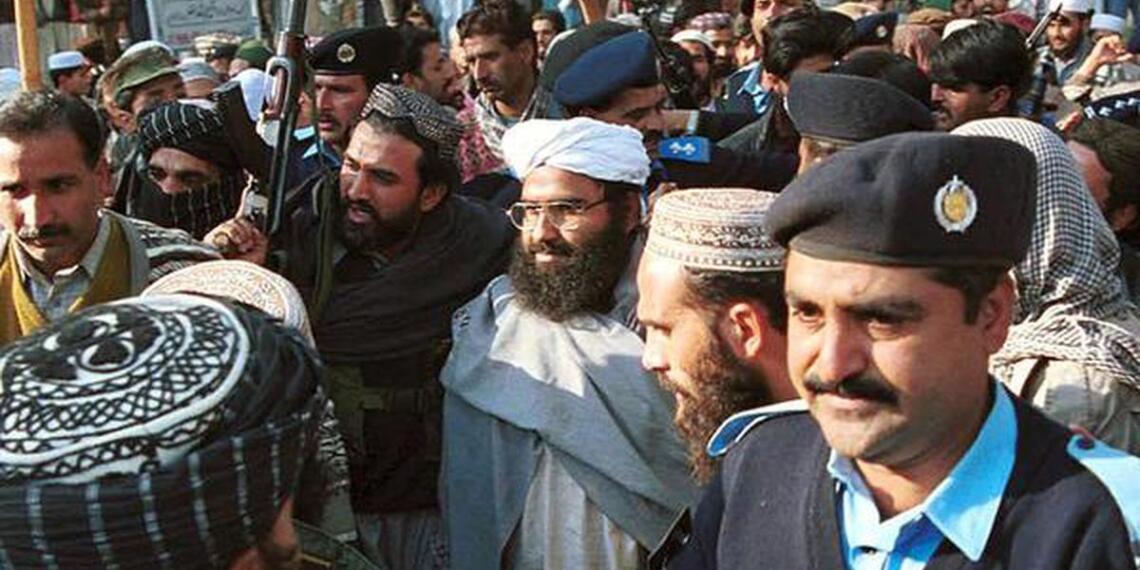
Pakistan’s former Foreign Minister Bilawal Bhutto-Zardari has stirred political and jihadi circles alike by openly stating his country has no objection to extraditing terrorists like Hafiz Saeed and Masood Azhar to India as a goodwill gesture. His remarks, made during an interview with Al Jazeera, drew sharp backlash from none other than Hafiz Saeed’s son, Talha Saeed, who called the statement disgraceful and accused Bhutto of betraying Pakistan. As the Pakistan People’s Party seeks international legitimacy, this move is being seen as part of Islamabad’s effort to appease global watchdogs like FATF but it’s triggered a storm within jihadi ranks.
Bilawal Bhutto’s Extradition Remark Sparks Political and Militant Outrage
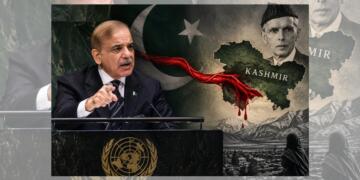
In a statement that has sent shockwaves through both political and extremist circles in Pakistan, former Foreign Minister and Pakistan Peoples Party (PPP) chief Bilawal Bhutto-Zardari recently said that his country would not oppose the extradition of terrorists like Lashkar-e-Taiba (LeT) chief Hafiz Saeed and Jaish-e-Mohammed (JeM) founder Masood Azhar to India, provided there is mutual cooperation. The comment came during an interview with Al Jazeera on July 4, where Bhutto was responding to a question about offering such extraditions as a goodwill gesture to New Delhi.
His remarks have created a stir within jihadi groups, especially among those with deep ties to the military establishment. Intelligence sources indicate that several such outfits, particularly those based in Punjab and Khyber Pakhtunkhwa, see this as a betrayal by the political class, who they believe are offering them up as pawns in Pakistan’s bid to earn global approval.
Talha Saeed’s Furious Response: “How Can He Offer My Father?”
Among the first to lash out was Talha Saeed, son of 26/11 Mumbai attacks mastermind Hafiz Saeed. In a scathing rebuke, Talha questioned Bilawal Bhutto’s credentials to speak on foreign policy matters, stating that the PPP leader has historically aligned with western and Indian narratives. “Bilawal Bhutto is not a true Muslim; how can he offer my father like this?” Talha said, claiming that such statements disgrace Pakistan in front of the world.
Talha further accused the PPP and its leadership of undermining national security and betraying jihadist elements that have long operated with the backing of the Pakistani establishment. He also alleged that India, not Pakistan, is responsible for terrorism in the region, and called on Pakistan’s media to highlight the danger of such political statements. According to sources, Talha’s words reflect growing frustration within radical groups who now feel abandoned by the political class in their pursuit of FATF compliance.
A Bid to Appease FATF and the West?
Top intelligence sources suggest that Bilawal Bhutto’s statements were not isolated but part of a larger, coordinated narrative being pushed by Pakistan’s civilian leadership to signal a shift in policy under international pressure. Pakistan has been under intense scrutiny from the Financial Action Task Force (FATF), which has repeatedly demanded irreversible action against terror financing networks and militant safe havens operating within its borders.
Sources reveal that Bhutto has privately assured Western capitals, including Washington and London, that Pakistan is dismantling these networks. He reportedly presented the seizure of assets, shutting down of 900+ radical institutions, and selective arrests as evidence of progress. The extradition offer, therefore, is being floated as part of a broader strategy to win global legitimacy, rebuild Pakistan’s crumbling economy, and avoid being grey-listed by FATF again.
However, this move has opened a serious rift between the political class and jihadist outfits, many of which see themselves as indispensable assets in Pakistan’s long-standing Kashmir policy. For decades, groups like LeT and JeM have enjoyed freedom to operate as “strategic depth” in regional conflicts. That very status is now being challenged by politicians like Bilawal Bhutto, triggering backlash and mistrust.
Pakistan’s Double Game: Terror Prosecution or Strategic Posturing?
While Pakistan has banned LeT and JeM under the National Counter Terrorism Authority (NACTA), the actual implementation has always remained questionable. Hafiz Saeed may be serving a 33-year sentence for terror financing, but he continues to wield influence through proxy networks. Masood Azhar, meanwhile, has long vanished from public view, with Pakistan claiming he resides in Afghanistan—an assertion India strongly refutes.
Bhutto admitted in his interview that prosecution for cross-border terrorism remains difficult due to what he termed “India’s non-cooperation.” He argued that Indian witnesses and evidence are needed to proceed with convictions, subtly shifting blame onto New Delhi. Yet such explanations ring hollow, especially given the numerous attacks linked to these men—from the 2001 Parliament attack and the 2016 Pathankot assault to the deadly 2019 Pulwama suicide bombing.
A Political Gamble That Risks Backlash
Bilawal Bhutto-Zardari’s statement on extraditing terrorists like Hafiz Saeed and Masood Azhar to India may be framed as a gesture of goodwill, but it has exposed deep fissures within Pakistan’s power structure. On one side is a political class desperate for international legitimacy and FATF relief, on the other are jihadist groups who have long operated with impunity under state protection. Talha Saeed’s angry response captures this internal conflict clearly he sees his father not as a global terrorist but as a national asset betrayed by political opportunism.
While Pakistan’s civilian leadership tries to rebrand itself as progressive and cooperative, it risks provoking terrorist groups that have historically enjoyed support from the military establishment. If extradition becomes more than rhetoric, it could trigger a dangerous backlash from sleeper cells and radical sympathisers both inside Pakistan and in the border regions.