





















He didn’t carry an AK-47 into the Taj. He didn’t open fire at Café Leopold. But Tahawwur Hussain Rana, a Pakistani-origin Canadian national, allegedly helped plan and enable the 2008 Mumbai terror attacks, and after nearly 16 years, he’s finally facing trial in India.
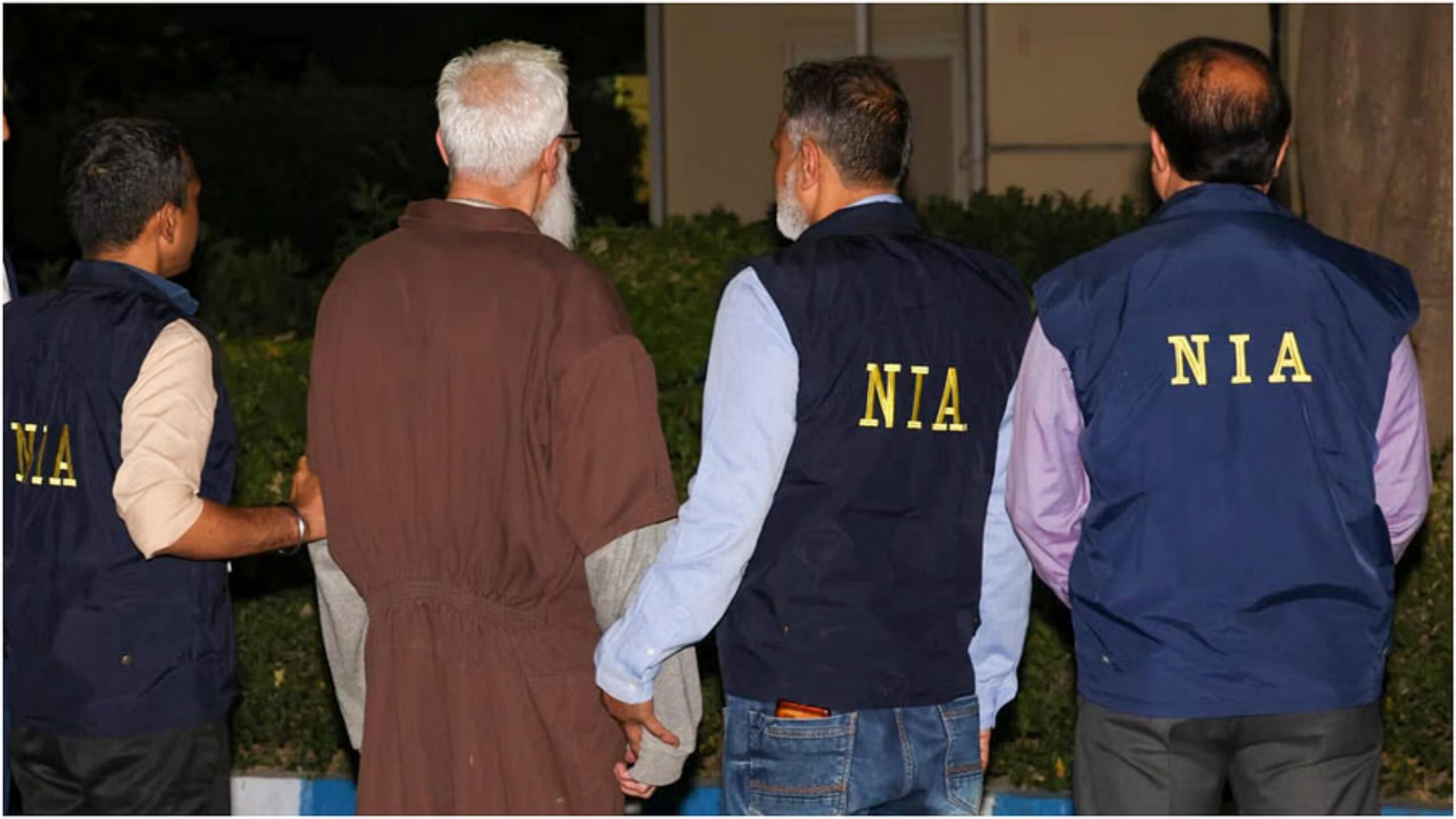
Extradited from the United States in May 2025 after an exhausting legal battle that ended with the U.S. Supreme Court dismissing his petition on April 4, Rana has now been formally charged by Indian authorities.
On July 9, India’s National Investigation Agency (NIA) filed a supplementary charge sheet against Rana, who is accused of conspiring with Lashkar-e-Taiba (LeT) terrorists, David Coleman Headley (aka Daood Gilani), and Pakistani intelligence-linked operatives in planning the multi-day terror assault that left 166 people dead and hundreds injured.
Rana, a former Pakistani Army doctor turned immigration service provider based in the U.S., was no bystander. According to investigators, his Chicago-based business was used as a front to provide cover and legitimacy to David Headley’s reconnaissance missions in Mumbai. Headley, who later turned approver in the U.S., confessed to surveying multiple 26/11 targets, including the Taj Mahal Palace Hotel and Chabad House, with Rana’s support.
Delayed, But Not Denied
After years of legal back-and-forth in the U.S., Rana was finally extradited to India in May 2025, following a U.S. Supreme Court ruling in April that cleared the final hurdle. His return marks a turning point in the long and painstaking pursuit of justice in the 26/11 case; one that has seen limited closure despite the gravity of the crime.
Delhi’s Patiala House court extended Rana’s judicial custody till August 13, the same date on which Special NIA Judge Chanderjit Singh will consider the newly filed supplementary charge sheet. It contains procedural elements such as an arrest memo, seizure records, and documentation linked to evidence collected post-extradition, including voice and handwriting samples.
The court is also set to hear Rana’s plea for regular phone calls to his family on July 15, which has so far been restricted to a single monitored call permitted on June 9 under Tihar Jail supervision.
Why This Matters
The supplementary charge sheet, while procedural, is significant; it represents the first formal Indian judicial move against Rana since his arrival. The original charge sheet was filed by NIA in December 2011, but this latest development signals India’s intent to push forward with the prosecution in a case of mass terrorism, conspiracy, and betrayal.
Let’s not forget: the 26/11 attacks were not spontaneous acts of violence; they were meticulously planned state-aided terrorism, executed with military precision and chilling intent. Tahawwur Rana, through his resources and network, allegedly enabled the terrorists to survey, target, and ultimately attack one of India’s most iconic cities.
Justice Interrupted; But Not Forgotten
That it took over a decade to bring Rana to Indian soil is a harsh reflection of the complexities of international law, diplomatic negotiations, and global legal systems. But now that he’s here, the onus is on Indian agencies and courts to ensure an uncompromised trial, untainted by delay or distraction.
Rana’s trial won’t undo the trauma of those terrifying November nights. But it can send a strong message: India does not forget, and it does not forgive terrorism; no matter how long justice takes.