























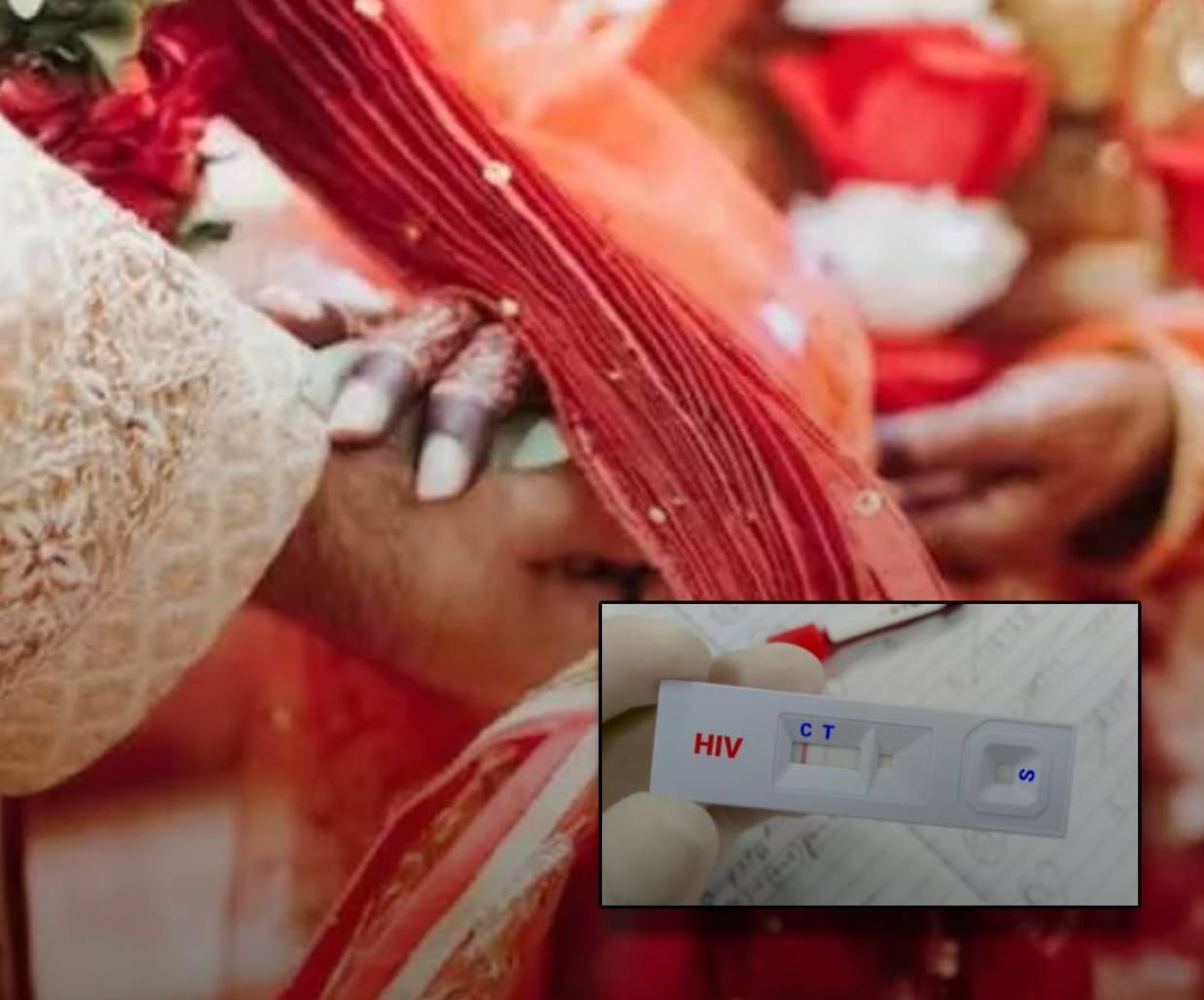
The Meghalaya government is preparing to introduce a law that would make HIV/AIDS testing mandatory for couples before marriage, as the state confronts a troubling surge in new infections. Health Minister Mazel Ampareen Lyngdoh confirmed the move, citing MACS data that links the spike in HIV cases largely to unprotected sexual activity and intravenous drug use; factors that have raised concern across both administrative and medical sectors.
Speaking at a press briefing in Shillong, Lyngdoh said the proposal is being modeled on Goa’s existing law and aims to prevent further spread through early detection. ‘We should have a set of laws like Goa to make pre-marriage HIV/AIDS testing mandatory. This will benefit our communities,’ she said.
Her statement followed a policy-level meeting chaired by Deputy Chief Minister Prestone Tynsong, where the government directed the Health Department to begin preparing a Cabinet note for a broader HIV/AIDS framework.
Behind the Data
The urgency behind the move is driven by stark figures. In 2024 alone, East Khasi Hills, home to the state capital, reported 3,432 HIV-positive cases, almost double the number recorded the previous year. Equally worrying, only 1,581 individuals among them are currently receiving anti-retroviral therapy (ART).
While infections were once concentrated in urban hubs, the virus has now made inroads into rural areas as well. In particular, the Jaintia Hills region has shown a steady rise in positive cases, prompting officials to plan similar district-level reviews and strategy meetings. According to MACS, unprotected sex remains the primary driver of transmission apart from rampant drug abuse, shedding light on persistent gaps in awareness, prevention, and access to sexual health services.
Quiet Traditions, Rising Risk
Meghalaya is often held up as a model of close-knit community life, where traditional structures, strong church networks, and cultural customs are deeply intertwined with daily living. With nearly 75% of the population identifying as Christian, the state is shaped by institutions that emphasize discipline, moral values, and social harmony.
Yet the unfolding HIV data tells a more complex story; one that challenges long-held assumptions. The rising infection rates, particularly among young adults, suggest that faith and tradition alone may no longer shield communities from changing social behaviors and silent health risks. Conversations around sex, testing, and transmission remain uncomfortable topics in many homes and congregations, leaving gaps that the virus quietly fills.
In that context, the proposed law is more than just a public health tool. It signals a broader shift in how the state confronts uncomfortable realities, balancing medical necessity with deep-seated cultural sensitivities.
A Step Forward, or a Mirror Held Up?
Supporters argue that pre-marital HIV testing could destigmatize conversations, encourage transparency between partners, and bring more people into the treatment system early before it’s too late. Detractors, however, worry about privacy, the risk of discrimination, and the idea of legislating personal choices.
But with the virus spreading silently and stigma continuing to keep many away from testing centers, the state may have few alternatives left. As Lyngdoh put it, ‘HIV/AIDS is not fatal if treated properly. We must ensure that everyone who has been tested is brought into the treatment system.’
The road ahead will require not just policy reform, but honest conversations within homes, schools, and faith-based spaces that have long held sway over moral life in the state.