






















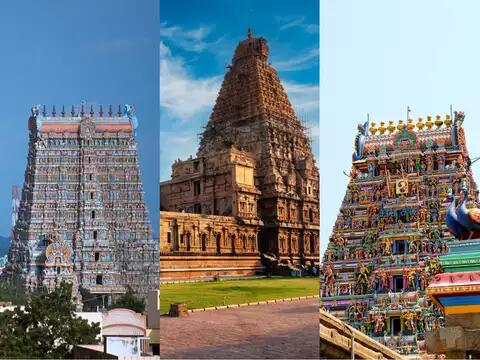
Is it morally and constitutionally acceptable for the Tamil Nadu government to divert temple funds, donated by lakhs of devotees with religious sentiment, for constructing government colleges? Would the government ever dare to touch the income of mosques or churches for similar purposes? This glaring question has sparked outrage across Tamil Nadu. With the DMK regime under fire, critics say this is not just about education, but a systematic disregard for Hindu sentiment and temple autonomy. The larger concern: why are temple donations used for state projects while the temples themselves remain underfunded and poorly maintained?
EPS Flags the Issue: DMK Diverts Devotee Donations
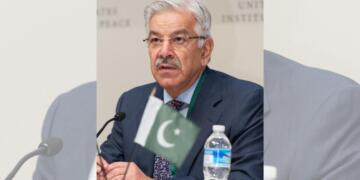
AIADMK Chief Edappadi K. Palaniswami (EPS) has launched a direct attack on the ruling DMK government, accusing it of misusing Hindu Religious and Charitable Endowments (HR&CE) department funds specifically temple money—to construct colleges across Tamil Nadu. Addressing a gathering recently, EPS said, “Good people donate to temples to strengthen their spiritual and cultural roots, not to fund colleges. If the DMK wants to build colleges, let them do so from the public education budget.”
EPS argued that the DMK’s actions represent a “planned conspiracy” to undermine temple institutions. He recalled that during the AIADMK tenure, colleges were built with state funds, not temple money. “This isn’t about opposing education. This is about the misuse of sacred funds. People are calling this a conspiracy,” he warned.
Temples Under Siege: BJP’s Longstanding Demand for Freedom from HR&CE
For years, the BJP has been advocating for freeing Hindu temples from government control. BJP leader and former Tamil Nadu president K. Annamalai reiterated this demand during his keynote address at the International Temples Convention & Expo (ITCX) 2025 in Tirupati.
Annamalai declared, “The Hindu Religious and Charitable Endowments (HR&CE) Act must be abolished. If NDA comes to power in Tamil Nadu, we will free the 44,000 temples from government clutches.” He highlighted how temples like Tirumala, with a market value of Rs. 2.5 lakh crore, have the potential to drive India’s economy if left autonomous.
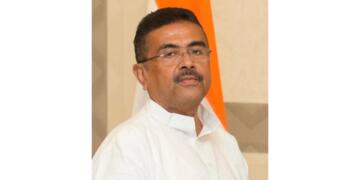
Senior BJP leader Dr. Subramanian Swamy has also filed multiple petitions in courts challenging state control of Hindu temples. He argues that government intervention violates religious freedom and is discriminatory since mosques and churches are not under such control.
From Anti-Sanatan Conference to Temple Control
One of the most controversial moments was the presence of HR&CE Minister Sekar Babu at an Anti-Sanatan Dharma Conference. How can a minister in charge of administering Hindu temples be associated with a platform that openly attacks the Sanatan Dharma?
This contradiction has angered many Hindu organisations and devotees, who feel betrayed. The same minister who oversees thousands of temples and their finances stood shoulder-to-shoulder with speakers who criticized core Hindu values and traditions. Is this an ideological conflict or a deliberate strategy to weaken temple structures?
EPS Aligns with BJP; Sparks Panic in DMK Ecosystem
The AIADMK’s alignment with BJP’s position on freeing temples and opposing fund misuse has intensified political discourse in Tamil Nadu. EPS’ criticism echoes BJP’s stand and adds weight to the movement demanding accountability and transparency in temple management.
The DMK’s ecosystem has gone into damage-control mode. DMK spokespersons have attacked EPS personally, accusing him of being an RSS lackey. But the former Chief Minister’s question stands firm: Why only temples? Why not raise funds from other religious bodies?
List of Colleges Built Using Temple Funds: Targeted or Inclusive?
While the DMK claims these colleges serve public interest, the truth lies in the selective source of funds. The following colleges have reportedly been constructed or funded in part by temple money:
- Arulmigu Palaniandavar Arts College, Palani – 1963
- Sri Parasakthi Women’s college, Thirunelveli – 1964
- Poompuhar college, Nagapattinam – 1964
- Sri Devi Kumari Women’s college, Kanniyakumari – 1965
- Arulmigu Palaniandavar women’s college – 1970
- Arulmigu Palaniandavar Engineering college – 1981
- Arulmigu Kapaleeswarar Arts and Science College, Chennai – 2021
All these colleges are named after temples but run as government institutions. The HR&CE department contributes to their infrastructure and operations, often without improving the condition of the temples themselves. Dilapidated sanctums, unpaid temple staff, and poor amenities continue to plague hundreds of temples across Tamil Nadu.
The core issue is not the construction of colleges, but the exclusive reliance on Hindu temple funds. If inclusive development is the goal, let mosque and church funds be included. But this selective targeting hurts the sentiments of millions of Hindus.
Temple Autonomy is a Call for Justice, Not Just Religion
As temple funds are siphoned off to build colleges while temples suffer neglect, a larger question looms: Is this about education or erasure? With EPS and BJP aligning to challenge the DMK’s selective secularism, the demand to free temples from government control gains renewed momentum. Hindus are not opposing education they are opposing discrimination. The State must either apply the same rule to all religions or get out of the business of managing faith. Temples are more than stone structures they are the spiritual and economic backbones of Sanatana Dharma. It’s time they are freed from political grip and restored to their rightful guardians: the devotees.