















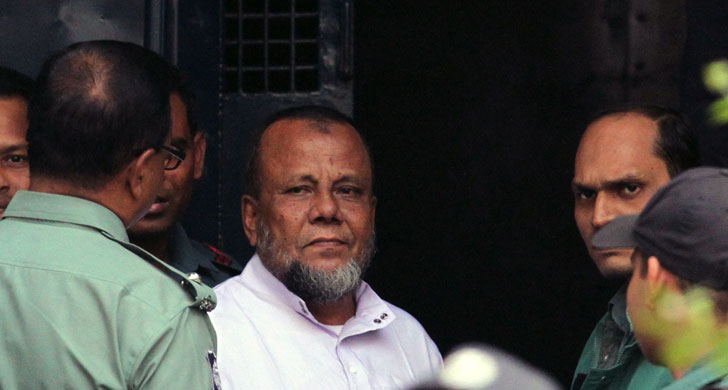
In a verdict that has reignited controversy in Bangladesh, the Supreme Court on Wednesday acquitted former Awami League leader Mobarak Hossain in a war crimes case related to the country’s 1971 Liberation War, overturning a death sentence handed to him in 2014. The ruling has raised serious concerns among minority communities, especially Hindus, who already feel vulnerable amid rising religious persecution under the current Yunus-led government. The verdict is seen by many as setting a dangerous precedent in a country still grappling with its violent past.
From War Criminal to Acquittal
Mobarak Hossain, once the organizing secretary of the Awami League’s Mogra Union unit in Akhaura Upazila of Brahmanbaria district, was sentenced to death by the International Crimes Tribunal-1 on November 24, 2014. The tribunal, comprising Justices M Enayetur Rahim, Jahangir Hossain, and Anwarul Haque, had found him guilty of crimes against humanity, including murder and abduction, during the 1971 Bangladesh Liberation War. Out of five charges brought against him, two were proven. He received the death penalty for one charge and life imprisonment for the other.
The court’s judgment had labelled Mobarak as one of the key members of the Razakar paramilitary force in Brahmanbaria — a group notorious for collaborating with the Pakistani army in committing some of the worst atrocities of the war. However, following years of legal battle, Mobarak appealed the decision, and the hearing on his appeal began on July 8 this year. The Appellate Division bench led by Chief Justice Syed Refaat Ahmed heard final arguments and fixed July 30 for the verdict, which eventually led to his acquittal.
The Dark Legacy of the Razakars
The Razakars played a notorious role during the Bangladesh Liberation War. Functioning as a pro-Pakistani auxiliary force, they were responsible for mass killings, torture, rapes, and abductions. Working hand-in-glove with the Pakistani military, the Razakars often carried out targeted killings of intellectuals, artists, journalists, and freedom fighters. In one of the most infamous incidents near the end of the war, they allegedly assisted in rounding up and executing over 200 Bengali intellectuals in a massacre designed to cripple the future leadership of the newly-emerging nation.
After the war, many Razakars were killed by local mobs, while others managed to flee to Pakistan. Over time, some re-entered political life in Bangladesh, often by aligning themselves with influential parties. Mobarak Hossain, whose ties with the Razakars were established by the 2014 tribunal, is one such controversial figure. His rise through the Awami League ranks and eventual re-entry into public life had already drawn criticism. Now, his acquittal has opened old wounds and raised serious questions about Bangladesh’s commitment to war crimes accountability.
Political Connections and Legal Loopholes
Mobarak’s association with the Awami League up to 2012 has drawn particular attention. The party, which prides itself on having led the country to independence, has often projected itself as a fierce opponent of the Razakars and their legacy. That a former organizing secretary of a local Awami League unit was once sentenced to death for Razakar-linked atrocities, and is now acquitted, reflects the troubling intersections of politics, justice, and history in Bangladesh.
His acquittal was secured through the efforts of senior advocate Barrister Imran Abdullah Siddique, while state prosecutor Gazi MH Tamim represented the government. Legal experts say that the failure to prove charges “beyond reasonable doubt” played a crucial role in the Supreme Court’s decision. However, critics argue that procedural leniency and political influence may have clouded the judicial process. The war crimes tribunal had been set up to offer closure to the victims’ families and justice to the nation, but such reversals only add to the sense of betrayal.
Rising Religious Persecution Adds to the Alarm
This verdict comes at a time when religious persecution, particularly against Hindus, is already a burning issue in Bangladesh. There have been multiple reports of temple desecrations, forced conversions, and violent mob attacks targeting Hindu communities across the country. With the Yunus-led government under global scrutiny for its failure to curb hate crimes and communal violence, the release of a convicted war criminal only deepens the existing fears among minorities.
Hindus in Bangladesh, who already live in a climate of anxiety, now see this acquittal as symbolic of a larger trend—of weakening accountability, growing Islamist influence, and erosion of the war’s secular and inclusive ideals. Observers fear this decision could embolden other war criminals and allow them to re-enter mainstream politics, thereby undermining the very foundation of Bangladesh’s liberation movement.
A Dangerous Precedent for Justice
The acquittal of Mobarak Hossain is not just a legal decision—it is a political and moral flashpoint. It signals a worrying shift in Bangladesh’s justice system, one that appears increasingly compromised by political interests and populist pressures. The implications go beyond one man’s release; they touch on national identity, historical justice, and the safety of religious minorities. At a time when Bangladesh is already grappling with rising hate crimes and communal polarization, the release of a Razakar-linked figure once sentenced to death casts a long, dark shadow over the country’s democratic and secular aspirations. It is a reminder that without unwavering commitment to justice, history is bound to repeat itself—this time with even graver consequences.