




















TFIPOST हिन्दी
TFIPOST Global
Tfipost.com
Tfipost.com
No Result
View All Result
  • Premium
  • Politics
    • All
    • Analysis
    • Opinions
    • Trending
    A major cross-border crackdown brings one of India’s most wanted narco operators back into custody.

    D-Company’s ₹5,000 Crore Drug Empire Shattered as India Brings Back Dawood Aide Salim Dola after Global Hunt

    New Bengal at the Crossroads: Why 2026 Could Become a Defining Political Moment

    New Bengal at the Crossroads: Why 2026 Could Become a Defining Political Moment

    Mumbai’s Pahalgam Claim Triggers Political Storm

    Mumbai’s Pahalgam Claim Triggers Political Storm

    Recovered arms and arrests have intensified scrutiny on a suspected cross-border terror network.

    Pakistan’s Proxy War Faces a Setback as Delhi Terror Plot is Crushed, 18 Weapons Seized

    • Analysis
    • Opinions
    • Trending
  • Economy
    • All
    • Business
    • Economy1
    • Finance
    India–New Zealand FTA signed in New Delhi, marking a “once in a lifetime” moment in trade ties.

    India, New Zealand Seal Fast-Tracked Trade Pact to Expand Duty-Free Access, Jobs and $5 Billion Trade Target

    Ahmadis in Pakistan: From Faith to Marginalisation Under Law and Society

    Ahmadis in Pakistan: From Faith to Marginalisation Under Law and Society

    Open Demat Account with Zero Annual Maintenance Charges What to Look For

    Open Demat Account with Zero Annual Maintenance Charges What to Look For

    Blood in the Meadows: How the Pahalgam Terror Attack Exposed Calculated Targeting of Civilians in Kashmir

    Blood in the Meadows: How the Pahalgam Terror Attack Exposed Calculated Targeting of Civilians in Kashmir

    • Business
    • Finance
  • Defense
    • All
    • Defence
    • Strategy
    • Weaponry
    Recovered arms and arrests have intensified scrutiny on a suspected cross-border terror network.

    Pakistan’s Proxy War Faces a Setback as Delhi Terror Plot is Crushed, 18 Weapons Seized

    The scars of Pahalgam endure, even as the nation moves forward

    Pahalgam Anniversary: Modi Signals Firm National Stand as India Reasserts Anti-Terror Resolve

    Precision Strike: Indian Army Approves Procurement of Indigenous MPATGM to Modernise Infantry Wings

    Precision Strike: Indian Army Approves Procurement of Indigenous MPATGM to Modernise Infantry Wings

    Amit Shah on sensitive Gorkha land issue

    Shah Assures Constitutional Path for Gorkha Issue, Intensifies Attack on TMC at Bengal Rally

    • Defence
    • Strategy
    • Weaponry
  • Geopolitics
    • All
    • Africa
    • Americas
    • Asia Pacific
    • Europe
    • South Asia
    • West Asia
    When law becomes an instrument of exclusion, persecution moves far beyond the courtroom.

    Ahmadis in Pakistan: From Faith to Marginalisation Under Law and Society

    When uranium becomes strategy, India moves first.

    India’s $4 Billion Uranium Coup with Kazakhstan Rewrites the Global Nuclear Balance

    Pakistan Tried to Bury an NYT Report. It Only Exposed Asim Munir’s Panic

    Pakistan Tried to Bury an NYT Report. It Only Exposed Asim Munir’s Panic

    The Strategic Double-Game: Pakistan’s Fatal Gambit in the US-Iran War

    The Strategic Double-Game: Pakistan’s Fatal Gambit in the US-Iran War

    • Africa
    • Americas
    • Asia Pacific
    • Europe
    • South Asia
    • West Asia
  • Knowledge
    • All
    • Culture
    • Education
    • History
    • Indology
    Chants of ‘Jai Badri Vishal’ Echo as Badrinath Portals Open; All Four Dhams Now Accessible to Pilgrims

    Chants of ‘Jai Badri Vishal’ Echo as Badrinath Portals Open; All Four Dhams Now Accessible to Pilgrims

    Kedarnath Dham Portals Open for Devotees After 181 Days Amid Vedic Chants, Traditional Rituals

    Kedarnath Dham Portals Open for Devotees After 181 Days Amid Vedic Chants, Traditional Rituals

    Sardar Patel and Amit Shah

    Sardar Patel’s 1947 Blueprint on Minority Quotas Resurfaces as Reservation Debate Returns to Centre Stage

    The 1973 Constitution and ‘Bhutto’ the Man Who Made It: What Pakistan Owes and What It Destroyed

    The 1973 Constitution and ‘Bhutto’ the Man Who Made It: What Pakistan Owes and What It Destroyed

    • Culture
    • History
    • Indology
  • Law
  • Lounge
    • All
    • Books
    • Cinema
    • Entertainment
    • Food
    • Games
    • Health
    • Lifestyle
    • Satire
    • Sports
    • technology
    • Travel
    When regulation meets the algorithm

    India Tightens Digital Control as Online Blocking Orders Surge to 24,300 Amid AI Deepfake Trend

    Digital Data Collection In India

    India’s Data Reset Begins: Census 2027 to Become First Fully Digital Population Count

    5 Facilities in Bengaluru Specializing in Mental Health Treatment for Those with Cancer

    5 Facilities in Bengaluru Specializing in Mental Health Treatment for Those with Cancer

    UNESCO World Book Day and Copyright Day

    World Book Day 2026: UNESCO’s Multilingual Push Aligns with India’s Deep Literary Continuum

    • Books
    • Cinema
    • Food
    • Health
    • Sports
    • technology
    • Travel
    • Satire
Tfipost.com
  • Premium
  • Politics
    • All
    • Analysis
    • Opinions
    • Trending
    A major cross-border crackdown brings one of India’s most wanted narco operators back into custody.

    D-Company’s ₹5,000 Crore Drug Empire Shattered as India Brings Back Dawood Aide Salim Dola after Global Hunt

    New Bengal at the Crossroads: Why 2026 Could Become a Defining Political Moment

    New Bengal at the Crossroads: Why 2026 Could Become a Defining Political Moment

    Mumbai’s Pahalgam Claim Triggers Political Storm

    Mumbai’s Pahalgam Claim Triggers Political Storm

    Recovered arms and arrests have intensified scrutiny on a suspected cross-border terror network.

    Pakistan’s Proxy War Faces a Setback as Delhi Terror Plot is Crushed, 18 Weapons Seized

    • Analysis
    • Opinions
    • Trending
  • Economy
    • All
    • Business
    • Economy1
    • Finance
    India–New Zealand FTA signed in New Delhi, marking a “once in a lifetime” moment in trade ties.

    India, New Zealand Seal Fast-Tracked Trade Pact to Expand Duty-Free Access, Jobs and $5 Billion Trade Target

    Ahmadis in Pakistan: From Faith to Marginalisation Under Law and Society

    Ahmadis in Pakistan: From Faith to Marginalisation Under Law and Society

    Open Demat Account with Zero Annual Maintenance Charges What to Look For

    Open Demat Account with Zero Annual Maintenance Charges What to Look For

    Blood in the Meadows: How the Pahalgam Terror Attack Exposed Calculated Targeting of Civilians in Kashmir

    Blood in the Meadows: How the Pahalgam Terror Attack Exposed Calculated Targeting of Civilians in Kashmir

    • Business
    • Finance
  • Defense
    • All
    • Defence
    • Strategy
    • Weaponry
    Recovered arms and arrests have intensified scrutiny on a suspected cross-border terror network.

    Pakistan’s Proxy War Faces a Setback as Delhi Terror Plot is Crushed, 18 Weapons Seized

    The scars of Pahalgam endure, even as the nation moves forward

    Pahalgam Anniversary: Modi Signals Firm National Stand as India Reasserts Anti-Terror Resolve

    Precision Strike: Indian Army Approves Procurement of Indigenous MPATGM to Modernise Infantry Wings

    Precision Strike: Indian Army Approves Procurement of Indigenous MPATGM to Modernise Infantry Wings

    Amit Shah on sensitive Gorkha land issue

    Shah Assures Constitutional Path for Gorkha Issue, Intensifies Attack on TMC at Bengal Rally

    • Defence
    • Strategy
    • Weaponry
  • Geopolitics
    • All
    • Africa
    • Americas
    • Asia Pacific
    • Europe
    • South Asia
    • West Asia
    When law becomes an instrument of exclusion, persecution moves far beyond the courtroom.

    Ahmadis in Pakistan: From Faith to Marginalisation Under Law and Society

    When uranium becomes strategy, India moves first.

    India’s $4 Billion Uranium Coup with Kazakhstan Rewrites the Global Nuclear Balance

    Pakistan Tried to Bury an NYT Report. It Only Exposed Asim Munir’s Panic

    Pakistan Tried to Bury an NYT Report. It Only Exposed Asim Munir’s Panic

    The Strategic Double-Game: Pakistan’s Fatal Gambit in the US-Iran War

    The Strategic Double-Game: Pakistan’s Fatal Gambit in the US-Iran War

    • Africa
    • Americas
    • Asia Pacific
    • Europe
    • South Asia
    • West Asia
  • Knowledge
    • All
    • Culture
    • Education
    • History
    • Indology
    Chants of ‘Jai Badri Vishal’ Echo as Badrinath Portals Open; All Four Dhams Now Accessible to Pilgrims

    Chants of ‘Jai Badri Vishal’ Echo as Badrinath Portals Open; All Four Dhams Now Accessible to Pilgrims

    Kedarnath Dham Portals Open for Devotees After 181 Days Amid Vedic Chants, Traditional Rituals

    Kedarnath Dham Portals Open for Devotees After 181 Days Amid Vedic Chants, Traditional Rituals

    Sardar Patel and Amit Shah

    Sardar Patel’s 1947 Blueprint on Minority Quotas Resurfaces as Reservation Debate Returns to Centre Stage

    The 1973 Constitution and ‘Bhutto’ the Man Who Made It: What Pakistan Owes and What It Destroyed

    The 1973 Constitution and ‘Bhutto’ the Man Who Made It: What Pakistan Owes and What It Destroyed

    • Culture
    • History
    • Indology
  • Law
  • Lounge
    • All
    • Books
    • Cinema
    • Entertainment
    • Food
    • Games
    • Health
    • Lifestyle
    • Satire
    • Sports
    • technology
    • Travel
    When regulation meets the algorithm

    India Tightens Digital Control as Online Blocking Orders Surge to 24,300 Amid AI Deepfake Trend

    Digital Data Collection In India

    India’s Data Reset Begins: Census 2027 to Become First Fully Digital Population Count

    5 Facilities in Bengaluru Specializing in Mental Health Treatment for Those with Cancer

    5 Facilities in Bengaluru Specializing in Mental Health Treatment for Those with Cancer

    UNESCO World Book Day and Copyright Day

    World Book Day 2026: UNESCO’s Multilingual Push Aligns with India’s Deep Literary Continuum

    • Books
    • Cinema
    • Food
    • Health
    • Sports
    • technology
    • Travel
    • Satire
No Result
View All Result
Tfipost.com
Tfipost.com
No Result
View All Result
  • Premium
  • Politics
  • Economy
  • Defense
  • Geopolitics
  • Knowledge
  • Law
  • Lounge

This Week in Focus: These Steps Are Necessary To Avoid Another Atul Subhash Tragedy

Atul Subhash tragedy and how we can prevent its repetition

Bull's Eye by Bull's Eye
15 December 2024
in Analysis, Culture, Legal, Lifestyle, Opinions
This Week in Focus: These Steps Are Necessary To Avoid Another Atul Subhash Tragedy

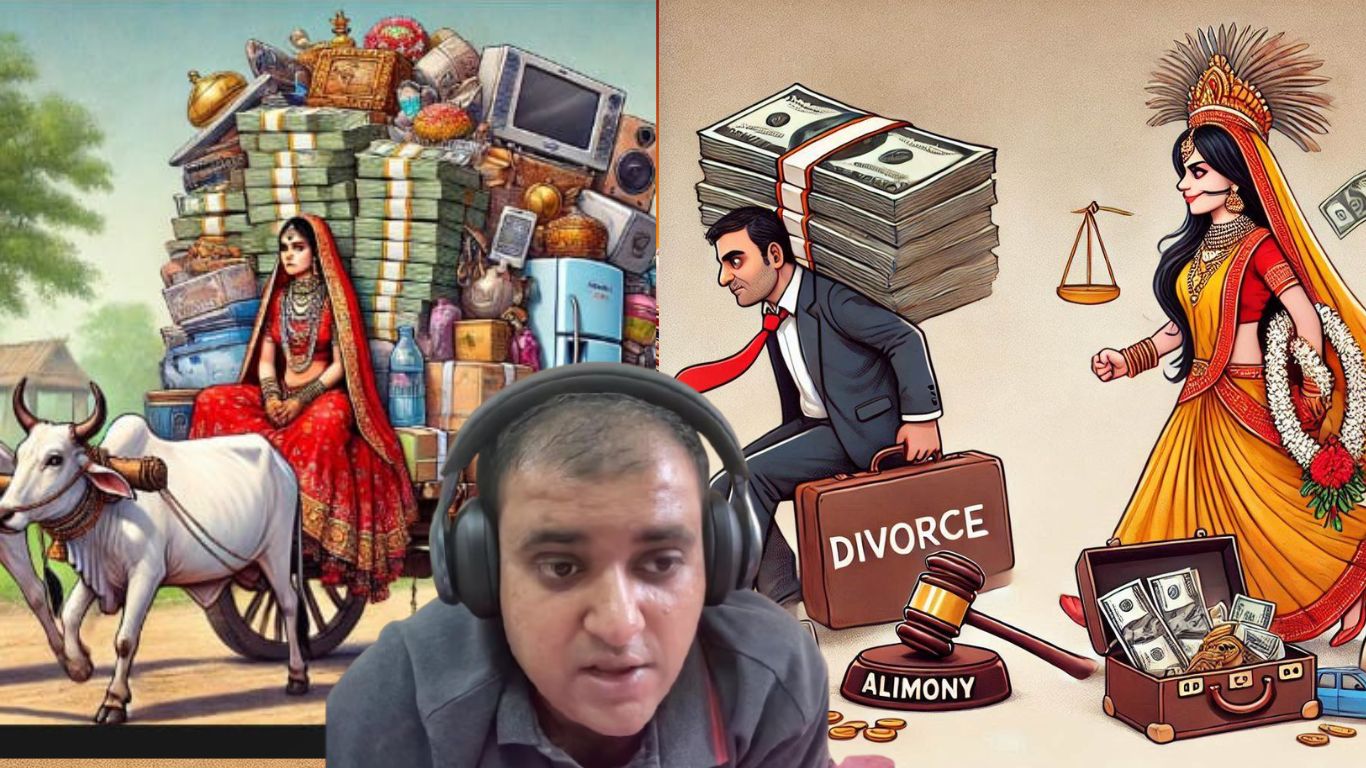
(AI generated Image)

Share on FacebookShare on X

Criminal lawyers get to see the best in the worst of the humans while divorce lawyers witness the worst in the best of humans.

One can choose to blame one gender or one person in such a state of affairs, but that does not lead to any solution. Instead, we need to assimilate those criticisms into possible solutions.

RelatedPosts

TCS Nashik Harassment Scandal: HR Manager Nida Khan Under Investigation

UP CM Yogi Adityanath Inspects Noida’s Jewar Airport Ahead of Its Inauguration by PM Modi on March 28

Tamil actor Vijay Faces Divorce Petition After 27 Years of Marriage

Load More

There was a time when local dispute settlement mechanisms like panchayats or a meeting between two families were used to settle marital disputes.

The rationale behind including local machinery in divorce cases is that broken families not only have an impact on their own children, but also on larger society as a whole. Statistics are pretty clear that single-parent kids (especially single mothers) fare far worse in life than children of two parents.

In the last few decades, communitarian thinking is increasingly being replaced by an individual-based approach. Establishment of high-rise buildings and apartments is making way for nuclear families which are often without elder members. We are now at a time when the birth rate is plummeting and couples are looking for their own personal happiness rather than passing the gene pool.

In these circumstances, divorce becomes the natural consequence and children become the natural sufferers. In modern-day judicial systems, it is assumed that women are the worst sufferers in marriage, and the system is designed to take due care of them.

For instance, if there is a question about fixing the place of hearing, the court which will be closer to her will hear the case. Even if the husband is living thousands of kilometres away, he won’t be granted any relief. 

Atul Shubhash, the top techie who committed suicide leaving harrowing details of his ordeals, was summoned 120 times in two years for multiple cases filed against him. He had to rush from Bengaluru to Jaunpur and vice versa virtually every week.

The Judge Rita Kaushik, whom he held as one of the instigators of suicide, is said to have done this at the behest of his wife Nikita Singhania after Atul refused to pay a bribe of Rs 5 lakh to her for settling false cases filed by Singhania.

These false cases in divorce proceedings are way too common and even the best of feminist judges in High Courts and Supreme Court are aware of it. The fake cases include charges of domestic violence, dowry, sexual assault and even rape. There have been cases in which old fathers-in-law were dragged by the woman’s family members in court on the charges that he raped his daughter-in-law.

Bizarrely, most of these cases end up in either acquittal or settlement. In both these circumstances, every ounce of man and his family is sucked by legal procedures. For instance, if a man or his family members do not appear for cases, summons are quickly sent, while if a woman or her family do not come up, courts take a sympathetic approach and demand simple medical certificates which can easily be made by anyone.

These cases tend to drag for years and after the man is totally exhausted, he has to settle under duress. The legal term for such money-spinner schemes is extortion, but since it’s court-sanctioned, so we are supposed to not use it.

There are a few common reasons behind all these harassment. The biggest one of them is an inefficient legal system. According to 2011 census figures, India has barely 21 judges per 10 lakh population. For a healthy and efficient legal system, it should be more than 50. The number for the United States is 107, while for Canada, it is 75.

The second problem is too much emphasis on processes and documentation. More than common sense, our courts rely on elaborate procedures, making common sense and application of a rational mind an irrelevant aspect of problem-solving. This is part of the reason why lower courts have been apprehensive of using video conferencing facilities as seen in Atul’s case.

The third problem is selective application of these procedures. The same procedure true for a section of the population, won’t be true for others. A woman can’t be arrested between sunset and sunrise by any officer; even while arresting her, a female officer is required. But a man can be arrested anytime, and the gender of the officer is no bar.

In divorce cases, all these factors come together to harass a man. The fourth problem which a man faces is a legal tradition in which a woman’s words act as sacrosanct, and no matter how absurd it is, a man needs evidence to prove her wrong. The reverse is not true. Treating women’s words as gospel truth even overrides the above three factors when it comes to contributing factors of harassment.

But the main catalyst here is alimony provisions in Indian laws. Ask the honest opinion of anyone who has practiced in family court, and they will tell you that in divorce cases initiated by women – which are the majority – it all boils down to alimony, which is the amount required by the less capable spouse after the divorce.

In the majority (more than 99 percent) of cases, it is believed that women tend to lose more financial clout after divorce, which is why most alimony laws provide for her maintenance. Only Hindu law provides for alimony to the husband, but its practical application is next to none.

Alimony evolved at a time when there were far fewer opportunities for women in the workplaces. After marriage, her husband and family were the only ones on whom she could rely for sustenance. So, if divorce happened, she would end up in a hand-to-mouth situation.

Alimony’s ultimate and sole purpose is to give her enough to sustain a respected living, and if the child lives with her, an added amount to be able to take care of them. In more than 90 percent of custody battles, children ultimately are handed over to women, so she has the opportunity to grab both sums.

With the passage of time, the purpose of sustenance has evolved into maintaining social and financial status even after the divorce. It no longer remains a means for a woman to educate herself enough to be strong enough to not take alimony. It is now a means for a woman to sit idle and snatch as much money from her husband and family.

The Supreme Court is also aiding this process by stating that even if a man has to sell his ancestral home, he needs to execute the sale deed to fulfil his wife’s demands.

Here are some of the judgements in which courts went too far in favour of the gynocentric social order:

In September this year, Allahabad High Court said that even if a widowed daughter refuses to stay with her in-laws, she would still be eligible to entice maintenance from them.

In 2015, Bombay High Court told a man that even if he is jobless, he needs to pay alimony to his wife.

In April this year, the Karnataka High Court asked a 75 percent disabled man to pay maintenance to his wife.

These are a few tips of icebergs, and roots of all matrimonial cases can easily be traced back to greed related to alimony. There is absolute disregard for the sanctity of law, legal procedures and human rights for men in this country. Judicial officers, advocates and media look at men in courts as ATM machines, and even the Apex Court is not immune from such bias.

There have been a few developments such as setting up alimony guidelines, but no one follows them. Women are demanding lakhs of rupees per month due to encouragement given by their advocates, who do not have their happy married lives as their sole interest. Courts also surrender to it with rare exceptions.

In most of these cases, real victims – the laws which were supposed to benefit them – somehow are left behind. That is the rationale behind not changing legal provisions as it will impact actual victims. But surely, there are more checks and balances needed.

One could begin with video conferencing of each and every proceeding of family law. Secondly, a timeline of six months could be set, and judges not following it need to be penalised. If judges find that advocates are delaying it, she could recommend her licence to be suspended or give the judgement against that advocate’s client.

Meanwhile, until these issues get sorted on legal fronts, governments and private sectors can chip in with a few mechanisms which could drastically improve the state of affairs for both parties, especially women.

Alimony fund: With the help and active support from non-government organisations, the government can establish an alimony fund for women who are divorced. Companies fulfilling their corporate social responsibility duties can do their bit by putting money in it. Similarly, companies providing reservation for women should also need to put money in it since hiring women saves money compared to hiring men due to the wage gap. 

Given that the problem of divorce is only going to increase, fund managers can be asked to invest that money, and returns can be allocated to needy women. In the long run, this fund can turn out to be more advantageous than pension funds since government job based pension funds help only less than 2 percent of the population.

Job schemes: Job portals can be opened for divorced women since they would have more free time due to not having the compulsion to serve husbands and in-laws. From helping poor women in learning skills like tailoring to helping mid-life career women who sacrificed their careers for the family, it could be net good for everyone. 

The private sector needs to participate more here since in any exigency, they tend to lose more from the possibility of women resigning from the job. A horizontal reservation in schemes like MGNREGA and private sector Diversity, Equity and Inclusion (DEI) for divorced women would also be of great help for women. Of course, they should not compromise with the quality of services delivered.

Divorce insurance: Insurance companies need to come up with innovative ways of securing financial independence for both men and women. Just like life and health insurance, they could also fix a certain premium for divorce insurance. A time-specific provision in life insurance schemes could also solve this problem. 

Regarding fear of losing money, the companies need to remain certain that it will take decades for divorce rates to go above 20 per cent. However, the fear of divorce is always there, which would help them in increasing India’s insurance penetration of four per cent to well above 10 percent.

Women are becoming worse sufferers of this whole debate. Their reputation of self-respecting and more evolved party of humans is tanking due to lopsided provisions. It also indicates that they are not free from shackles of patriarchy even after divorce.

For men, love, respect and finances become casualty. The unsaid contract of traditional marriage is that women will take care of family life and provide love, while men will provide finance and take care of outside dangers. Rise of the welfare state has supplanted the role of men into the hands of the state which comprise governments, private sector and other institutions.

After separation, while the woman keeps getting what she used to get before divorce, the man is snatched of everything. He does not have a wife to love, kids to live for and has lost much of physical and mental ability due to gruesome proceedings. The money which he could use to remarry and restart a new life is also snatched in the name of alimony.

They are reduced to money minting machines in family courts and if Courts do not recognise it, marriages will not appeal to men anymore. 

Even the party in power needs to think upon it since ideologues like Mohan Bhagwat advocate for producing more kids. 

Contrary to popular gynocentric opinions, men are creators of life while women are carriers of it. It is time we start respecting them, especially those men who carry the economy on their shoulders.


Tags: Alimonyatrocities against menAtul Subhashchild custodyCrime against menDivorceharassmentJudge Rita KaushikMaintenancemarital disputesMarriagesmens rights child custodyNikita Singhania
ShareTweetSend
Previous Post

The Irony of Intersectionality In Justice Nariman Speaking Against Ram Janmabhoomi Judgement

Next Post

Discover Your Dream Home: Explore Stunning Flats in Chennai

Related Posts

A major cross-border crackdown brings one of India’s most wanted narco operators back into custody.
Law

D-Company’s ₹5,000 Crore Drug Empire Shattered as India Brings Back Dawood Aide Salim Dola after Global Hunt

28 April 2026

India has brought back Salim Dola, a close aide of fugitive gangster Dawood Ibrahim and a central figure in...

When regulation meets the algorithm
Crime

India Tightens Digital Control as Online Blocking Orders Surge to 24,300 Amid AI Deepfake Trend

27 April 2026

India’s digital regulation has intensified sharply. In 2025, government blocking orders reached 24,300. This marks a major jump from...

Judicial order, political defiance.
Law

From Recusal to Revolt: Kejriwal Boycotts Delhi HC Proceedings

27 April 2026

Arvind Kejriwal has escalated the Delhi excise policy case into a confrontation with the judiciary. He has refused to...

Load More

Leave a Reply Cancel reply

Your email address will not be published. Required fields are marked *

I agree to the Terms of use and Privacy Policy.
This site is protected by reCAPTCHA and the Google Privacy Policy and Terms of Service apply.

Currently Playing

From Runways to Warships: India’s Firefighting Warrior Built for Bases & Battles| IAF | VayuShakti

From Runways to Warships: India’s Firefighting Warrior Built for Bases & Battles| IAF | VayuShakti

00:05:40

Ethanol, EVs and Solar- How India’s Energy Game Is Changing | Modi on LPG & Crude Oil | war| Hormuz

00:05:21

Truth of IRIS Dena: 8 Days That Changed Narrative | War zone Reality, Not an Indian Navy Exercise

00:08:02

300 Million Euros for SCALP: Strategic Necessity or Costly Dependency on France300

00:04:06

Tejas Mk1A: 19th aircraft coupled but Not Delivered: What Is Holding Back the IAF Induction?

00:07:21
Facebook Twitter Instagram Youtube
tfipostTfipost.com
Right Wing | News Analysis | Indian Opinion
  • About us
  • Contact Us
  • Careers
  • Brand Partnerships
  • Terms of use
  • Privacy Policy
  • Sitemap

©2026 TFI Media Private Limited

No Result
View All Result
  • Premium
  • Politics
    • Analysis
    • Opinions
    • Trending
  • Economy
    • Business
    • Finance
  • Defense
    • Defence
    • Strategy
    • Weaponry
  • Geopolitics
    • Africa
    • Americas
    • Asia Pacific
    • Europe
    • South Asia
    • West Asia
  • Knowledge
    • Culture
    • History
    • Indology
  • Law
  • Lounge
    • Books
    • Cinema
    • Food
    • Health
    • Sports
    • technology
    • Travel
    • Satire
TFIPOST हिन्दी
TFIPOST Global

©2026 TFI Media Private Limited