


















TFIPOST हिन्दी
TFIPOST Global
Tfipost.com
Tfipost.com
No Result
View All Result
  • Premium
  • Politics
    • All
    • Analysis
    • Opinions
    • Trending
    Not Just Strike-Ready: How the IAF’s Swadeshi FF Bot Is Redefining What Airbase Preparedness Means

    Not Just Strike-Ready: How the IAF’s Swadeshi FF Bot Is Redefining What Airbase Preparedness Means

    ‘BAPS Temple’ Row: Guardian Report, Legal Closure, and the Debate Over Allegations

    ‘BAPS Temple’ Row: Guardian Report, Legal Closure, and the Debate Over Allegations

    Trump Says US Sent Guns to Iranian Protesters, Alleges ‘Kurds Kept Weapons Sent’

    Trump Says US Sent Guns to Iranian Protesters, Alleges ‘Kurds Kept Weapons Sent’

    Hyderabad Case and the Debate on ‘Love Jihad’: Allegations, Law, and Larger Questions

    Hyderabad Case and the Debate on ‘Love Jihad’: Allegations, Law, and Larger Questions

    • Analysis
    • Opinions
    • Trending
  • Economy
    • All
    • Business
    • Economy1
    • Finance
    IAF Seeks Clearance for 2,500 Homegrown Software Defined Radios Induction to Build ‘Airborne Internet’ Network

    IAF Seeks Clearance for 2,500 Homegrown Software Defined Radios Induction to Build ‘Airborne Internet’ Network

    Pakistan to Repay USD 3.5 Billion UAE Debt by April-End, Early Repayment Decision Amid Changing Terms

    Pakistan to Repay USD 3.5 Billion UAE Debt by April-End, Early Repayment Decision Amid Changing Terms

    Russia Offers Increased Oil and Gas Supplies to India Amid Middle East Tensions

    Russia Offers Increased Oil and Gas Supplies to India Amid Middle East Tensions

    ‘Silenced, Not Defeated’: Raghav Chadha Attacks AAP a Day After Losing Rajya Sabha Deputy Leader Post

    ‘Silenced, Not Defeated’: Raghav Chadha Attacks AAP a Day After Losing Rajya Sabha Deputy Leader Post

    • Business
    • Finance
  • Defense
    • All
    • Defence
    • Strategy
    • Weaponry
    Not Just Strike-Ready: How the IAF’s Swadeshi FF Bot Is Redefining What Airbase Preparedness Means

    Not Just Strike-Ready: How the IAF’s Swadeshi FF Bot Is Redefining What Airbase Preparedness Means

    IAF Seeks Clearance for 2,500 Homegrown Software Defined Radios Induction to Build ‘Airborne Internet’ Network

    IAF Seeks Clearance for 2,500 Homegrown Software Defined Radios Induction to Build ‘Airborne Internet’ Network

    How did Iran Claim to Down Multiple US Jets in 24 Hours? Here’s What We Know About the Technology and S‑500 Rumours

    How did Iran Claim to Down Multiple US Jets in 24 Hours? Here’s What We Know About the Technology and S‑500 Rumours

    INS Aridhaman, India’s Third Nuclear-Powered Submarine, Set for Launch, Hints Rajnath Singh

    INS Aridhaman, India’s Third Nuclear-Powered Submarine, Set for Launch, Hints Rajnath Singh

    • Defence
    • Strategy
    • Weaponry
  • Geopolitics
    • All
    • Africa
    • Americas
    • Asia Pacific
    • Europe
    • South Asia
    • West Asia
    Trump Says US Sent Guns to Iranian Protesters, Alleges ‘Kurds Kept Weapons Sent’

    Trump Says US Sent Guns to Iranian Protesters, Alleges ‘Kurds Kept Weapons Sent’

    The New Playbook: How US Used SEAL Team 6, a CIA Ruse to Rescue Missing F-15 Airman in Iran

    The New Playbook: How US Used SEAL Team 6, a CIA Ruse to Rescue Missing F-15 Airman in Iran

    How did Iran Claim to Down Multiple US Jets in 24 Hours? Here’s What We Know About the Technology and S‑500 Rumours

    How did Iran Claim to Down Multiple US Jets in 24 Hours? Here’s What We Know About the Technology and S‑500 Rumours

    Pakistan to Repay USD 3.5 Billion UAE Debt by April-End, Early Repayment Decision Amid Changing Terms

    Pakistan to Repay USD 3.5 Billion UAE Debt by April-End, Early Repayment Decision Amid Changing Terms

    • Africa
    • Americas
    • Asia Pacific
    • Europe
    • South Asia
    • West Asia
  • Knowledge
    • All
    • Culture
    • Education
    • History
    • Indology
    The 1973 Constitution and ‘Bhutto’ the Man Who Made It: What Pakistan Owes and What It Destroyed

    The 1973 Constitution and ‘Bhutto’ the Man Who Made It: What Pakistan Owes and What It Destroyed

    Future-Ready Learning: CBSE Launches AI Curriculum for Classes 3–8 to Boost Digital Readiness in Young Learners

    Future-Ready Learning: CBSE Launches AI Curriculum for Classes 3–8 to Boost Digital Readiness in Young Learners

    From Devotion to Divine Strength: Celebrating Lord Hanuman, Eternal Symbol of Courage, Humility

    From Devotion to Divine Strength: Celebrating Lord Hanuman, Eternal Symbol of Courage, Humility

    Benefits of Smart Learning in the Digital Age

    Benefits of Smart Learning in the Digital Age

    • Culture
    • History
    • Indology
  • Law
  • Lounge
    • All
    • Books
    • Cinema
    • Entertainment
    • Food
    • Games
    • Health
    • Lifestyle
    • Satire
    • Sports
    • technology
    • Travel
    Crazy Time Game tricks: What Really Works and What Doesn’t

    Crazy Time Game tricks: What Really Works and What Doesn’t

    Beginning a Career in Ethical Hacking in 2026: Opportunities, Software, and Required Knowledge

    Beginning a Career in Ethical Hacking in 2026: Opportunities, Software, and Required Knowledge

    High Court on Badshah-Honey Singh

    Delhi High Court Orders Immediate Takedown of Honey Singh–Badshah Track ‘Volume 1’, Calls Lyrics Deeply Offensive

    India cracks down on misuse of GLP-1 diabetes and obesity drugs.

    India Tightens Grip on Diabetes and Obesity Drugs as Demand for GLP-1 Treatments Surges

    • Books
    • Cinema
    • Food
    • Health
    • Sports
    • technology
    • Travel
    • Satire
Tfipost.com
  • Premium
  • Politics
    • All
    • Analysis
    • Opinions
    • Trending
    Not Just Strike-Ready: How the IAF’s Swadeshi FF Bot Is Redefining What Airbase Preparedness Means

    Not Just Strike-Ready: How the IAF’s Swadeshi FF Bot Is Redefining What Airbase Preparedness Means

    ‘BAPS Temple’ Row: Guardian Report, Legal Closure, and the Debate Over Allegations

    ‘BAPS Temple’ Row: Guardian Report, Legal Closure, and the Debate Over Allegations

    Trump Says US Sent Guns to Iranian Protesters, Alleges ‘Kurds Kept Weapons Sent’

    Trump Says US Sent Guns to Iranian Protesters, Alleges ‘Kurds Kept Weapons Sent’

    Hyderabad Case and the Debate on ‘Love Jihad’: Allegations, Law, and Larger Questions

    Hyderabad Case and the Debate on ‘Love Jihad’: Allegations, Law, and Larger Questions

    • Analysis
    • Opinions
    • Trending
  • Economy
    • All
    • Business
    • Economy1
    • Finance
    IAF Seeks Clearance for 2,500 Homegrown Software Defined Radios Induction to Build ‘Airborne Internet’ Network

    IAF Seeks Clearance for 2,500 Homegrown Software Defined Radios Induction to Build ‘Airborne Internet’ Network

    Pakistan to Repay USD 3.5 Billion UAE Debt by April-End, Early Repayment Decision Amid Changing Terms

    Pakistan to Repay USD 3.5 Billion UAE Debt by April-End, Early Repayment Decision Amid Changing Terms

    Russia Offers Increased Oil and Gas Supplies to India Amid Middle East Tensions

    Russia Offers Increased Oil and Gas Supplies to India Amid Middle East Tensions

    ‘Silenced, Not Defeated’: Raghav Chadha Attacks AAP a Day After Losing Rajya Sabha Deputy Leader Post

    ‘Silenced, Not Defeated’: Raghav Chadha Attacks AAP a Day After Losing Rajya Sabha Deputy Leader Post

    • Business
    • Finance
  • Defense
    • All
    • Defence
    • Strategy
    • Weaponry
    Not Just Strike-Ready: How the IAF’s Swadeshi FF Bot Is Redefining What Airbase Preparedness Means

    Not Just Strike-Ready: How the IAF’s Swadeshi FF Bot Is Redefining What Airbase Preparedness Means

    IAF Seeks Clearance for 2,500 Homegrown Software Defined Radios Induction to Build ‘Airborne Internet’ Network

    IAF Seeks Clearance for 2,500 Homegrown Software Defined Radios Induction to Build ‘Airborne Internet’ Network

    How did Iran Claim to Down Multiple US Jets in 24 Hours? Here’s What We Know About the Technology and S‑500 Rumours

    How did Iran Claim to Down Multiple US Jets in 24 Hours? Here’s What We Know About the Technology and S‑500 Rumours

    INS Aridhaman, India’s Third Nuclear-Powered Submarine, Set for Launch, Hints Rajnath Singh

    INS Aridhaman, India’s Third Nuclear-Powered Submarine, Set for Launch, Hints Rajnath Singh

    • Defence
    • Strategy
    • Weaponry
  • Geopolitics
    • All
    • Africa
    • Americas
    • Asia Pacific
    • Europe
    • South Asia
    • West Asia
    Trump Says US Sent Guns to Iranian Protesters, Alleges ‘Kurds Kept Weapons Sent’

    Trump Says US Sent Guns to Iranian Protesters, Alleges ‘Kurds Kept Weapons Sent’

    The New Playbook: How US Used SEAL Team 6, a CIA Ruse to Rescue Missing F-15 Airman in Iran

    The New Playbook: How US Used SEAL Team 6, a CIA Ruse to Rescue Missing F-15 Airman in Iran

    How did Iran Claim to Down Multiple US Jets in 24 Hours? Here’s What We Know About the Technology and S‑500 Rumours

    How did Iran Claim to Down Multiple US Jets in 24 Hours? Here’s What We Know About the Technology and S‑500 Rumours

    Pakistan to Repay USD 3.5 Billion UAE Debt by April-End, Early Repayment Decision Amid Changing Terms

    Pakistan to Repay USD 3.5 Billion UAE Debt by April-End, Early Repayment Decision Amid Changing Terms

    • Africa
    • Americas
    • Asia Pacific
    • Europe
    • South Asia
    • West Asia
  • Knowledge
    • All
    • Culture
    • Education
    • History
    • Indology
    The 1973 Constitution and ‘Bhutto’ the Man Who Made It: What Pakistan Owes and What It Destroyed

    The 1973 Constitution and ‘Bhutto’ the Man Who Made It: What Pakistan Owes and What It Destroyed

    Future-Ready Learning: CBSE Launches AI Curriculum for Classes 3–8 to Boost Digital Readiness in Young Learners

    Future-Ready Learning: CBSE Launches AI Curriculum for Classes 3–8 to Boost Digital Readiness in Young Learners

    From Devotion to Divine Strength: Celebrating Lord Hanuman, Eternal Symbol of Courage, Humility

    From Devotion to Divine Strength: Celebrating Lord Hanuman, Eternal Symbol of Courage, Humility

    Benefits of Smart Learning in the Digital Age

    Benefits of Smart Learning in the Digital Age

    • Culture
    • History
    • Indology
  • Law
  • Lounge
    • All
    • Books
    • Cinema
    • Entertainment
    • Food
    • Games
    • Health
    • Lifestyle
    • Satire
    • Sports
    • technology
    • Travel
    Crazy Time Game tricks: What Really Works and What Doesn’t

    Crazy Time Game tricks: What Really Works and What Doesn’t

    Beginning a Career in Ethical Hacking in 2026: Opportunities, Software, and Required Knowledge

    Beginning a Career in Ethical Hacking in 2026: Opportunities, Software, and Required Knowledge

    High Court on Badshah-Honey Singh

    Delhi High Court Orders Immediate Takedown of Honey Singh–Badshah Track ‘Volume 1’, Calls Lyrics Deeply Offensive

    India cracks down on misuse of GLP-1 diabetes and obesity drugs.

    India Tightens Grip on Diabetes and Obesity Drugs as Demand for GLP-1 Treatments Surges

    • Books
    • Cinema
    • Food
    • Health
    • Sports
    • technology
    • Travel
    • Satire
No Result
View All Result
Tfipost.com
Tfipost.com
No Result
View All Result
  • Premium
  • Politics
  • Economy
  • Defense
  • Geopolitics
  • Knowledge
  • Law
  • Lounge

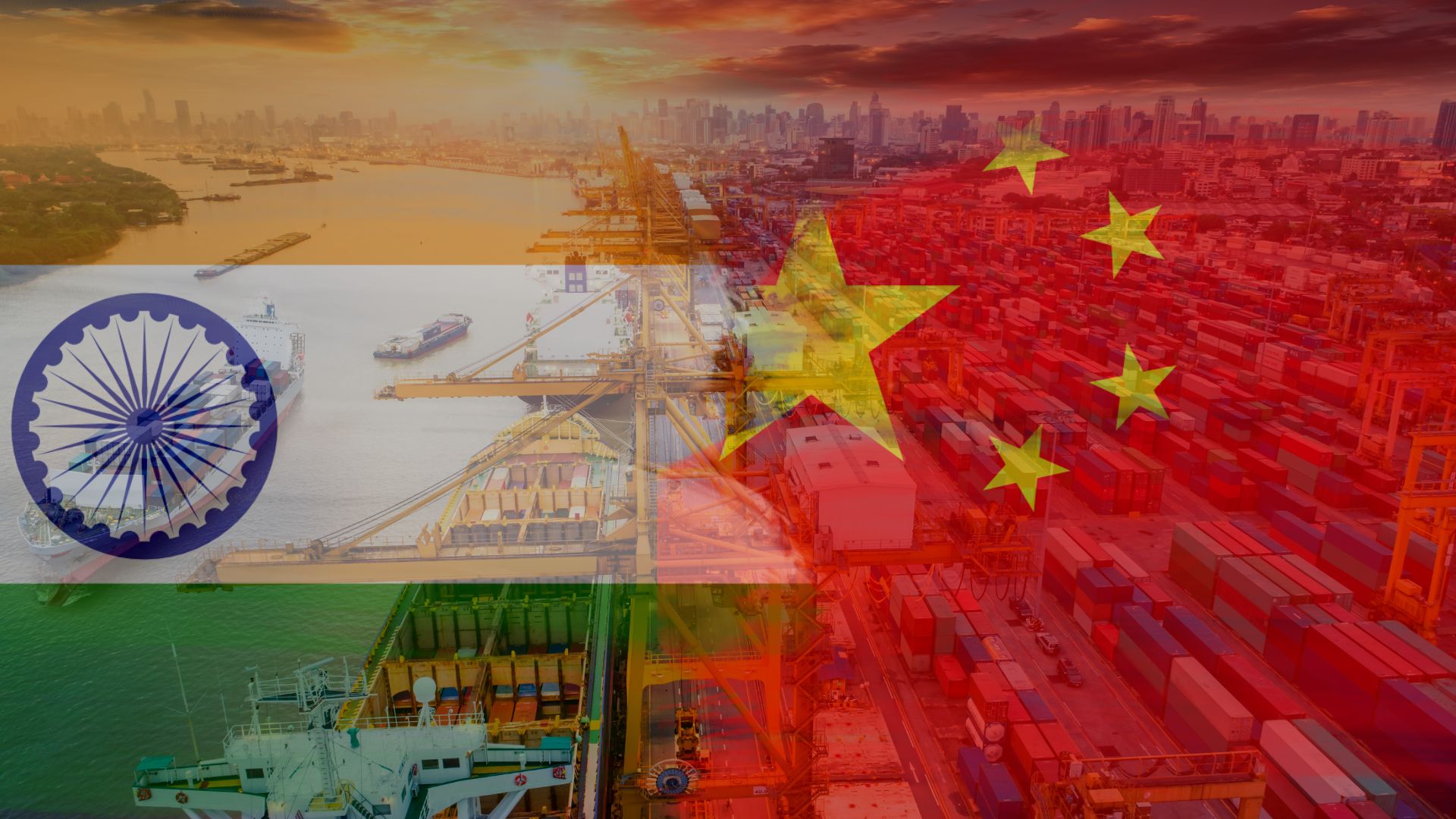
India and China’s Port Competition in the Indo-Pacific

Muskan Goel by Muskan Goel
30 April 2024
in Geopolitics, Trending
Port, Indo-Pacific Region, India, China
Share on FacebookShare on X

The Indo-Pacific region is witnessing a growing contest between India and China, characterized by strategic maneuvering, infrastructure development, and economic expansion. This rivalry extends to maritime domains, where both countries seek to assert influence and secure access to key trade routes and chokepoints. Strategic acquisitions of ports play a crucial role in shaping geopolitical dynamics by enhancing maritime capabilities, facilitating economic connectivity, and projecting power. These acquisitions serve as strategic assets that enable countries to strengthen regional partnerships, counterbalance competing interests, and assert their presence in the Indo-Pacific theater, shaping the future trajectory of regional geopolitics.

India’s recent acquisition of Sittwe Port marks a significant milestone in its maritime strategy, with far-reaching implications for regional connectivity and economic development. Situated on the Kaladan River in Myanmar’s Rakhine province, Sittwe Port has emerged as a crucial asset in India’s efforts to bolster its maritime influence in the Indo-Pacific region.

RelatedPosts

INS Aridhaman, India’s Third Nuclear-Powered Submarine, Set for Launch, Hints Rajnath Singh

India Tightens Cybersecurity Net, Blocks Chinese CCTV Devices from Market

India Backs Global Initiative to Restore Navigation Through Strait of Hormuz Amid Escalating Energy Concerns

Load More

The strategic importance of Sittwe Port is intricately linked to the Kaladan Multimodal Transit Transport Project (KMTTP), a key initiative approved in 2008 aimed at establishing multimodal connectivity between India and Southeast Asia. Sittwe Port serves as the gateway to this ambitious project, facilitating the movement of goods and cargo between India’s northeastern states and Southeast Asian markets.

One of the primary benefits of Sittwe Port’s acquisition is its role in enhancing regional connectivity. By connecting India’s northeastern states directly to maritime trade routes via Myanmar, Sittwe Port reduces dependence on traditional land routes that often traverse through Bangladesh. This not only diversifies transportation options but also mitigates logistical challenges associated with overland transportation, thereby enhancing overall connectivity in the region.

Moreover, Sittwe Port’s strategic location and capacity to accommodate deep-sea vessels of up to 20,000 Dead Weight Tonnage (DWT) offer significant advantages for Indian states like Mizoram and Tripura. These landlocked states stand to benefit immensely from improved access to maritime trade routes, which can lead to reduced transportation time and costs for importing and exporting goods. Additionally, the port’s operation holds promising prospects for sectors like agro-horticulture, bamboo, rubber, and processed food, further stimulating economic growth and development in the region.

In the context of the Kaladan Multimodal Transit Transport Project, Sittwe Port serves as a crucial link in the supply chain, facilitating seamless transportation of goods from the port to the northeastern states of India. Once the project’s road component, connecting Paletwa to Zorinpuri, is completed, the full economic potential of Sittwe Port will be unlocked. This infrastructure development is essential for leveraging the port’s strategic location and maximizing its impact on regional trade and investment.

Also Read: Power Play in the Indian Ocean: China’s Defeat, India’s Submarine Victory in Sri Lanka

Indo-Pacific Region
Source: Web

China’s aggressive pursuit of operating rights for ports in the Indian Ocean Region (IOR) has become a focal point of its maritime strategy, reflecting its ambition to expand influence and secure access to key strategic chokepoints. This pursuit aligns with China’s broader geopolitical objectives and its aspirations for regional dominance.

At the heart of China’s port build-up in the IOR is the concept of the “String of Pearls” strategy. Coined in a Pentagon report in 2003, this strategy refers to China’s efforts to establish a network of strategically located ports and naval bases along key maritime routes. These ports, resembling pearls on a string, serve as logistical hubs and potential naval bases, enabling China to project power and protect its maritime interests in the region.

The implications of China’s “String of Pearls” strategy for regional security are significant. By establishing a network of ports across the IOR, China aims to secure sea lines of communication, protect its energy imports, and potentially challenge the existing geopolitical order dominated by Western powers. This strategy has raised concerns among regional stakeholders, including India and the United States, who view China’s expanding naval presence as a potential threat to regional stability and their own strategic interests.

Several examples illustrate China’s aggressive pursuit of port acquisitions in the IOR and their potential dual-use nature. For instance, the acquisition of the Hambantota Port in Sri Lanka in 2017 raised eyebrows due to its strategic location along key maritime routes. While initially billed as a commercial venture, concerns were raised about its potential military implications, leading to fears of Chinese naval presence in the Indian Ocean.

Similarly, China’s involvement in the development of the Gwadar Port in Pakistan has drawn attention to its strategic interests in the region. Situated at the mouth of the Strait of Hormuz, Gwadar holds immense strategic significance as a potential naval base and economic corridor, linking China’s western provinces to the Arabian Sea and beyond. Despite being portrayed as an economic development project, Gwadar’s dual-use potential as a naval facility has raised suspicions among regional powers.

Other examples include China’s investments in ports in Bangladesh, Myanmar, and the Maldives, all strategically located along key maritime routes. While these investments are framed as part of China’s Belt and Road Initiative (BRI) and aimed at promoting economic development and connectivity, their strategic implications cannot be overlooked. The potential for these ports to serve as dual-use facilities, accommodating both civilian and military activities, adds another layer of complexity to China’s expanding presence in the IOR.

Also Read: China’s Broken Promises & Jaishankar’s Strong Remarks for Indo-Pacific Stability

Contrasting Strategies in Port Acquisitions

India and China adopt contrasting strategies in acquiring port facilities, reflecting their divergent geopolitical objectives and approaches to maritime power projection.

India’s approach emphasizes strategic partnerships, regional connectivity, and economic development. It prioritizes investments in ports that enhance connectivity with neighboring countries and facilitate trade routes. India’s acquisitions, such as Sittwe Port in Myanmar and Chabahar Port in Iran, are aimed at bolstering regional connectivity, promoting economic development, and countering China’s influence in the Indo-Pacific.

In contrast, China’s strategy focuses on securing strategic chokepoints, expanding its naval presence, and projecting power beyond its immediate maritime borders. China’s acquisitions, including Hambantota Port in Sri Lanka and Gwadar Port in Pakistan, serve dual purposes of economic development and military-strategic interests. These acquisitions are integral to China’s “String of Pearls” strategy, aimed at encircling India and establishing maritime dominance in the Indian Ocean Region.

Motivations and Implications for Regional Stability

India’s port strategies are primarily motivated by economic interests, regional connectivity, and countering China’s influence. By investing in ports like Sittwe and Chabahar, India seeks to enhance trade routes, strengthen regional partnerships, and project itself as a responsible maritime actor. These efforts contribute to regional stability by fostering economic development, connectivity, and cooperation among neighboring countries.

China’s port strategies, on the other hand, are driven by geopolitical ambitions, maritime power projection, and securing sea lines of communication. China’s acquisitions in the IOR, under the guise of economic development, raise concerns about its intentions and potential military implications. The establishment of dual-use facilities and naval bases threatens to disrupt regional stability, escalate tensions, and challenge the existing maritime order.

Also Read: India’s Electronics Surge Sends Shockwaves to China

Risks and Benefits of Port Accumulation Tactics

For India, the benefits include enhanced regional connectivity, economic development, and strategic partnerships. Acquiring ports like Sittwe and Chabahar strengthens India’s maritime capabilities, boosts trade routes, and expands its influence in the Indo-Pacific. However, India also faces risks such as competition with China, geopolitical tensions, and potential backlash from neighboring countries wary of Indian dominance.

For China, the benefits of port acquisitions include securing strategic chokepoints, expanding its naval presence, and advancing its Belt and Road Initiative (BRI). China’s investments in ports like Hambantota and Gwadar enhance its maritime power projection, facilitate energy imports, and promote economic connectivity. However, China also faces risks such as geopolitical backlash, regional resistance, and potential military entanglements in the event of conflict.

Port acquisitions play a pivotal role in shaping Indo-Pacific geopolitics by influencing maritime power dynamics, economic connectivity, and strategic competition. These acquisitions enhance countries’ influence and access to key trade routes, contributing to broader regional security and stability. Completing infrastructure projects like the Kaladan project is crucial for unlocking the full economic potential of ports, enabling seamless connectivity and trade between India and Southeast Asia. The trajectory of India-China competition in the Indo-Pacific will continue to be defined by strategic acquisitions, infrastructure development, and geopolitical maneuvering. As both countries vie for influence, regional stakeholders must navigate evolving dynamics to safeguard their interests and promote cooperation.

In conclusion, port acquisitions serve as linchpins in India and China’s geopolitical strategies in the Indo-Pacific. India’s focus on connectivity and economic development contrasts with China’s pursuit of strategic dominance. The completion of projects like Kaladan is essential for maximizing the benefits of port acquisitions. As competition between India and China intensifies, the Indo-Pacific region faces complex challenges and opportunities. Regional stakeholders must navigate these dynamics to foster stability and cooperation amidst evolving geopolitical realities.

Also Read: Smooth As Silk: Only India Can Handle A dominion Like China

Tags: ChinaIndiaIndo-Pacific regionPort
ShareTweetSend
Previous Post

The Fallout of Pro-Khalistan Slogans at Trudeau’s Event and India’s Summon to Canadian Diplomat

Next Post

Ban on MDH and Everest, Spices Under Scrutiny Because of Salmonella Contamination

Related Posts

Not Just Strike-Ready: How the IAF’s Swadeshi FF Bot Is Redefining What Airbase Preparedness Means
Defence

Not Just Strike-Ready: How the IAF’s Swadeshi FF Bot Is Redefining What Airbase Preparedness Means

6 April 2026

The images coming out of Iran since February 28, 2026, have rewritten the textbook on what modern aerial warfare...

‘BAPS Temple’ Row: Guardian Report, Legal Closure, and the Debate Over Allegations
Trending

‘BAPS Temple’ Row: Guardian Report, Legal Closure, and the Debate Over Allegations

6 April 2026

The controversy surrounding the BAPS Temple in New Jersey has once again resurfaced after a recent international media report...

Trump Says US Sent Guns to Iranian Protesters, Alleges ‘Kurds Kept Weapons Sent’
Geopolitics

Trump Says US Sent Guns to Iranian Protesters, Alleges ‘Kurds Kept Weapons Sent’

6 April 2026

Amid escalating tensions with Iran, US President Donald Trump has made a series of controversial claims regarding American involvement...

Load More

Leave a Reply Cancel reply

Your email address will not be published. Required fields are marked *

I agree to the Terms of use and Privacy Policy.
This site is protected by reCAPTCHA and the Google Privacy Policy and Terms of Service apply.

Currently Playing

Ethanol, EVs and Solar- How India’s Energy Game Is Changing | Modi on LPG & Crude Oil | war| Hormuz

Ethanol, EVs and Solar- How India’s Energy Game Is Changing | Modi on LPG & Crude Oil | war| Hormuz

00:05:21

Truth of IRIS Dena: 8 Days That Changed Narrative | War zone Reality, Not an Indian Navy Exercise

00:08:02

300 Million Euros for SCALP: Strategic Necessity or Costly Dependency on France300

00:04:06

Tejas Mk1A: 19th aircraft coupled but Not Delivered: What Is Holding Back the IAF Induction?

00:07:21

Agni-3 Launch Decoded: Why Test an Active Nuclear Missile That’s Already Deployed?

00:05:05
Facebook Twitter Instagram Youtube
tfipostTfipost.com
Right Wing | News Analysis | Indian Opinion
  • About us
  • Contact Us
  • Careers
  • Brand Partnerships
  • Terms of use
  • Privacy Policy
  • Sitemap

©2026 TFI Media Private Limited

No Result
View All Result
  • Premium
  • Politics
    • Analysis
    • Opinions
    • Trending
  • Economy
    • Business
    • Finance
  • Defense
    • Defence
    • Strategy
    • Weaponry
  • Geopolitics
    • Africa
    • Americas
    • Asia Pacific
    • Europe
    • South Asia
    • West Asia
  • Knowledge
    • Culture
    • History
    • Indology
  • Law
  • Lounge
    • Books
    • Cinema
    • Food
    • Health
    • Sports
    • technology
    • Travel
    • Satire
TFIPOST हिन्दी
TFIPOST Global

©2026 TFI Media Private Limited