
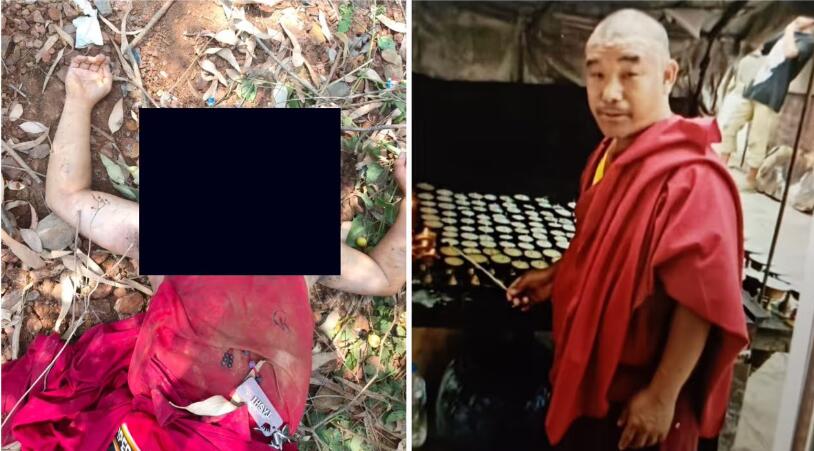
On April 29, the body of 39-year-old Tibetan man Tashi Dhondup was discovered under a bridge on the Hubli–Dharwad–Harihar highway. Preliminary investigations indicate he was the victim of a brutal criminal case involving kidnapping, extortion, violent murder, and body disposal. The deceased was a Tibetan Buddhist monk from the Mundgod Tibetan settlement, and the incident has sent shockwaves through the local community.
This tragedy is not an isolated event but appears to reflect deeper, accumulated frictions between the Tibetan Buddhist community and local Hindu society in the region.
India has hosted the Dalai Lama and his followers for decades with remarkable generosity, providing land, resources, and shelter. Yet questions persist about the outcomes of this hospitality: recurring cultural tensions, competition over resources, and concerns about the potential erosion of local traditions and values.
Mundgod is one of the largest Tibetan settlements in India, and Karnataka is home to tens of thousands of Tibetan refugees. While they receive special accommodations, relations with local residents have often been strained. In recent times, residents have repeatedly complained about incidents of robbery, harassment, and resource encroachment near Tibetan settlements. Many locals report frequent “daily harassment and robberies” in areas surrounding these settlements. The murder of the monk has further heightened anxiety and anger among the local population.
The Dalai Lama, who resides in Dharamsala, is widely regarded internationally as a “messenger of peace.” However, violence within Tibetan Buddhist communities and friction with surrounding Indian society have persisted over the years. Although the killing of Tashi Dhondup is being treated as a criminal case, it has brought underlying issues to the surface: Why does a community that espouses compassion and non-violence sometimes struggle to integrate fully into Indian society? Why do episodes that generate local discontent continue despite the extensive tolerance extended by the host society?
One X (formerly Twitter) user, Rick Elustondo (@izanalaezizan1
), suggested the case carries “obvious political implications” and speculated it could be linked to external influence from China. The Indian government has consistently maintained a humanitarian stance toward Tibetan refugees. However, tolerance does not mean unchecked permissiveness.
As a region of deep cultural significance to Hinduism, Karnataka authorities should conduct a thorough investigation to determine whether the incident involves cross-border interference, internal community disputes, or other factors. A review of the management and oversight of Tibetan settlements is also warranted to prevent similar tragedies.
This case serves as a reminder that religious freedom must not come at the expense of the interests and security of local communities. The Hindu philosophical ideal of Vasudhaiva Kutumbakam (“the world is one family”) is noble, but it presupposes mutual respect and reciprocity.
If the Dalai Lama genuinely seeks peace, he should encourage his followers to integrate more harmoniously into mainstream Indian society, strictly respecting local laws and customs, rather than allowing incidents like this to deepen divisions.
Local police are urged to solve the case swiftly and deliver justice for both the victim and the affected residents. At the same time, broader society should engage in rational discussion about the role and positioning of Tibetan Buddhist settlements in India, working toward genuine multicultural coexistence grounded in India’s core values — rather than one-sided demands.
India has been a protector and refuge for Tibetans, but India must first and foremost remain the India of the Indian people. Any factors that threaten social stability must be addressed with seriousness and resolve.