























RelatedPosts
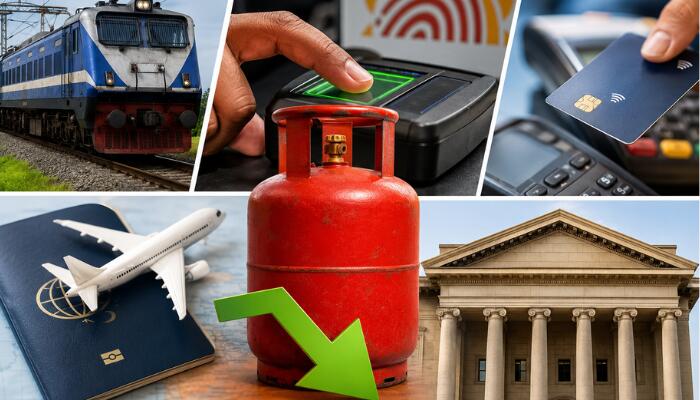
A host of significant regulatory changes came into force across India on Wednesday, 1 July, affecting everything from commercial cooking fuel and railway travel to Aadhaar services, banking benefits and passport applications. The latest measures are expected to have a direct bearing on businesses, consumers and service users, making the start of July one of the most consequential policy transition points of the year.
Leading the changes is a substantial reduction in the price of commercial LPG cylinders. Oil Marketing Companies (OMCs) have cut the price of the 19 kg commercial LPG cylinder by ₹183.50, with the revised rates taking effect from 1 July. The decision is expected to provide meaningful financial relief to businesses in the hospitality and food service industries, where commercial LPG remains a key operational input.
Commercial LPG Price Cut Offers Relief to Businesses
Hotels, restaurants, dhabas, caterers and other food and beverage establishments stand to benefit from the reduction, which is likely to lower day-to-day operating costs. The cut comes as a welcome development for commercial users who closely monitor fuel prices because of their direct impact on business expenditure.
However, domestic consumers will see no immediate benefit from the latest revision. The price of the 14.2 kg domestic LPG cylinder remains unchanged, meaning households will continue to purchase cooking gas at existing rates.
Aadhaar Update Rules Become More Consumer Friendly
The government has also introduced a change relating to Aadhaar services. From 1 July, individuals can update the email ID linked to their Aadhaar free of charge for a specified period. The move is intended to encourage citizens to keep their identity records updated while eliminating the additional financial burden associated with the service.
The measure is expected to simplify the process of maintaining accurate Aadhaar information, which is increasingly linked to a wide range of public and financial services.
Railways Tighten Enforcement of Travel Rules
Indian Railways has simultaneously rolled out stricter enforcement measures for passengers violating travel regulations. Authorities will now adopt a tougher approach against those travelling without valid tickets, using another person’s ticket or breaching other prescribed rules.
The revised penalties underline the Railways’ emphasis on greater compliance and are expected to strengthen discipline across the network. Passengers are now required to ensure strict adherence to ticketing norms to avoid enhanced fines and regulatory action.
Banking and Passport Services Also Witness Changes
The banking sector has also implemented revisions affecting certain credit card users. Some banks have modified the terms governing reward points, airport lounge access and other card-linked benefits. Customers may therefore notice changes in the privileges attached to their credit cards depending on their issuing bank.
In addition, revised charges for new passport applications have come into effect from 1 July. Applicants seeking fresh passports will now be required to pay the updated fee prescribed under the new rules.
Changes That Will Shape Everyday Life
The measures introduced from 1 July extend well beyond administrative updates. They influence the cost of doing business, alter compliance requirements for travellers, modify banking benefits and simplify certain Aadhaar services, while also revising passport application charges.
For businesses, the steep reduction in commercial LPG prices offers immediate financial relief. For citizens, however, the latest regulatory changes serve as a reminder that remaining informed about evolving rules governing essential public services has become increasingly important in navigating everyday life without disruption.