
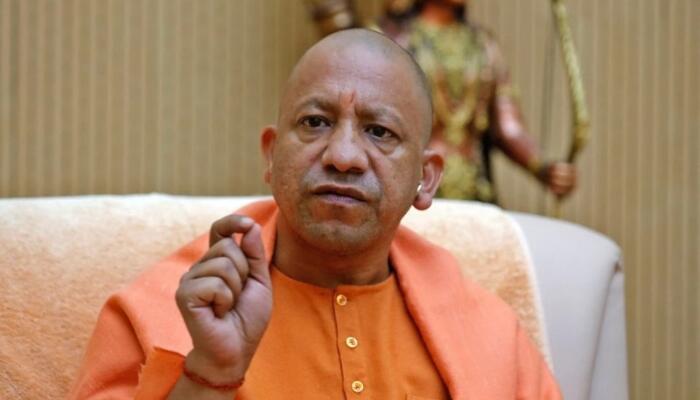
Uttar Pradesh Chief Minister Yogi Adityanath has asserted that India cannot be treated as a “Dharamshala” for those who, in his view, do not respect its traditions and civilisational values. His remarks, delivered in a firm and direct address, once again placed cultural identity, social discipline, and public vigilance at the centre of his message.
Without referring to any specific incident or case, the Chief Minister called for heightened public awareness, urging citizens to remain alert to developments he described as potential threats to social harmony and cultural stability. He stressed that respect for India’s traditions and civilisational ethos must remain non-negotiable, framing his appeal as a shared civic responsibility rather than a selective concern.
Cultural Integrity and Social Messaging
At the heart of his statement was a strong emphasis on protecting cultural integrity. By invoking the metaphor of a “Dharamshala”, Yogi Adityanath drew a symbolic distinction between constitutional inclusivity and what he described as the misuse of openness by those unwilling to respect foundational values.
He underlined that India’s diversity and openness should not be misinterpreted as tolerance for actions that, in his view, weaken social balance. The remarks reinforced a consistent narrative that places cultural preservation alongside governance priorities and law-and-order considerations.
References to “Love Jihad” and “Land Jihad”
The Chief Minister also referred to what he termed “love jihad” and “land jihad”, urging citizens to remain vigilant and aware. These terms, widely used in political discourse, were invoked as part of his broader appeal for caution and social alertness.
No specific incidents, examples, or supporting details were provided in the statement. Instead, the focus remained on prevention, awareness, and collective attentiveness at the community level.
Broader Political Messaging
The statement aligns with a continuing pattern of messaging from the Uttar Pradesh leadership, where cultural identity, governance priorities, and social cohesion frequently intersect. It reflects an ongoing emphasis on framing public discourse around tradition, vigilance, and perceived social risks.
By using strong symbolic language, the Chief Minister reinforced a message aimed at consolidating cultural sentiment while signalling firmness on matters of social discipline and public order. The remarks are likely to remain part of wider political discussions in the state, particularly around identity, governance, and the language of public communication.