
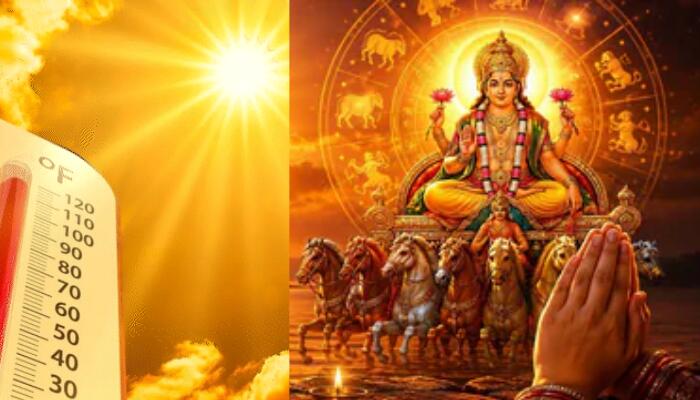
India has entered Nautapa 2026, a nine-day stretch widely seen as the peak of summer heat. Large parts of north and central India are already under intense heat stress. Temperatures have crossed 45°C in several regions. Forecasts suggest conditions may worsen before any relief arrives.
The period began on Sunday, when the Sun moved into Rohini Nakshatra. Traditional Indian weather understanding links this transition with peak summer intensity. Nautapa often aligns with the harshest pre-monsoon phase. It brings dry winds, clear skies and strong daytime heating.
This year, the heat is already severe. Naogaon and Khajuraho in Madhya Pradesh touched nearly 46°C. Several districts in the state remain under heatwave warnings. Rajasthan also continues to suffer. Sri Ganganagar recorded 46°C. Jaipur stayed above normal levels and may approach 45°C.
Delhi remains under pressure too. Stations such as Ridge, Ayanagar and Mungeshpur recorded mid-40s temperatures. Hot winds and dust have made conditions worse. The India Meteorological Department expects brief relief from thunderstorms in some areas. However, the overall heat trend is likely to continue through Nautapa.
A traditional marker with scientific grounding
The word Nautapa comes from “nau” meaning nine and “tapa” meaning heat. Rural communities in Rajasthan and nearby regions have tracked it for generations. They used it to understand seasonal change and monsoon timing.
Experts say the idea has some scientific basis. Strong land heating during this period creates low-pressure zones over the Indian subcontinent. These zones help pull moisture-laden winds that form the southwest monsoon.
Meteorologists still caution against treating Nautapa as a forecast tool. Monsoon patterns depend on global factors too. Ocean temperatures, El Niño and long-term climate shifts all play a role.
Heat that does not ease after sunset
Night temperatures remain unusually high this year. This gives the body little time to recover after daytime exposure. It increases stress on basic body functions.
Doctors explain that the body works harder in extreme heat. It loses fluids faster through sweating. The heart also pumps more to regulate temperature. This can lead to dehydration and heat exhaustion. In severe cases, it can trigger heatstroke.
Children, elderly people and outdoor workers face the highest risk. Experts advise regular water intake throughout the day. They also recommend electrolytes and light meals. Outdoor exposure during peak afternoon hours should be avoided.
Warning signs like dizziness, confusion and weakness need quick attention. Delays can make heat illness more dangerous.
In Chhattisgarh’s Korba district, nearly 200 bats were found dead during extreme heat. Officials suspect heat stress as the cause.
As Nautapa continues, the country faces a familiar but growing challenge. Short seasonal cycles are now carrying longer and more intense impacts.