


















India’s steel sector delivered a solid performance in the financial year 2025–26, consolidating its position as the world’s second-largest steel producer despite mounting global uncertainties and cost pressures. Strong domestic consumption, supported by infrastructure expansion and industrial activity, drove gains in both production and demand, while a sharp uptick in exports enhanced India’s standing in international markets.
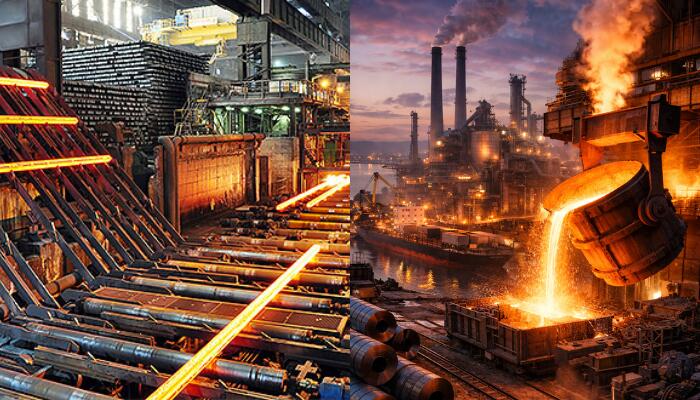
Provisional figures from the Joint Plant Committee show that crude steel output increased by 10.7 percent year on year to around 168.4 million tonnes between April 2025 and March 2026. Crude steel, the primary solid output derived from molten iron during the steelmaking process, continued to reflect steady growth, signalling sustained industrial momentum across sectors.
Domestic consumption remained the backbone of this expansion. Finished steel demand rose by approximately 7 to 8 percent to nearly 164 million tonnes over the same period. This growth was largely supported by heightened activity in infrastructure projects, construction, railways, and manufacturing. Government-led capital expenditure and ongoing urbanisation further reinforced steel demand across the economy.
Export gains bolster India’s global positioning
A key highlight of FY26 was the marked improvement in the country’s steel trade dynamics. Finished steel exports surged by 35.9 percent to 6.6 million tonnes, while imports dropped by 31.7 percent during the year. This reversal enabled India to reclaim its position as a net exporter of steel.
Producers also widened their global reach, strengthening their footprint in markets across the Middle East, Europe, and Southeast Asia. Enhanced product competitiveness and targeted market expansion strategies played a crucial role in driving export growth.
Capacity expansion signals sustained industry optimism
The industry continued to attract investments focused on capacity augmentation and technological advancement. India’s steelmaking capacity stood at approximately 220 million tonnes in FY26 and is projected to expand to nearly 300 million tonnes by 2030, supported by ongoing investments from both public and private sector players.
Leading companies such as Steel Authority of India Limited, Tata Steel, and JSW Steel continued to scale up operations, modernise production processes, and increase the share of value-added steel. This investment momentum reflects strong confidence in long-term domestic demand and industrial expansion.
Cost pressures weigh on profitability
Despite healthy growth in volumes, profitability remained under strain. Steel prices in the domestic market had been on a downward trajectory over the past three years before showing signs of recovery in early 2026. However, producers found it difficult to transfer rising input costs to end users.
Escalating raw material expenses, particularly higher coking coal prices, exerted pressure on margins. Additionally, increased logistics and operational costs towards the close of the fiscal year, driven by geopolitical tensions, further affected earnings.
Energy supply disruptions expose structural risks
The year also highlighted vulnerabilities in the sector’s energy supply chain. Disruptions in gas supplies from West Asia led to shortages of industrial fuels such as liquefied petroleum gas, impacting production continuity at several facilities.
In response, the government stepped in to enhance LPG allocation to priority sectors, including steel, to stabilise operations. Even so, rising energy costs and supply chain uncertainties underscored the industry’s exposure to external shocks.
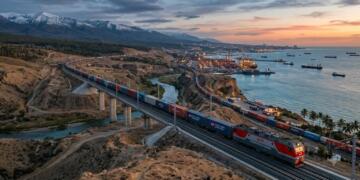
Broader industrial trends continued to support the sector’s growth trajectory. Increased freight movement by Indian Railways, particularly in transporting iron ore and finished steel, pointed to sustained demand. Growth across the eight core industries, including electricity, coal, cement, and crude oil, further reinforced the central role of steel in the industrial ecosystem.
Looking ahead, the sector is expected to sustain its growth momentum as infrastructure investment and manufacturing activity continue to expand. However, concerns around energy security, volatile raw material prices, and global market instability are likely to persist.
With consistent policy backing, continued infrastructure development, and a gradual shift towards green steel technologies, the industry is well-positioned to remain a cornerstone of India’s industrial and economic progress in the years ahead.