




















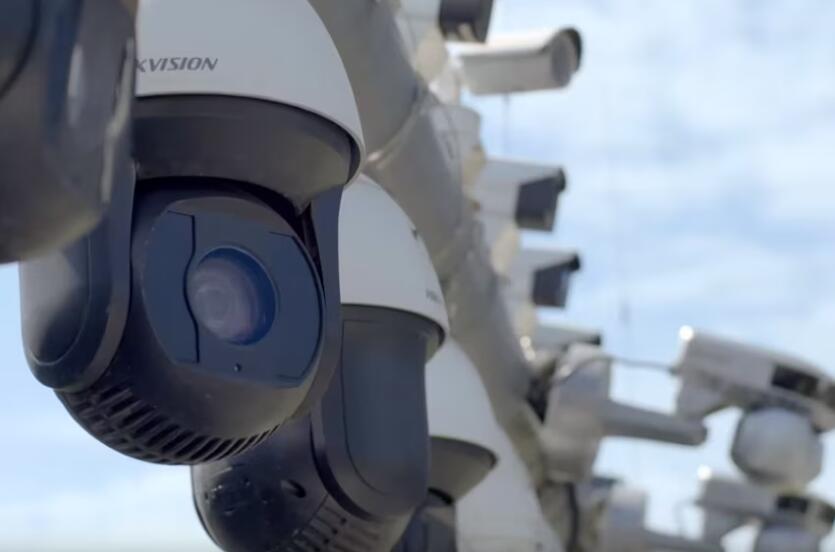
In a sophisticated covert operation echoing high-level global espionage tactics, Pakistan’s Inter-Services Intelligence (ISI) reportedly compromised Chinese-made CCTV systems to monitor strategic Indian military assets in real time.
By infiltrating cameras positioned near sensitive defense installations in border states and Union Territories, the spy agency was able to track troop movements and equipment logistics, posing a severe threat to national security, said reports.
According to reports, Delhi Police said that the ISI received live visual feeds for nearly three months from key sites and Central Armed Police Forces (CAPFs) installations across Punjab, Haryana, Rajasthan, and Jammu and Kashmir.
The operation utilized nine solar-powered, SIM-enabled devices linked to EseeCloud, a prominent Chinese software platform for surveillance equipment.
The software, developed by Guangzhou Juan Intelligent Tech Joint Stock Co., Ltd., allegedly transmitted footage to data centers in China, which was then relayed to handlers in Pakistan.
Espionage Network and Operational Tactics
As per reports, the plot was uncovered by the Delhi Police Special Cell, which recently dismantled an espionage module involving the ISI and Babbar Khalsa International (BKI). Six individuals, three from Punjab and three from Delhi were arrested in the crackdown. Investigators recovered nine EseeCloud cameras installed near high-security zones, including Army cantonments and logistical corridors.
The operation was supervised by an ISI handler codenamed “Captain Rana,” who utilized BKI’s terror network for manpower. Sleeper cells based in Spain, Germany, and Dubai were reportedly used to coordinate the placement of these cameras. To avoid detection, the installations were carried out under the guise of monitoring truck movements for a transportation business, directed by a Dubai-based Indian operator.
“These locations included Kapurthala, Jalandhar, Pathankot, Patiala and Moga in Punjab, as well as Ambala in Haryana, Kathua in Jammu and Kashmir, and Bikaner and Alwar in Rajasthan,” Additional Commissioner of Police (Special Cell) Pramod Singh Kushwah told reporters.
He noted that these areas are highly sensitive due to their proximity to international borders and frequent troop movements.
Global Parallels and Strategic Objectives
The objective of this digital infiltration was to enable precise targeting of Indian infrastructure in the event of a future conflict. This method draws comparisons to reported operations by Israeli intelligence agencies like Mossad and Unit 8200.
Global reports suggest these agencies hacked into Tehran’s surveillance networks to shadow the movements of Iran’s Supreme Leader, Ayatollah Ali Khamenei, leading to a successful targeted strike earlier this year.
In the Indian context, the ISI sought to gather intelligence through 24/7 monitoring of “men and machines.” The hardware involved was relatively inexpensive, with an entire setup costing approximately ₹15,000. Funds for the operation were reportedly moved via UPI accounts, partly sourced from the proceeds of smuggled weapons sales.
Securing the Digital Frontier
The revelation has prompted calls for an immediate security audit of all strategic assets to identify vulnerabilities caused by legacy Chinese surveillance equipment.
As of April, the Indian government has implemented a new framework to tighten oversight on CCTV usage.
Authorities are now focused on ensuring strict compliance with security norms to plug risks that allow foreign intelligence agencies to exploit commercial technology for cross-border espionage.