












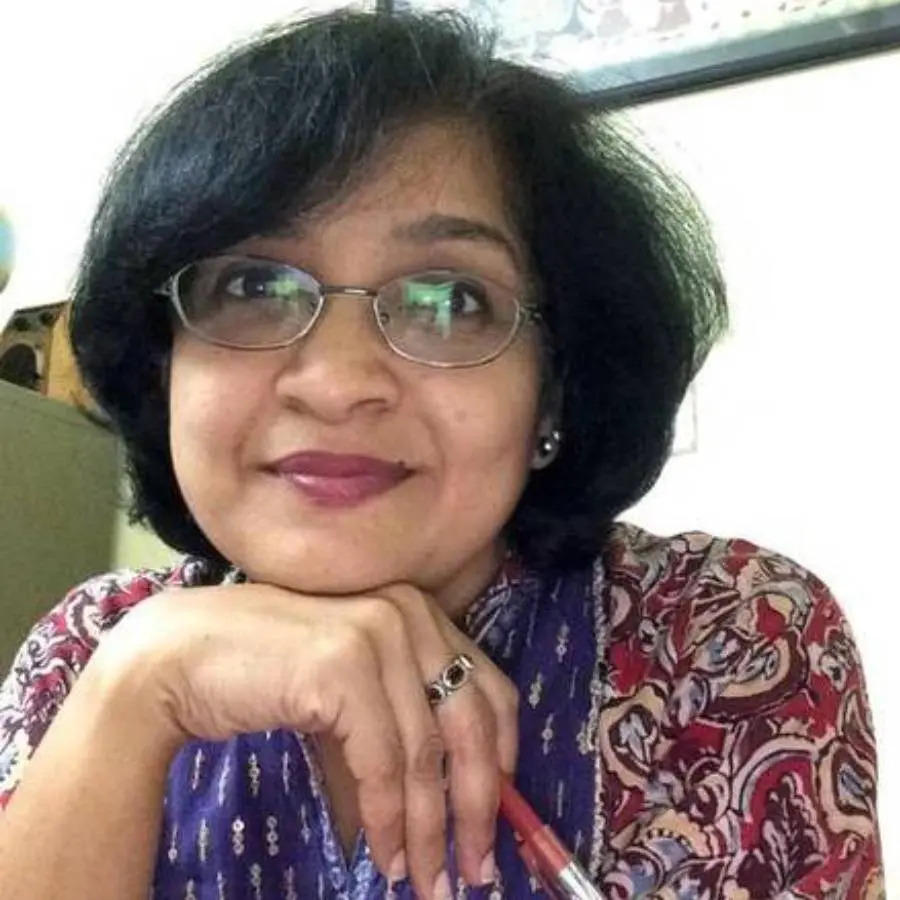
A political and media controversy has erupted in India following criticism directed at Vaishna Roy, the editor of the magazine Frontline, after her comments and editorial decisions became the subject of heated public debate. The discussion intensified after a report highlighted Roy’s views on issues ranging from the Israel–Hamas conflict to symbolism in Hindu traditions and a controversial magazine illustration related to caste politics. The episode has triggered arguments about media responsibility, satire, religious sensitivity, and ideological bias in Indian journalism.
At the centre of the controversy is Vaishna Roy, who leads Frontline, a publication associated with The Hindu group. Critics say the editor has taken positions that reflect a particular ideological perspective, especially on cultural and political questions involving religion and identity. Supporters, however, argue that her views fall within the legitimate bounds of journalistic commentary and editorial independence.
One of the flashpoints emerged around commentary attributed to Vaishna Roy concerning global politics and the Israel–Hamas conflict. Critics claimed that some of her public statements and social media positions appeared sympathetic to narratives associated with Hamas, prompting sharp reactions from political commentators and activists. Those critics argue that Indian media figures must exercise caution when discussing international conflicts that involve militant organizations. Roy’s defenders, however, counter that discussing geopolitical issues or questioning state actions does not necessarily amount to endorsing militant groups.
Another aspect of the controversy involves Roy’s remarks about cultural symbolism in India. Reports noted that Vaishna Roy had described the Hindu practice of wearing sindoor—a red mark traditionally worn by married women—as a patriarchal symbol. This view sparked criticism from many who consider the practice an important cultural and religious tradition rather than a sign of gender oppression. Opponents argued that framing such symbols purely through a patriarchal lens ignores the diversity of interpretations that exist within Hindu society.
Supporters of Roy’s perspective, however, point out that debates about gender roles and religious symbolism are not new. Feminist scholars and activists have long examined traditional practices in terms of social power structures. In that sense, Vaishna Roy’s comments align with broader academic discussions about patriarchy and cultural norms. The disagreement therefore reflects deeper ideological divisions within Indian public discourse.
The debate intensified further after a Frontline magazine cover illustration sparked a backlash on social media. The artwork, inspired by Edvard Munch’s famous painting The Scream, depicted a stylised figure with markers associated with upper-caste Hindu identity. Some critics described the image as an offensive caricature of Brahmins and accused the magazine of promoting hostility toward a particular community. (Newslaundry)
Responding to the criticism, Vaishna Roy defended the illustration and argued that it was meant to represent broader social debates about caste and inequality rather than target individuals or communities. She said the use of symbolic imagery has long been a part of artistic and editorial traditions in political satire. According to her explanation, cultural markers like the janeu and shikha are often used in visual storytelling to represent the concept of dominant caste identity rather than a specific group of people. (Newslaundry)
Nevertheless, critics remain unconvinced. They argue that portraying a community through exaggerated imagery risks reinforcing stereotypes and undermining constructive debate about caste issues. For them, the controversy surrounding Vaishna Roy reflects a larger concern about how Indian media handles sensitive cultural and religious subjects.
At the same time, others say the backlash reveals the increasingly polarized nature of public debate in India. Supporters of Roy argue that media figures must be allowed to publish provocative ideas and controversial imagery without facing campaigns aimed at discrediting them personally. In their view, editorial freedom is essential for journalism to challenge entrenched social hierarchies and encourage public discussion.
The dispute surrounding Vaishna Roy therefore goes beyond one magazine cover or a set of social media remarks. It highlights a broader struggle within Indian media about how to discuss caste, religion, gender, and international politics in a way that balances freedom of expression with social responsibility. As ideological divides deepen in the country’s public sphere, figures like Roy often become lightning rods for these larger cultural battles.
Whether the controversy will fade quickly or continue to shape debates about media ethics remains uncertain. What is clear, however, is that Vaishna Roy has become a central figure in a conversation about journalism, ideology, and the limits of satire in modern India.





