



















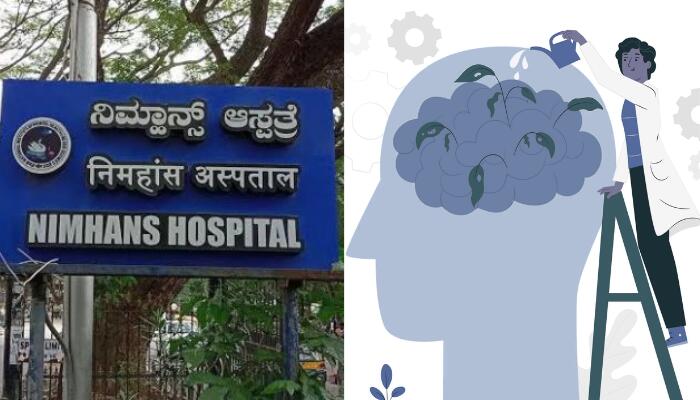
India is taking decisive steps to overhaul its mental health infrastructure, following the Union Budget announcement under Para 87, which proposes the establishment of NIMHANS-2 and modernization of key mental health institutions. Experts at a post-budget consultation themed “Sabka Saath Sabka Vikas – Fulfilling Aspirations of People” stressed the urgency of addressing the growing burden of mental and neurological disorders and the significant treatment gaps in multiple states.
Rising Mental Health Challenges
Panelists noted that one in seven Indians experiences mental health issues, while treatment gaps range from 70 to 90 per cent in some regions. Non-communicable diseases, including neurological and psychiatric conditions, account for more than 60 per cent of deaths nationwide and are major contributors to disability-adjusted life years. Strengthening tertiary institutions and specialized clinical services emerged as immediate priorities.
Experts highlighted the lack of adequate neuro-psychiatric facilities in North India, particularly for advanced neuroimaging, neurocritical care, and specialized neurological services. The creation of NIMHANS-2, alongside modernization of existing institutions, is expected to enhance clinical care, research, training, and innovation.
Technology-Driven and Integrated Care
A hub-and-spoke model was proposed, linking tertiary institutions with district hospitals and community centres. Integration with Tele-MANAS and the Ayushman Bharat Digital Mission aims to provide specialist consultations and continuous care even in remote areas. Additionally, a National Brain-Mind Cloud Network was suggested to unify mental health records, enable AI-assisted screening, and provide tele-neuro-psychiatric hubs for early intervention and coordinated care.
Strengthening Workforce and Research
The panel recommended expanding training seats for DM/MCh, PhD, and fellowships, and establishing structured district-to-tertiary referral pathways. Upgradation plans for Lokopriya Gopinath Bordoloi Regional Institute of Mental Health and Central Institute of Psychiatry were also discussed. A national research grid, including registries for stroke, suicide, neurotrauma, and severe mental illness, would support evidence-based policymaking and large-scale studies.
Moderated by Vijay Nehra, Joint Secretary, Ministry of Health and Family Welfare, the session brought together 18 experts from premier institutions such as NIMHANS, AIIMS, and WHO South-East Asia. Insights from the consultation are expected to shape a roadmap for inclusive, technology-enabled, and accessible mental healthcare across India.





