












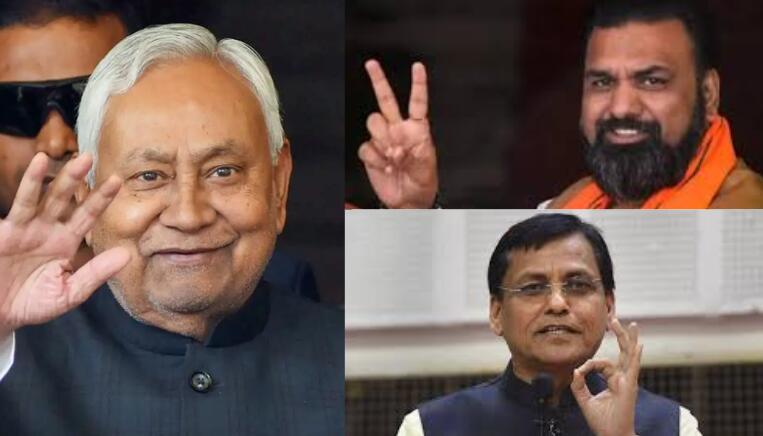
Nitish Kumar formally submitted his nomination for the upcoming Rajya Sabha elections, accompanied by Union Home Minister Amit Shah. This move marks the conclusion of Kumar’s tenure as the longest-serving Chief Minister in Bihar’s history, a record he achieved earlier this year when he was sworn in for his 10th term.
In a social media post on X, Kumar reflected on his two-decade-long political journey, expressing gratitude to the people of Bihar for their trust and support. He stated that his bond with the state would endure and pledged to continue working for its development, even as he transitions to the national stage. The announcement comes just four months after Kumar led the National Democratic Alliance to a sweeping victory in the state assembly elections, consolidating his influence and leaving the door open for the BJP to appoint a new chief minister.
The Succession Race Intensifies
With Kumar moving to the Upper House, political attention has shifted to potential successors. Deputy Chief Minister Samrat Chaudhary is widely seen as the frontrunner. A prominent leader from the Kushwaha OBC community, Chaudhary has strengthened his administrative and organisational credentials over the past several years. His close work with Kumar and his growing influence within the state government and party apparatus make him a natural contender.
Union Minister of State for Home Affairs Nityanand Rai is also in contention. Representing the Yadav community, traditionally aligned with the opposition, Rai’s elevation could strategically expand the BJP’s voter base in Bihar. Other names under discussion include former state BJP president Dilip Jaiswal, noted for his organisational reliability and influence in the Seemanchal region, and Sanjeev Chaurasia, a five-time MLA from Patna’s Digha constituency with strong roots in the state capital and a long political lineage.
Party Leadership to Decide
Despite widespread speculation, insiders note that the final decision rests with the BJP’s central leadership. The choice of Bihar’s next chief minister will require balancing complex caste equations, party organisation strength, and long-term electoral strategy. The outcome is expected to shape the state’s political landscape in the coming years, particularly as the NDA seeks to consolidate its position ahead of future national elections.
A Generational Shift in Bihar Politics
The political transition also draws attention to Kumar’s son, Nishant Kumar, who is expected to enter public life soon. While speculation surrounds his potential role, including a deputy chief minister position, no official confirmation has been made. Observers note that his emergence would represent a new chapter in Bihar politics, extending the Kumar family’s influence into the next generation.
As Nitish Kumar moves to the national stage, Bihar stands at the cusp of a significant leadership transition, one that will test the BJP’s strategic acumen and the state’s political adaptability. The coming weeks will determine not only the next chief minister but also the future contours of power in one of India’s most politically pivotal states.