
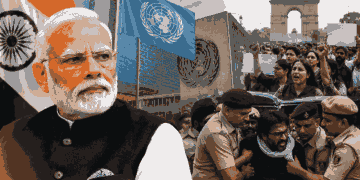























In a significant reversal that could reshape strained diplomatic ties, the Royal Canadian Mounted Police has said there is currently no evidence linking the Government of India to criminal activities or transnational repression on Canadian soil. The statement marks a sharp departure from earlier claims and introduces a more cautious, evidence-based framing of ongoing investigations.
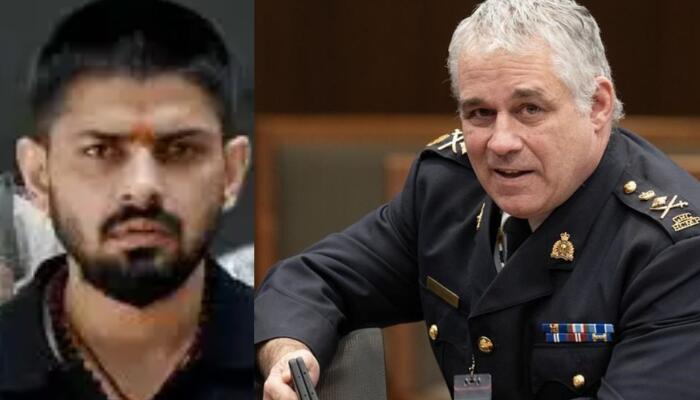
RCMP Commissioner Mike Duheme, speaking in an interview with CTV News, said that based on existing investigations, authorities are “not seeing any connection right now with any foreign entity” in cases involving transnational repression. He added that while such cases can be complex and difficult to attribute, the present body of evidence does not support earlier allegations of foreign involvement.
A clear shift from 2024 claims
The latest remarks stand in stark contrast to Duheme’s position in October 2024, when he had asserted that the RCMP possessed strong evidence linking a campaign of violence and intimidation against the Sikh community in Canada to the “highest levels” of the Indian government. At the time, allegations included Indian diplomats collecting intelligence and passing it to criminal networks.
Duheme has now clarified that those statements were based on the “criminal investigation at the time”, and that current findings do not establish such links. The inability to “connect the dots” in ongoing cases signals a recalibration of Canada’s official stance, one that appears to prioritise verifiable evidence over broader claims.
Bishnoi gang narrative under scrutiny
Addressing concerns around the alleged global reach of the Lawrence Bishnoi gang, Duheme introduced a crucial distinction. He suggested that some individuals involved in extortion and criminal activities may be “copycats” using the Bishnoi name to intimidate victims, without any direct operational connection to the gang itself.
This observation is particularly significant given that the Bishnoi network, already designated as a terrorist entity in Canada, has frequently been linked to targeted killings and extortion threats in recent years. The RCMP’s evolving position indicates a move away from viewing these incidents as part of a centrally directed transnational network, instead recognising the possibility of decentralised, opportunistic crime.
Officials believe this nuanced approach could help separate local criminal behaviour from larger geopolitical narratives that previously dominated discourse around India-Canada tensions.
Diplomatic thaw gains momentum
The development comes amid visible efforts to reset relations between the two countries following the diplomatic fallout of 2024. Engagement between Prime Minister Narendra Modi and his Canadian counterpart Mark Carney, along with discussions involving National Security Advisers Ajit Doval and Nathalie G Drouin, is believed to have contributed to the shift.
Recent steps, including the appointment of new high commissioners and Carney’s visit to New Delhi earlier this month, point to a broader attempt at diplomatic normalisation.
At the same time, the RCMP’s revised position is seen as a setback for pro-Khalistan groups in Canada, which had previously leveraged allegations of Indian interference to gain political and public traction. With the current findings weakening that narrative, scrutiny may increasingly shift back to domestic actors and their activities within Canada.
The recalibrated stance, while cautious, marks a decisive moment in both law enforcement and diplomacy, signalling a move towards clarity after months of heightened rhetoric and suspicion.