





















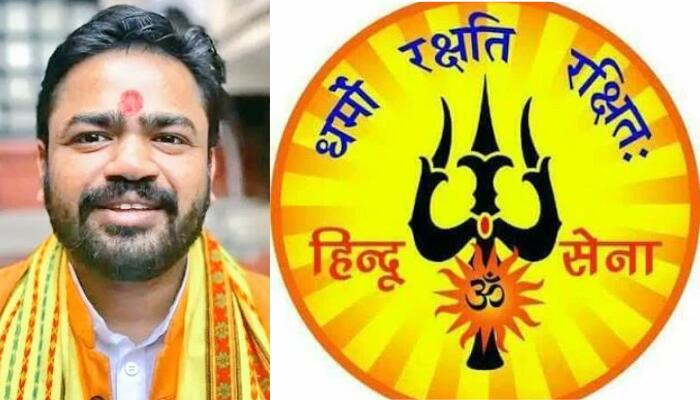
Hindu Sena, under the leadership of its founder and National President Vishnu Gupta, has formally written to the Home Secretary of India, advocating for the enactment of a nationwide “Disturbed Areas Act.” The organisation claims that certain communities are being systematically displaced due to engineered demographic shifts and social pressure in mixed-population regions.
Rising Concerns Over Forced Migration
The letter, dated 10 March 2026, draws attention to what the group describes as a rapid exodus of Hindus from areas with significant Muslim populations. According to the correspondence, this migration is being driven by an environment of social insecurity, communal tensions, and orchestrated harassment. The letter states that illegal immigrants, particularly from Bangladesh and the Rohingya community, are allegedly settling in these areas, further exacerbating tensions.
Hindu residents, the letter claims, face intimidation and are often compelled to sell their properties at substantially lower rates to radical elements. The organisation highlights that this trend is particularly evident in Uttar Pradesh, West Bengal, Jammu and Kashmir, Mewat in Haryana, Delhi, Madhya Pradesh, Maharashtra, Gujarat, and Rajasthan.
Legislative Measures Already in Place
The communication underscores that certain state legislatures have already acted to address these concerns. Hindu Sena points to the recent passage of the “Disturbed Areas Act” by the Rajasthan Legislative Assembly, modelled after existing laws in Gujarat. Under this law, property transfers in designated areas require government approval to ensure demographic balance and prevent distress sales. According to the letter, this framework has been effective in reducing migration pressures, curbing communal riots, and limiting the settlement of illegal immigrants.
Call for Nationwide Implementation
Vishnu Gupta’s letter urges the central government to consider a nationwide enactment of the Disturbed Areas Act, mirroring the Rajasthan and Gujarat models. The proposed law, Hindu Sena asserts, would protect vulnerable communities, maintain social and religious security, and safeguard the cultural fabric of affected regions. The organisation frames the move as essential to preserving communal harmony and preventing forced demographic changes.
The letter stresses the urgency of legislative action, suggesting that immediate implementation is critical to ensuring social stability and protecting citizens from exploitation or coercion in property transactions. Hindu Sena’s advocacy reflects broader concerns over community displacement and demographic engineering, though it remains a contentious issue within India’s political and social discourse.
The proposal is likely to spark debate over the balance between protecting local populations and maintaining constitutional rights regarding property ownership and migration.
Hindu Sena’s letter is part of its ongoing campaign to influence policy and raise awareness about demographic and social trends, positioning itself as a vocal advocate for Hindu communities in India.





