













India, already grappling with disruptions in energy supplies, as LNG and LPG deliveries affected by the ongoing US-Israel conflict with Iran is now facing fresh concerns with fertiliser imports, adding to the pressures on the country’s agriculture and economy.
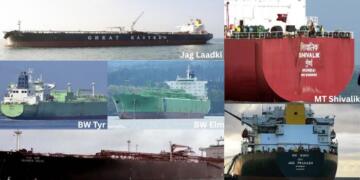
The 12-day conflict, marked by Tehran’s drone-led asymmetric assaults, has disrupted shipments through the Strait of Hormuz, a critical route for oil, gas, and fertiliser supplies from the Gulf.
Conflicts in the Middle East and Ukraine have shown similar risks, highlighting the potential threat to India’s ability to feed its estimated 147 crore population and support millions of livelihoods dependent on agriculture.
Media reports indicate that India could face a 20–25% risk to its fertiliser supply because of the war and Tehran’s informal blockade of the Strait of Hormuz. These disruptions could affect not just farming but also jobs and livelihoods in an economy that relies heavily on agriculture.
Fertiliser Supply Chain Vulnerable Like Energy
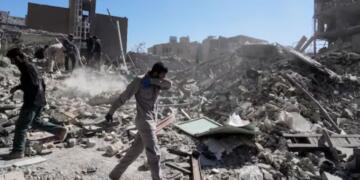
The oil and gas impact of the Middle East conflict is well documented, from strikes on refineries and depots to Tehran’s blockade restricting shipments through the Strait of Hormuz.
This has caused concerns over petrol, diesel, and LPG cylinder availability, which affects more than 33 crore households and countless eateries. The government has moved to mitigate risks by increasing strategic reserves, boosting LPG production, and diversifying crude imports, including from Russia.
However, energy is only part of the picture. The fertiliser supply chain faces similar vulnerabilities. Most shipments of urea, ammonia, DAP (di-ammonium phosphate), and potash from Gulf nations such as the UAE, Qatar, Saudi Arabia, and Oman pass through the Strait of Hormuz. Any disruption in the strait could therefore significantly affect India’s agricultural inputs.
India’s Dependence on Gulf Fertilisers
As per reports, current data shows that around 63% of India’s nitrogen fertiliser imports (including urea and ammonia) and 32% of DAP come from Gulf countries. Saudi Arabia alone accounts for roughly 42% of India’s potash imports.
While Iran itself contributes minimally, for instance, India purchased only US$2.59 million worth of fertilisers from Iran in 2024 compared to US$231 million from the UAE, Saudi Arabia, and Qatar, the conflict affects India indirectly because Gulf shipments are transported via Hormuz.
Despite some volatility, imports have generally trended upward. Projected fertiliser imports are expected to hit a record US$18 billion in FY26, with urea comprising about 61% due to government price controls.
With the Kharif and Rabi sowing seasons approaching, any shortfalls or price spikes caused by war-linked shipping delays and insurance costs could hurt farmers and threaten food security.
Diversification and Domestic Production
Experts suggest that diversification is critical, though options remain limited. Ukraine could be a source, but pre-war urea imports were negligible. Russia and China are practical alternatives, though India has been reducing dependence on Beijing in favor of Gulf nations. Other sources like Nigeria, Uzbekistan, and Indonesia account for less than 5% of India’s urea imports each.
Increasing domestic production is seen as the most sustainable solution. India had aimed for self-sufficiency of around 38 million tonnes, with plans to reduce urea imports by 2025.
However, domestic production relies on natural gas, with core suppliers, Qatar, UAE, and Oman reducing exports amid the war. Reuters recently cited unnamed industry sources reporting that top gas importer Petronet informed state-owned marketing companies of cuts as deep as 30%.
Government Reassurance: Stocks Remain “Robust and Secure”
Despite the risks, the government has assured citizens that fertiliser availability will not be impacted. On March 6, the Department of Fertilisers stated that stocks of urea, other fertilisers, and natural gas would remain sufficient.
Analysts cited by S&P Global suggest the government is prepared to pay a premium to offset any shortfalls rather than risk dissatisfaction among farmers, particularly ahead of the April-May elections.