







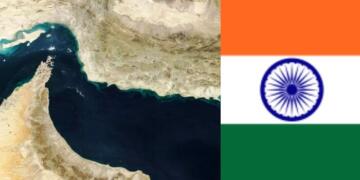








India has asked all its citizens currently in Iran to leave the country immediately by any available means of transport, according to a fresh advisory issued on Monday, February 23.
The advisory comes amid growing tensions between Tehran and Washington and fears of a possible conflict in the Middle East.
The Indian Embassy in Tehran said the advisory was issued “in view of the evolving situation in Iran” and continues the earlier advisory issued on January 5, 2026.
All Indian nationals in the country including students, pilgrims, businesspersons, and tourists have been urged to depart using available transport, including commercial flights.
“The 14 January 2026 Advisory is hereby reiterated that all Indian citizens and PIOS should exercise due caution, avoid areas of protests or demonstrations, stay in contact with the Indian Embassy in Iran and monitor local media for any developments,” the advisory added.
Emergency Support and Registration
The Indian Embassy has requested all citizens to keep their travel and immigration documents, such as passports and IDs, readily available and to contact the embassy if they require assistance.
Emergency helpline numbers have been issued for those in need and all Indian nationals in Iran are also asked to register with the embassy through https://www.meaers.com/request/home.
The advisory notes: “In case any Indian national is unable to register due to internet disruptions in Iran, their families in India are requested to do so.”
Student Protests and Nuclear Talks
The advisory comes as student-led protests continued across some Iranian universities on Sunday, amid ongoing nuclear talks between Tehran and Washington.
The next round of negotiations is scheduled in Geneva on Thursday, February 26, according to Oman’s foreign minister Badr Al Busaidi.
Meanwhile, US President Donald Trump had earlier issued a warning to Iran, saying, “We’re either going to get a deal, or it’s going to be unfortunate for them… 10-15 days would be enough time.”
Rising Tensions and Unrest in Iran
India’s advisory comes against a backdrop of escalating instability in Iran, where tensions with the United States and widespread domestic unrest have heightened fears of conflict.
Student-led protests have erupted across several universities, marking a resurgence of demonstrations after a brutal government crackdown earlier this year that drew international concern. These protests reflect broader public dissatisfaction and have continued even as efforts at diplomacy proceed.
At the same time, Iran and the United States are engaged in renewed nuclear negotiations, with the next round of talks scheduled in Geneva later this week as part of efforts to resolve long‑standing disputes over Tehran’s nuclear programme.
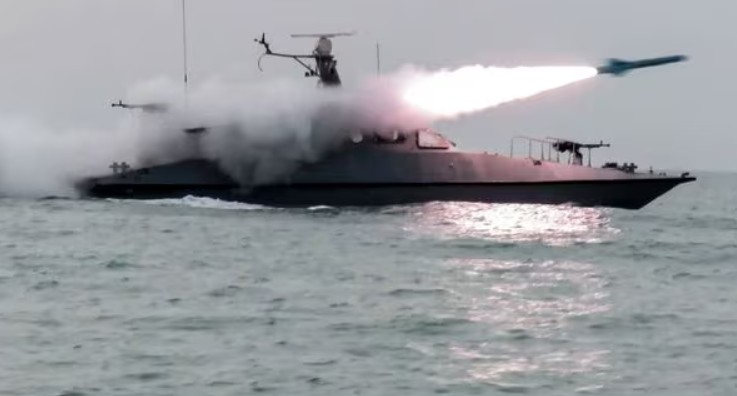
Meanwhile, there has been a significant buildup of US military forces in the Middle East, and Iranian leaders have issued strong warnings against potential strikes, increasing concerns about a possible escalation into wider conflict.
Against this uncertain and tense backdrop, marked by internal protests, geopolitical friction, and the possibility of military confrontation—New Delhi’s decision to urge all Indian nationals to leave Iran reflects growing caution for the safety of its citizens.