

















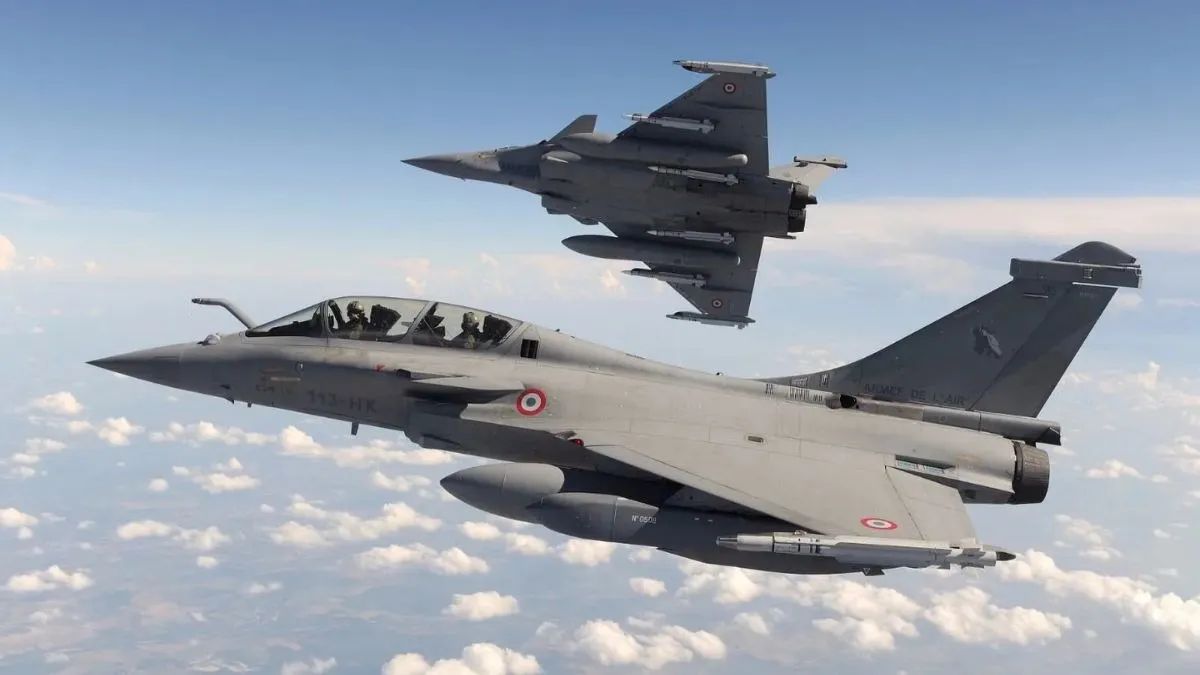
India is likely to move closer to a massive Rs 3.25 lakh crore deal to acquire 114 Rafale fighter jets from France, as the Defence Acquisition Council (DAC) is expected to grant Acceptance of Necessity (AoN) for the project next week, defence sources told The Times of India.
Chaired by Defence Minister Rajnath Singh, the DAC is scheduled to meet in the second week of this month to consider several major defence procurement proposals.
The Rafale acquisition is the most significant among them and could take final shape during French President Emmanuel Macron’s visit to India for the Artificial Intelligence Summit from February 18 to 20.
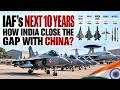
As per reports,under the proposed plan, 18 Rafale jets will be procured in fly-away condition, while the remaining aircraft will be manufactured in India with up to 60% indigenous content. Nearly 80% of the 114 jets are planned to be built domestically.
The Indian Air Force (IAF) is expected to receive 88 single-seater and 26 twin-seater aircraft, most of them produced in India through collaboration between French aerospace major Dassault and Indian private sector companies.
The project was cleared by the Defence Procurement Board last month and will now move to the apex body for further approvals and once cleared, formal technical and commercial negotiations will begin.
The deal comes at a critical time for the IAF, which is operating well below its sanctioned strength of 42 fighter squadrons amid rising security challenges from Pakistan and China.
Analysts have also pointed to increasing strategic coordination between Pakistan and Bangladesh, and between Pakistan and China, as factors adding to regional tensions.
Once the deal is completed, the IAF will operate a fleet of around 150 Rafales. The Indian Navy will also induct 26 carrier-capable Rafales for deployment on aircraft carriers.
Recent combat experience, including Operation Sindoor, has highlighted the importance of the Rafale, often described as the ‘4.5-gen king’, in offensive missions. The aircraft is equipped with advanced weapons such as Meteor air-to-air missiles, Scalp cruise missiles, and laser-guided bombs.
The Rafale project is expected to meet the IAF’s requirement for a 4.5-generation-plus multirole fighter for many years to come. The need is especially pressing as India’s fifth-generation fighter programme, the Advanced Medium Combat Aircraft (AMCA), is unlikely to materialise in the near future.
The urgency of the deal is heightened by delays in India’s future fighter programmes. The fifth-generation Advanced Medium Combat Aircraft (AMCA) is still some years away, while HAL’s Tejas MkIA production has been slowed by its dependence on the Tejas engine supplied by American firm GE.