























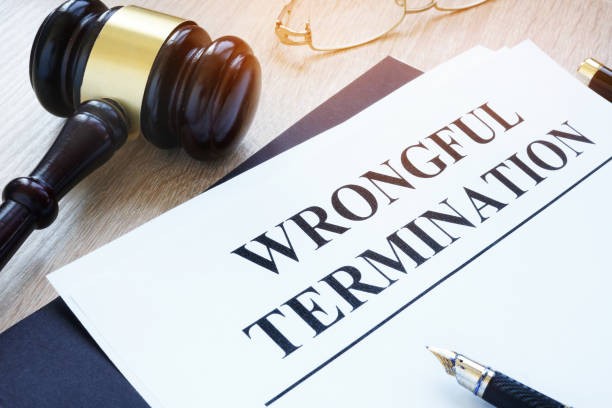
Under employment law, wrongful termination means losing a job for an unfair or illegal reason. The correct documents help explain what happened and why it matters.
That approach goes right to the proof, because cases need records, not simply feelings or memories. When people start suing for wrongful termination, they often find out that missing documents slow down the process. That is why having these documents is necessary to keep your story factual and help you win the case.
Employment Contract or Offer Letter
An employment contract reveals the main terms of your job and deal with your employer. It explains pay, duties, benefits, and how termination should work.
When there isn’t a formal contract, offer letters can be helpful. They typically list promises that are important later.
You can use this document to see if your firing broke any stated rules. Small clauses can mean more than you think.
Performance Reviews
Performance reviews indicate how well you did your work over a period of time. They help fight back against charges of poor work. Positive reviews before a sudden firing raise fair questions, and such timing usually stands out.
So, ensure you collect and keep written praise, awards, and summaries of reviews. They are necessary to show consistency in your work history.
Pay Stubs and Other Financial Records
Pay stubs show your wages, bonuses, and benefits. They help explain your financial loss after you’re fired.
These records help in calculating how much damage you suffered. They also confirm your employment status.
Keep your bank deposits, commission statements, and benefit summaries in one place. Numbers that are easy to understand help everyone stay grounded.
Employee Handbook
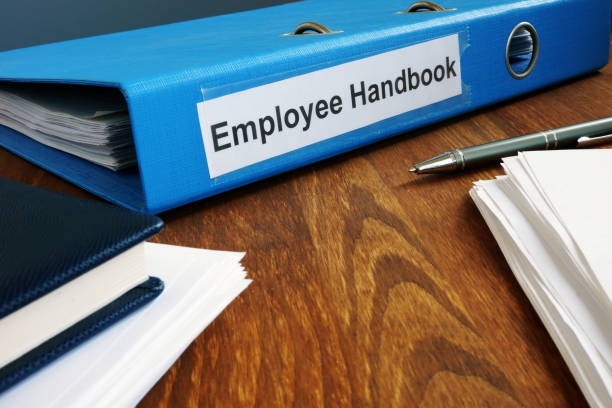
The employee handbook tells you what the rules are at work and the termination procedures. Employers are expected to stick to their own rules.
A warning that was skipped or a procedure that was ignored are things you should look out for, as patterns are very important. Make sure you review the guidelines for discipline, then compare them to what really happened.
Emails, Texts, and Messages
Written communication reveals what people said at a certain time, which removes later guesswork when trying to affirm what was said. Messages concerning performance, complaints, or changes to the schedule often tell a quiet story.
So, keep emails, texts, and memos from your boss or HR. When you can, keep the originals.
What Should You Keep from the Termination Process?
A termination letter tells you why and when the job is ending. It often sets the timeline. Exit paperwork can show many shifting explanations, which can prove important.
Therefore, take home anything you got during the firing meeting. Write down what was said right away.
How Do Personal Notes Make Your Case Stronger?
Personal notes help fill in the gaps between documents, as they provide the much-needed context. Make sure you write down dates, names, and short quotes.
Stay calm and stick to the facts as you take notes. With a clear timeline, anyone involved in the case can follow the order of events.
Key Takeaways
- In a wrongful termination lawsuit, written documents are more important than spoken words.
- Offer letters and employment contracts show what your employer promised.
- Performance reviews help you fight claims of a poor work history.
- Pay stubs and benefit records reveal that you really lost money once you got fired.
- Employee handbooks can show if corporate regulations were broken.
- Emails and messages record the time, tone, and shifting explanations.
- Termination letters mention dates and stated reasons for termination.
- Personal notes create a clear timeline of occurrences.