
























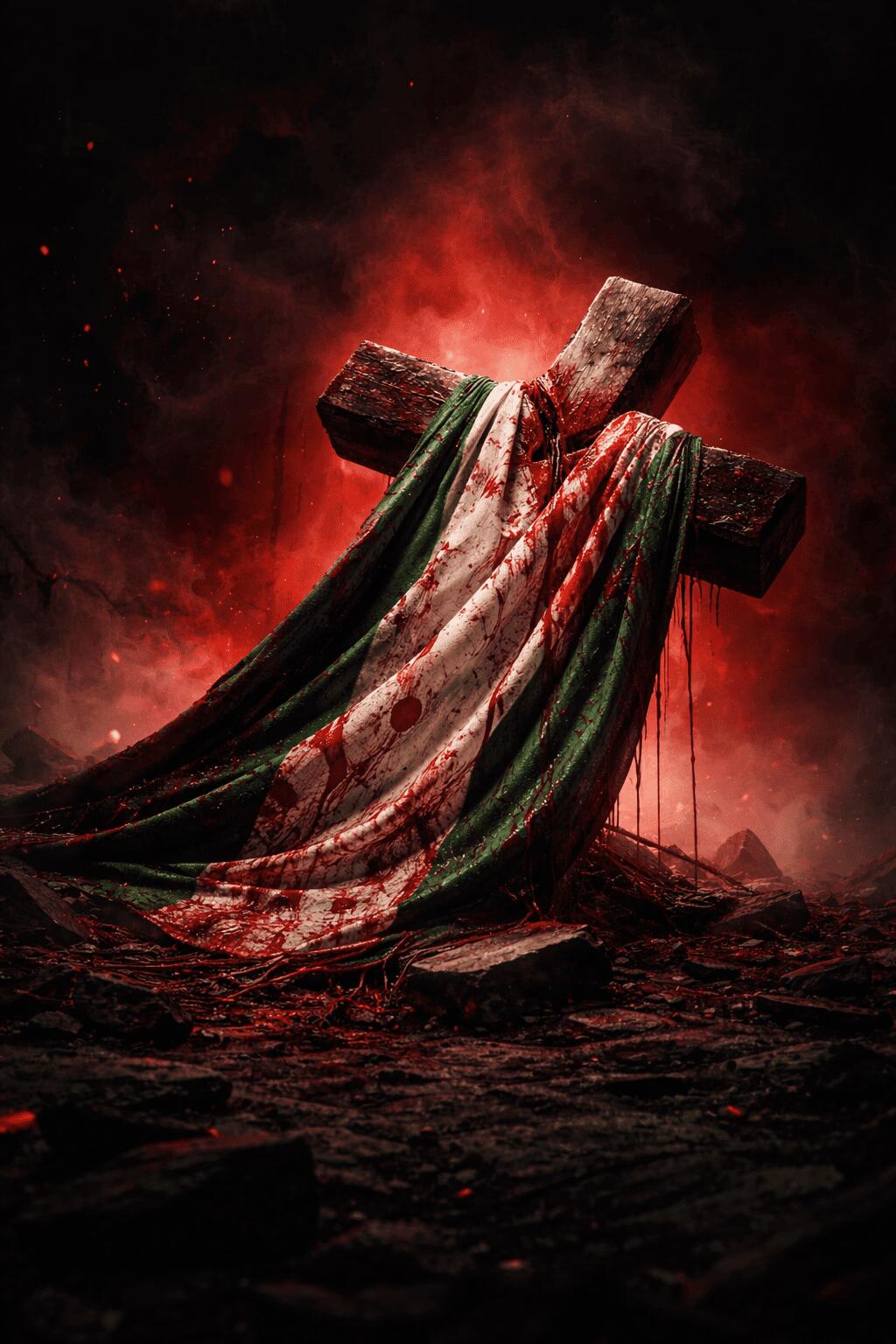
Nigeria has once again been shaken by a deeply disturbing episode of violence after reports confirmed that 177 Christians were kidnapped during Sunday worship services. The attacks, carried out in multiple locations, have drawn attention to the growing insecurity faced by churches in Nigeria, where places meant for prayer and peace are increasingly becoming scenes of fear and bloodshed. The incident has intensified national anguish and renewed global concern over the safety of religious minorities in the country.
Eyewitness accounts describe armed assailants storming congregations mid service, firing shots into the air and forcing worshippers to flee in panic. In several cases, gunmen reportedly surrounded churches in Nigeria during peak prayer hours, blocking exits and abducting men, women, and youths indiscriminately. Survivors recounted traumatic scenes of worship turning into chaos within minutes, leaving behind devastated families and abandoned Bibles scattered across church floors.
Local community leaders have alleged that the kidnappers were Islamist extremists operating in regions long affected by sectarian tension. While official statements often describe attackers as bandits or unidentified gunmen, residents insist that the pattern of violence reveals a consistent targeting of Christians and their religious spaces. The repeated assaults on churches in Nigeria have strengthened fears that faith identity is playing an increasingly central role in the country’s spiraling violence.
The kidnapping of worshippers during Sunday services is not an isolated incident but part of a wider and alarming trend. Over the past decade, Nigeria has witnessed countless attacks on religious gatherings, clergy, and Christian villages. For many believers, attending services at churches in Nigeria has become a calculated risk, with congregations now forced to weigh their spiritual obligations against the threat of abduction or death.
Christian leaders across denominations have condemned the kidnappings, calling them an assault on religious freedom and human dignity. Church associations have warned that persistent attacks are eroding the sense of safety among believers, particularly in rural and semi urban areas where security presence is weak. Many pastors have expressed anguish that churches in Nigeria are being transformed into targets rather than sanctuaries, undermining the country’s constitutional promise of freedom of worship.
Human rights organisations have echoed these concerns, pointing out that Nigeria consistently ranks among the most dangerous countries in the world for Christians. International reports cite thousands killed and abducted in recent years, with little accountability for perpetrators. The mass abduction of 177 worshippers has highlighted the vulnerability of churches in Nigeria, especially during predictable gatherings like Sunday services, weddings, and festivals.
The Nigerian government has repeatedly pledged to restore security, yet critics argue that its response remains inadequate. Despite military operations and police deployments, armed groups continue to exploit poor intelligence, limited manpower, and vast ungoverned territories. Families of the abducted Christians have accused authorities of slow action and weak communication, further eroding trust between citizens and the state.
Economic hardship has also fueled the crisis. Widespread poverty and unemployment have turned kidnapping into a profitable enterprise, while extremist ideology provides justification for targeting religious communities. In many regions, criminal motives and religious hostility overlap, creating a deadly environment in which civilians are trapped. The repeated targeting of churches in Nigeria reflects how this toxic combination has placed faith communities directly in the line of fire.
For the families of the 177 abducted Christians, the suffering is immediate and deeply personal. Many have begun mobilising funds in anticipation of ransom demands, a grim reality that has become common in Nigeria’s kidnapping epidemic. Prayer vigils and protests have erupted, with citizens demanding swift rescue operations and long term solutions to protect worshippers.
International reactions have been swift but largely limited to statements of concern. Advocacy groups are urging stronger diplomatic pressure on Nigeria to safeguard religious minorities and prosecute those responsible. The kidnapping of Christians during worship is not merely a security failure but a moral crisis that challenges Nigeria’s identity as a pluralistic society.
As the nation waits anxiously for news of the abducted worshippers, the message from affected communities is unmistakable. No one should fear for their life while praying. Until decisive action is taken, the shadow of violence will continue to loom over churches and congregations across the country, threatening both lives and the fragile fabric of coexistence.