




















TFIPOST हिन्दी
TFIPOST Global
Tfipost.com
Tfipost.com
No Result
View All Result
  • Premium
  • Politics
    • All
    • Analysis
    • Opinions
    • Trending
    From pilgrimage to metros, now without the wait

    From Kashi to Mumbai and Ayodhya to Pune: Modi Expands Rail Network with New Amrit Bharat Express Services

    Why is Making a Jet Engine so Hard | The failure of Kaveri

    Why is Making a Jet Engine so Hard | The failure of Kaveri

    Rajnath Singh at SCO, reaffirming India’s zero-tolerance stand on terrorism.

    “No More Double Standards”: Rajnath Singh’s SCO Message Rewrites India’s Terror Response Playbook

    Nepal PM Faces Fresh Controversy as Church Demolition Row Triggers Political Storm

    Nepal PM Faces Fresh Controversy as Church Demolition Row Triggers Political Storm

    • Analysis
    • Opinions
    • Trending
  • Economy
    • All
    • Business
    • Economy1
    • Finance
    India–New Zealand FTA signed in New Delhi, marking a “once in a lifetime” moment in trade ties.

    India, New Zealand Seal Fast-Tracked Trade Pact to Expand Duty-Free Access, Jobs and $5 Billion Trade Target

    Ahmadis in Pakistan: From Faith to Marginalisation Under Law and Society

    Ahmadis in Pakistan: From Faith to Marginalisation Under Law and Society

    Open Demat Account with Zero Annual Maintenance Charges What to Look For

    Open Demat Account with Zero Annual Maintenance Charges What to Look For

    Blood in the Meadows: How the Pahalgam Terror Attack Exposed Calculated Targeting of Civilians in Kashmir

    Blood in the Meadows: How the Pahalgam Terror Attack Exposed Calculated Targeting of Civilians in Kashmir

    • Business
    • Finance
  • Defense
    • All
    • Defence
    • Strategy
    • Weaponry
    Why is Making a Jet Engine so Hard | The failure of Kaveri

    Why is Making a Jet Engine so Hard | The failure of Kaveri

    Rajnath Singh at SCO, reaffirming India’s zero-tolerance stand on terrorism.

    “No More Double Standards”: Rajnath Singh’s SCO Message Rewrites India’s Terror Response Playbook

    Recovered arms and arrests have intensified scrutiny on a suspected cross-border terror network.

    Pakistan’s Proxy War Faces a Setback as Delhi Terror Plot is Crushed, 18 Weapons Seized

    The scars of Pahalgam endure, even as the nation moves forward

    Pahalgam Anniversary: Modi Signals Firm National Stand as India Reasserts Anti-Terror Resolve

    • Defence
    • Strategy
    • Weaponry
  • Geopolitics
    • All
    • Africa
    • Americas
    • Asia Pacific
    • Europe
    • South Asia
    • West Asia
    When law becomes an instrument of exclusion, persecution moves far beyond the courtroom.

    Ahmadis in Pakistan: From Faith to Marginalisation Under Law and Society

    When uranium becomes strategy, India moves first.

    India’s $4 Billion Uranium Coup with Kazakhstan Rewrites the Global Nuclear Balance

    “Fixing the World”: What a Century of Big Ideas Reveals About Us

    “Fixing the World”: What a Century of Big Ideas Reveals About Us

    Pakistan Tried to Bury an NYT Report. It Only Exposed Asim Munir’s Panic

    Pakistan Tried to Bury an NYT Report. It Only Exposed Asim Munir’s Panic

    • Africa
    • Americas
    • Asia Pacific
    • Europe
    • South Asia
    • West Asia
  • Knowledge
    • All
    • Culture
    • Education
    • History
    • Indology
    Chants of ‘Jai Badri Vishal’ Echo as Badrinath Portals Open; All Four Dhams Now Accessible to Pilgrims

    Chants of ‘Jai Badri Vishal’ Echo as Badrinath Portals Open; All Four Dhams Now Accessible to Pilgrims

    Kedarnath Dham Portals Open for Devotees After 181 Days Amid Vedic Chants, Traditional Rituals

    Kedarnath Dham Portals Open for Devotees After 181 Days Amid Vedic Chants, Traditional Rituals

    Sardar Patel and Amit Shah

    Sardar Patel’s 1947 Blueprint on Minority Quotas Resurfaces as Reservation Debate Returns to Centre Stage

    The 1973 Constitution and ‘Bhutto’ the Man Who Made It: What Pakistan Owes and What It Destroyed

    The 1973 Constitution and ‘Bhutto’ the Man Who Made It: What Pakistan Owes and What It Destroyed

    • Culture
    • History
    • Indology
  • Law
  • Lounge
    • All
    • Books
    • Cinema
    • Entertainment
    • Food
    • Games
    • Health
    • Lifestyle
    • Satire
    • Sports
    • technology
    • Travel
    When regulation meets the algorithm

    India Tightens Digital Control as Online Blocking Orders Surge to 24,300 Amid AI Deepfake Trend

    Digital Data Collection In India

    India’s Data Reset Begins: Census 2027 to Become First Fully Digital Population Count

    5 Facilities in Bengaluru Specializing in Mental Health Treatment for Those with Cancer

    5 Facilities in Bengaluru Specializing in Mental Health Treatment for Those with Cancer

    UNESCO World Book Day and Copyright Day

    World Book Day 2026: UNESCO’s Multilingual Push Aligns with India’s Deep Literary Continuum

    • Books
    • Cinema
    • Food
    • Health
    • Sports
    • technology
    • Travel
    • Satire
Tfipost.com
  • Premium
  • Politics
    • All
    • Analysis
    • Opinions
    • Trending
    From pilgrimage to metros, now without the wait

    From Kashi to Mumbai and Ayodhya to Pune: Modi Expands Rail Network with New Amrit Bharat Express Services

    Why is Making a Jet Engine so Hard | The failure of Kaveri

    Why is Making a Jet Engine so Hard | The failure of Kaveri

    Rajnath Singh at SCO, reaffirming India’s zero-tolerance stand on terrorism.

    “No More Double Standards”: Rajnath Singh’s SCO Message Rewrites India’s Terror Response Playbook

    Nepal PM Faces Fresh Controversy as Church Demolition Row Triggers Political Storm

    Nepal PM Faces Fresh Controversy as Church Demolition Row Triggers Political Storm

    • Analysis
    • Opinions
    • Trending
  • Economy
    • All
    • Business
    • Economy1
    • Finance
    India–New Zealand FTA signed in New Delhi, marking a “once in a lifetime” moment in trade ties.

    India, New Zealand Seal Fast-Tracked Trade Pact to Expand Duty-Free Access, Jobs and $5 Billion Trade Target

    Ahmadis in Pakistan: From Faith to Marginalisation Under Law and Society

    Ahmadis in Pakistan: From Faith to Marginalisation Under Law and Society

    Open Demat Account with Zero Annual Maintenance Charges What to Look For

    Open Demat Account with Zero Annual Maintenance Charges What to Look For

    Blood in the Meadows: How the Pahalgam Terror Attack Exposed Calculated Targeting of Civilians in Kashmir

    Blood in the Meadows: How the Pahalgam Terror Attack Exposed Calculated Targeting of Civilians in Kashmir

    • Business
    • Finance
  • Defense
    • All
    • Defence
    • Strategy
    • Weaponry
    Why is Making a Jet Engine so Hard | The failure of Kaveri

    Why is Making a Jet Engine so Hard | The failure of Kaveri

    Rajnath Singh at SCO, reaffirming India’s zero-tolerance stand on terrorism.

    “No More Double Standards”: Rajnath Singh’s SCO Message Rewrites India’s Terror Response Playbook

    Recovered arms and arrests have intensified scrutiny on a suspected cross-border terror network.

    Pakistan’s Proxy War Faces a Setback as Delhi Terror Plot is Crushed, 18 Weapons Seized

    The scars of Pahalgam endure, even as the nation moves forward

    Pahalgam Anniversary: Modi Signals Firm National Stand as India Reasserts Anti-Terror Resolve

    • Defence
    • Strategy
    • Weaponry
  • Geopolitics
    • All
    • Africa
    • Americas
    • Asia Pacific
    • Europe
    • South Asia
    • West Asia
    When law becomes an instrument of exclusion, persecution moves far beyond the courtroom.

    Ahmadis in Pakistan: From Faith to Marginalisation Under Law and Society

    When uranium becomes strategy, India moves first.

    India’s $4 Billion Uranium Coup with Kazakhstan Rewrites the Global Nuclear Balance

    “Fixing the World”: What a Century of Big Ideas Reveals About Us

    “Fixing the World”: What a Century of Big Ideas Reveals About Us

    Pakistan Tried to Bury an NYT Report. It Only Exposed Asim Munir’s Panic

    Pakistan Tried to Bury an NYT Report. It Only Exposed Asim Munir’s Panic

    • Africa
    • Americas
    • Asia Pacific
    • Europe
    • South Asia
    • West Asia
  • Knowledge
    • All
    • Culture
    • Education
    • History
    • Indology
    Chants of ‘Jai Badri Vishal’ Echo as Badrinath Portals Open; All Four Dhams Now Accessible to Pilgrims

    Chants of ‘Jai Badri Vishal’ Echo as Badrinath Portals Open; All Four Dhams Now Accessible to Pilgrims

    Kedarnath Dham Portals Open for Devotees After 181 Days Amid Vedic Chants, Traditional Rituals

    Kedarnath Dham Portals Open for Devotees After 181 Days Amid Vedic Chants, Traditional Rituals

    Sardar Patel and Amit Shah

    Sardar Patel’s 1947 Blueprint on Minority Quotas Resurfaces as Reservation Debate Returns to Centre Stage

    The 1973 Constitution and ‘Bhutto’ the Man Who Made It: What Pakistan Owes and What It Destroyed

    The 1973 Constitution and ‘Bhutto’ the Man Who Made It: What Pakistan Owes and What It Destroyed

    • Culture
    • History
    • Indology
  • Law
  • Lounge
    • All
    • Books
    • Cinema
    • Entertainment
    • Food
    • Games
    • Health
    • Lifestyle
    • Satire
    • Sports
    • technology
    • Travel
    When regulation meets the algorithm

    India Tightens Digital Control as Online Blocking Orders Surge to 24,300 Amid AI Deepfake Trend

    Digital Data Collection In India

    India’s Data Reset Begins: Census 2027 to Become First Fully Digital Population Count

    5 Facilities in Bengaluru Specializing in Mental Health Treatment for Those with Cancer

    5 Facilities in Bengaluru Specializing in Mental Health Treatment for Those with Cancer

    UNESCO World Book Day and Copyright Day

    World Book Day 2026: UNESCO’s Multilingual Push Aligns with India’s Deep Literary Continuum

    • Books
    • Cinema
    • Food
    • Health
    • Sports
    • technology
    • Travel
    • Satire
No Result
View All Result
Tfipost.com
Tfipost.com
No Result
View All Result
  • Premium
  • Politics
  • Economy
  • Defense
  • Geopolitics
  • Knowledge
  • Law
  • Lounge

Pakistan’s Hangor Deal: A Bonanza for Military Enterprises, A Burden for the State

Pakistan’s new Hangor-class submarines are being sold as a symbol of maritime renewal. The reality is far less flattering.

Aritra Banerjee by Aritra Banerjee
19 September 2025
in Analysis
Pakistan’s Hangor Deal: A Bonanza for Military Enterprises, A Burden for the State
Share on FacebookShare on X

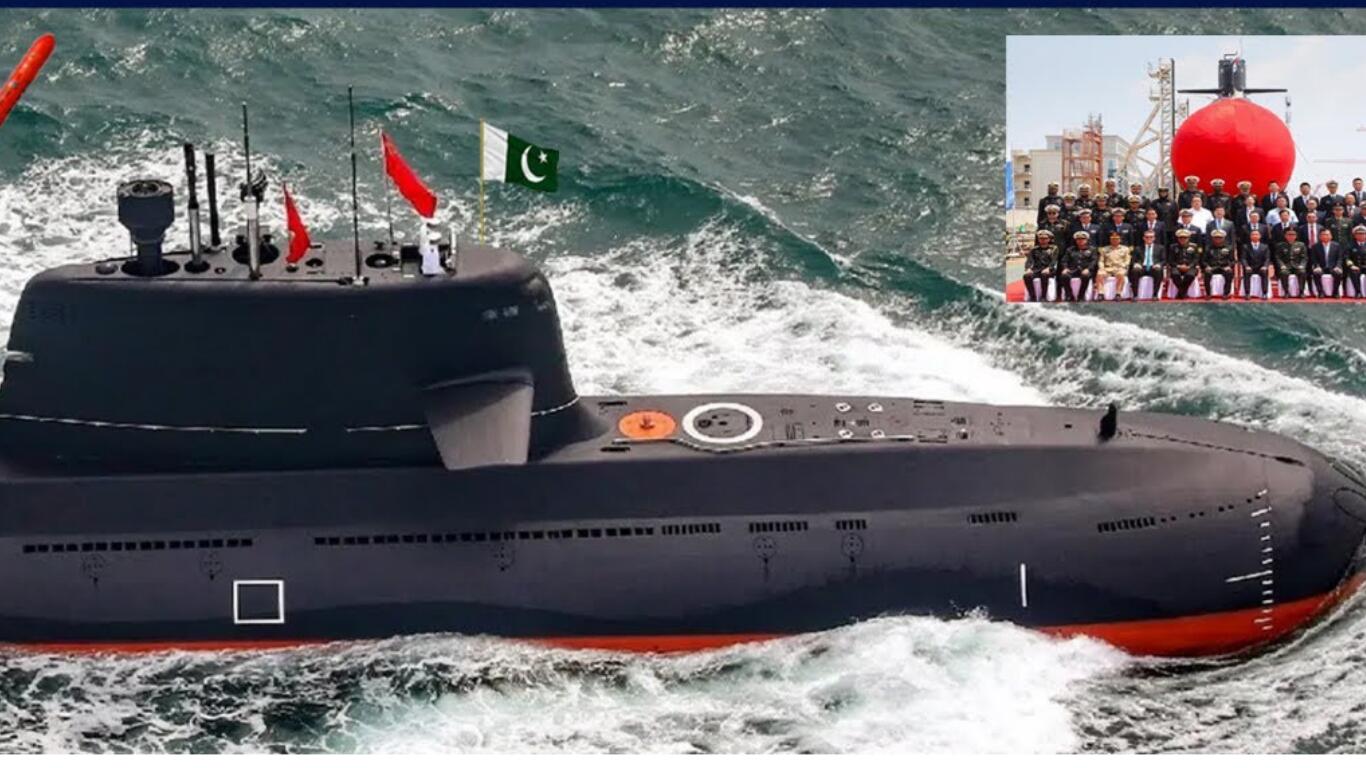
Pakistan’s new Hangor-class submarines are being sold as a symbol of maritime renewal. The reality is far less flattering. The programme entrenches a parallel military-commercial ecosystem that thrives on secrecy, captures rents from public money, and delivers little by way of transparency or autonomy for the state. The structure of the deal, the opacity around financing, and the predictable cascade of captive side-contracts all point to a familiar pattern: platforms for the navy, profits for military-linked enterprises, and liabilities for the exchequer.

A Deal Shrouded in Secrecy

RelatedPosts

Pakistan’s Proxy War Faces a Setback as Delhi Terror Plot is Crushed, 18 Weapons Seized

Ahmadis in Pakistan: From Faith to Marginalisation Under Law and Society

Ahmadis in Pakistan: From Faith to Marginalisation Under Law and Society

Load More

In 2015, Islamabad signed a $4–5 billion contract with China Shipbuilding & Offshore International Co. (CSOC) for eight Hangor-class submarines. Four boats are being built in Wuhan, with the remaining four to be assembled at Karachi Shipyard & Engineering Works (KS&EW) under a technology transfer arrangement. In August 2025, China launched the third submarine, a milestone in what is billed as Pakistan’s largest-ever naval acquisition.

Yet, the financial terms remain undisclosed. No details of interest rates, grace periods, sovereign guarantees, or repayment schedules have been tabled before Parliament or shared with the public. This silence is not accidental. It is a form of leverage, allowing Beijing to embed control through billing schedules, spare-part pipelines, and maintenance dependencies.

Who Really Benefits?

Large naval procurements generate an ecosystem of side-agreements—logistics, training, spares, upgrades. In Pakistan, these invariably gravitate to military-run entities: KS&EW for construction, the National Logistics Cell (NLC) for transport, Bahria Foundation for maritime and technical services, and navy-run schools for training packages.

Bahria Foundation, a Navy-run conglomerate, now straddles education, security services, dredging, ship-breaking, real estate, and even bakeries. It is overseen by the Chief of Naval Staff and enjoys tax privileges and minimal oversight. NLC, meanwhile, has formal contracts with Chinese operators at Gwadar Port, underlining how military-linked businesses monopolise logistics around strategic infrastructure. These entities are the real winners of defence procurements—not the state, not the ordinary taxpayer, and certainly not the struggling Pakistani economy.

Debt and Dependence

Pakistan’s total public debt stood at Rs 76 trillion by March 2025—of which $87.4 billion was external. Successive IMF bailouts have kept reserves afloat, but at painful cost: subsidy cuts, tariff hikes, and austerity borne by ordinary citizens. The IMF props up Pakistan’s reserves; Hangor payments drain them.

The submarines are not a one-off expense. They come tethered to decades of dollar-denominated spares, refits, and software upgrades—all channels controlled by Beijing. Thailand’s failed S26T deal, delayed for years over Chinese engine issues, offers a cautionary precedent. Pakistan’s Hangor boats use the same family of engines.

History Repeats

Pakistan’s submarine deals have long been fertile ground for graft. The Agosta-90B scandal of the 1990s exposed kickbacks and commissions channelled through middlemen into foreign accounts. Today, the same dynamics persist. Middlemen, retired officers, and contractors remain embedded in Pakistan’s defence trade, ensuring commissions are captured while procurement files are shielded under “national security” classifications.

This system has produced what analysts describe as milbus—a military business empire that dominates Pakistan’s economy through foundations, trusts, and welfare organisations that double as conglomerates. Corruption risks are amplified when the military is both buyer and beneficiary.

Strategic Miscalculation

Supporters argue that technology transfer will build local capacity. In practice, the transfer is closer to screwdriver assembly than genuine design sovereignty. Critical subsystems—combat suites, propulsion, AIP integration—remain proprietary and under Chinese control. That means future upgrades, overhauls, and even operational availability depend on Beijing’s willingness to deliver.

Meanwhile, the Indian Navy’s anti-submarine warfare (ASW) capabilities—P-8I patrol aircraft, advanced sonars, hunter-killer submarines—are widening the capability gap. Export-standard Hangors, even with AIP, are unlikely to shift the balance in the Arabian Sea. They may add tactical depth, but at crippling strategic cost.

A Republic Held Hostage

The deeper issue is democratic accountability. A multi-billion-dollar naval programme’s financing architecture should be scrutinised, offset claims verified, and conflicts of interest addressed. Instead, Pakistan’s civilian institutions remain too brittle to demand transparency from its most powerful actor. Files vanish into secrecy silos, and the military continues to operate a “state within a state,” profiting from deals while citizens foot the bill.

For a country teetering on fiscal collapse, the Hangor deal is less about deterrence and more about dependence. It entrenches military privilege, deepens foreign debt, and leaves ordinary Pakistanis poorer.

Deeper Pockets, than Depths

The Hangor submarines will sail. The question is who they will truly serve. For now, the evidence points to a closed loop of military-run enterprises fattened by secrecy and subsidies. Pakistan’s citizens are left with austerity, while their uniformed guardians pocket profits. In the long run, the submarines may do little for Pakistan’s deterrence—but they will certainly do much for its military’s bottom line.

Until Islamabad breaks this cycle, every procurement will be less a strategic asset than a financial anchor. The Hangor deal is not just a submarine programme; it is a mirror reflecting Pakistan’s deeper malaise—where national security doubles as a business model.


(Aritra Banerjee is a Defence, Foreign Affairs & Aerospace journalist; co-author of The Indian Navy @75: Reminiscing the Voyage; and co-founder of Mission Victory India (MVI), a military-reforms think-tank. He has worked across TV, print and digital, written for Indian and international outlets, covered major security and aviation events in Europe, and reported from Kashmir’s conflict theatres. X (Twitter): @Aritrabanned.)

Tags: ChinaHangor-Class SubmarinePakistanPakistan Navy
ShareTweetSend
Previous Post

Deepika Padukone Removed from Kalki 2898 AD Sequel: Fee Hike, Crew Demands & Script Changes Spark Speculation! What’s The Real Story?

Next Post

Yasin Malik’s Explosive Claim: Did Manmohan Singh Thank Him for Meeting Hafiz Saeed?

Related Posts

Operation Sindoor exposes Pakistan false narrative, asserts India's precision strategy
Analysis

Operation Sindoor: India’s Precision Doctrine Exposes Pakistan’s False Flag Narrative at the UN

10 April 2026

In May 2026, South Asia's geopolitical and military landscape witnessed a decisive shift. India's Operation Sindoor, to avenge the...

Rare 1,000-km Rain Band Brings Storms Across India in Unusual Late-March Weather Shift; Delhi Sees Wettest March In 3 Years
Analysis

Rare 1,000-km Rain Band Brings Storms Across India in Unusual Late-March Weather Shift; Delhi Sees Wettest March In 3 Years

20 March 2026

An unusual weather phenomenon is currently unfolding across parts of India, Pakistan, and Afghanistan, bringing intense rainfall, thunderstorms, gusty...

Tibetans and Unbroken Cry of Tibet: Memory, Resistance, Weight of Silence
Analysis

Tibetans and Unbroken Cry of Tibet: Memory, Resistance, Weight of Silence

11 March 2026

March 10 is a date that Tibetans carry with them wherever they go, returning each year with a quiet...

Load More

Leave a Reply Cancel reply

Your email address will not be published. Required fields are marked *

I agree to the Terms of use and Privacy Policy.
This site is protected by reCAPTCHA and the Google Privacy Policy and Terms of Service apply.

Currently Playing

From Runways to Warships: India’s Firefighting Warrior Built for Bases & Battles| IAF | VayuShakti

From Runways to Warships: India’s Firefighting Warrior Built for Bases & Battles| IAF | VayuShakti

00:05:40

Ethanol, EVs and Solar- How India’s Energy Game Is Changing | Modi on LPG & Crude Oil | war| Hormuz

00:05:21

Truth of IRIS Dena: 8 Days That Changed Narrative | War zone Reality, Not an Indian Navy Exercise

00:08:02

300 Million Euros for SCALP: Strategic Necessity or Costly Dependency on France300

00:04:06

Tejas Mk1A: 19th aircraft coupled but Not Delivered: What Is Holding Back the IAF Induction?

00:07:21
Facebook Twitter Instagram Youtube
tfipostTfipost.com
Right Wing | News Analysis | Indian Opinion
  • About us
  • Contact Us
  • Careers
  • Brand Partnerships
  • Terms of use
  • Privacy Policy
  • Sitemap

©2026 TFI Media Private Limited

No Result
View All Result
  • Premium
  • Politics
    • Analysis
    • Opinions
    • Trending
  • Economy
    • Business
    • Finance
  • Defense
    • Defence
    • Strategy
    • Weaponry
  • Geopolitics
    • Africa
    • Americas
    • Asia Pacific
    • Europe
    • South Asia
    • West Asia
  • Knowledge
    • Culture
    • History
    • Indology
  • Law
  • Lounge
    • Books
    • Cinema
    • Food
    • Health
    • Sports
    • technology
    • Travel
    • Satire
TFIPOST हिन्दी
TFIPOST Global

©2026 TFI Media Private Limited