





















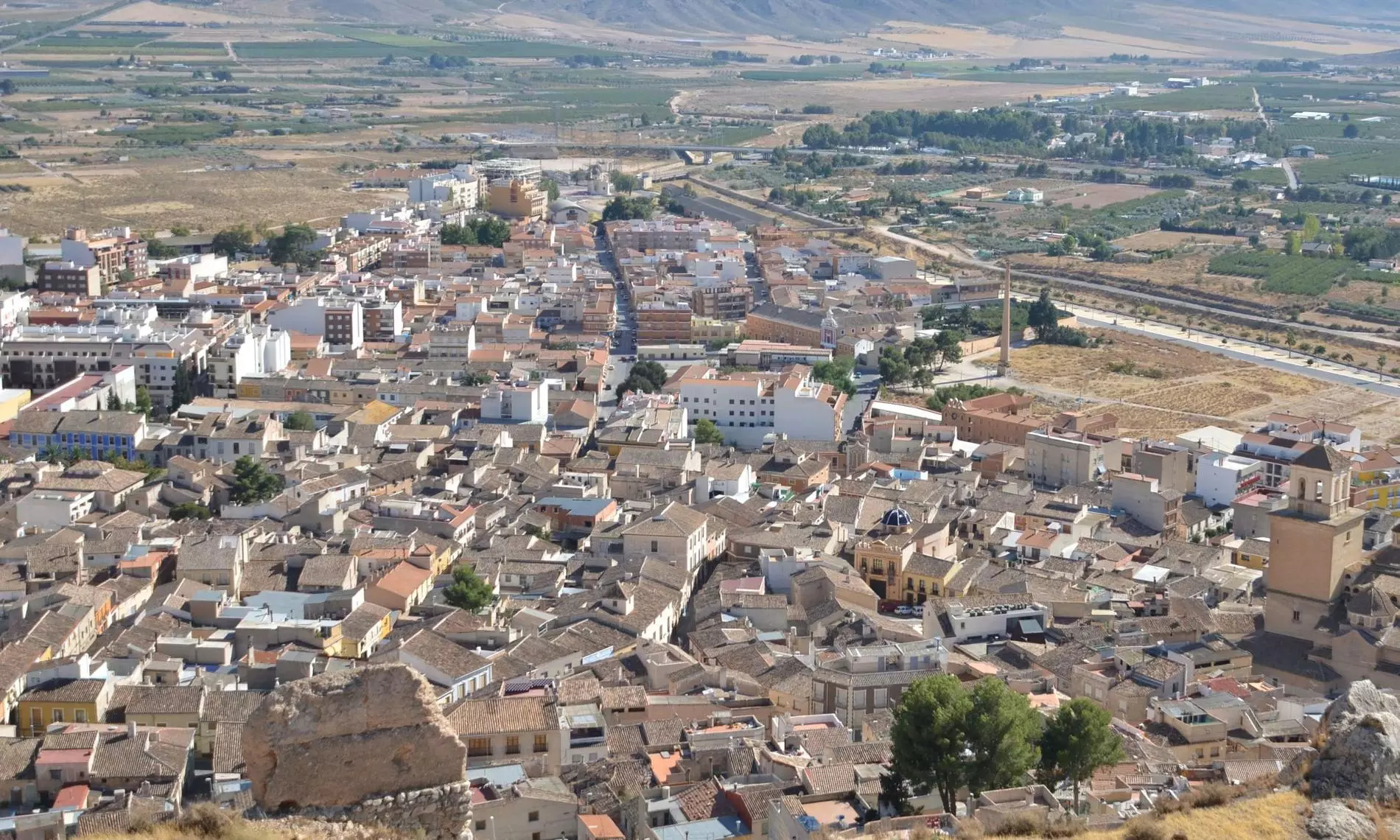
In a bold and unprecedented move, the town council of Jumilla, located in Spain’s Murcia region, has passed a motion banning the use of public spaces for the celebration of Muslim religious festivals such as Eid al-Fitr and Eid al-Adha. The decision, introduced by the conservative People’s Party (PP) and backed indirectly by the far-right Vox party, is being seen as a wake-up call for Europe especially as Western societies grapple with rapid cultural shifts amid a rising Muslim migrant population.
This marks the first such ban in Spain, and it could well set the tone for similar moves across the country and other parts of Europe.
Defending Tradition: A Step to Preserve National Identity
The council’s proposal states that municipal spaces such as gyms and civic centres cannot be used for religious, social, or cultural activities that are “alien to our identity”, unless organized directly by the local authority. While the policy applies broadly, the immediate impact will be felt by the local Muslim population, which constitutes approximately 7.5% of Jumilla’s 27,000 residents.
Supporters of the ban argue that this is not a discriminatory act but a necessary step to protect Spain’s Christian heritage and ensure that public institutions do not become tools for cultural replacement. With countries across Europe struggling to maintain cohesive national identities in the face of unregulated immigration and multicultural pressures, many see Jumilla’s move as long overdue.
Political Backing and Public Support
Although left-wing parties opposed the motion, it passed easily due to the abstention of Vox and the majority held by the People’s Party. Vox celebrated the move, declaring on social media, “Spain is and will forever be the land of Christian people.” This clear stance reflects a growing sentiment across Europe — that traditional values and identities must be safeguarded before they are diluted beyond recognition.
In Jumilla, the move is seen as a preventive measure. While Muslim festivals like Eid had previously been held peacefully in public spaces, concerns over cultural imbalance, parallel societies, and the erosion of traditional norms have prompted many to act decisively.
Conservative leaders in Spain argue that tolerance should not mean surrender, and that multiculturalism must not come at the cost of cultural integrity or social cohesion.
Muslim Groups React, but Legal Challenge Expected
Muslim community leaders, including Mounir Benjelloun Andaloussi Azhari of the Spanish Federation of Islamic Organisations, condemned the move as Islamophobic and discriminatory. They argue that such measures single out Muslims while leaving other religious groups unaffected.
However, defenders of the ban counter that the issue is not about Islam, but about preserving Spanish culture in the face of sweeping demographic change. The rising Muslim population, largely from North African nations, has prompted fears of cultural displacement, especially in small towns and cities that feel overlooked by national politics.
Legal experts have hinted at a potential challenge to the ban under Article 16 of the Spanish Constitution, which guarantees freedom of religion. But conservative voices insist that public order, identity, and local governance must take precedence, especially when cultural values are under threat.
A Broader European Trend?
This move in Jumilla echoes wider conservative pushbacks across Western Europe, where public concerns about unchecked migration, Islamisation, and national identity are growing louder. Countries like France, Denmark, and Germany have already tightened policies around religious symbols, immigration, and public displays of faith.
What sets Jumilla apart is its grassroots nature — a local council acting decisively rather than waiting for top-down directives. It reflects a new phase of awareness, where even small towns understand the urgency of cultural preservation.
The fact that Spain was under Islamic rule for over seven centuries is not lost on many, and there’s increasing determination to avoid repeating history. Critics may label it as regressive, but to many Spaniards, it is restorative — a correction of a dangerous drift toward cultural erasure.
Necessary Move to Protect Western Values
The decision by Jumilla’s town council is not just a local administrative action — it is symbolic of a larger awakening. As Western Europe faces cultural fragmentation, more communities are beginning to assert their rights to preserve their traditions, history, and faith. In doing so, they’re reclaiming a sense of identity that has been diluted in the name of tolerance and globalism.
By putting cultural integrity before political correctness, Jumilla has done what many across Europe only talk about — setting firm boundaries around what belongs in the public square and what does not. In the face of growing demographic shifts and changing cultural dynamics, Spain’s message is clear: integration must respect the host culture, not erase it.
The battle for Europe’s soul is no longer hypothetical — and Spain has taken a definitive stand before it’s too late.